Effectively managing fixed assets is crucial for maintaining accurate financial records, ensuring compliance with accounting standards, and optimizing business operations. For bookkeepers, implementing best practices in fixed asset management can lead to improved asset utilization, accurate financial reporting, and enhanced decision-making.
📌 What Are Fixed Assets?
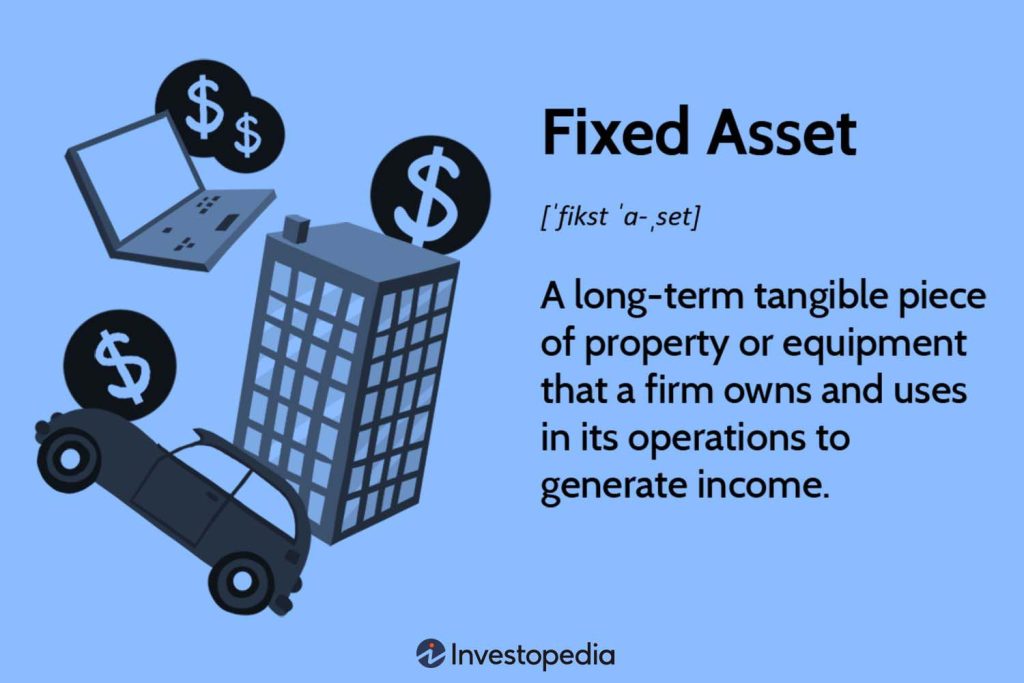
Fixed assets, also known as property, plant, and equipment (PP&E), are long-term tangible assets that a company uses in its operations to generate income. These assets are not intended for sale and typically have a useful life of more than one year. Examples include buildings, machinery, vehicles, and office equipment.
🧾 Importance of Proper Fixed Asset Management
Proper management of fixed assets ensures:
- Accurate Financial Reporting: Ensures that assets are correctly valued and depreciated, leading to accurate balance sheets and income statements.
- Compliance: Helps in adhering to accounting standards and tax regulations.
- Operational Efficiency: Facilitates optimal asset utilization and maintenance scheduling.
- Cost Savings: Prevents over-purchasing and identifies underutilized assets.
🛠️ Best Practices for Managing Fixed Assets
1. Establish Clear Asset Policies
Develop comprehensive policies that define:
- Capitalization Thresholds: Set minimum cost levels above which items are capitalized as assets.
- Depreciation Methods: Specify methods such as straight-line or declining balance.
- Asset Lifespan: Determine the useful life of different asset categories.
- Acquisition and Disposal Procedures: Outline steps for purchasing, transferring, and disposing of assets.
2. Implement Robust Asset Tracking Systems
Utilize technology to maintain accurate records:
- Asset Tagging: Assign unique identifiers like barcodes or RFID tags to each asset.
- Centralized Database: Maintain a comprehensive database with details such as acquisition date, cost, location, and condition.
- Regular Audits: Conduct periodic physical inventories to reconcile actual assets with records.
3. Monitor Asset Depreciation
Accurate depreciation is vital for financial reporting and tax purposes:
- Track Depreciation Schedules: Maintain detailed schedules that reflect the depreciation of each asset over time.
- Adjust for Impairments: Regularly assess assets for impairments and adjust their book values accordingly.
- Review Useful Lives: Periodically review and adjust the estimated useful lives of assets based on usage and condition.
4. Ensure Compliance with Accounting Standards
Adhere to relevant accounting standards and regulations:
- International Financial Reporting Standards (IFRS): Follow guidelines for asset recognition, measurement, and disclosure.
- Generally Accepted Accounting Principles (GAAP): Ensure compliance with local accounting standards applicable in your jurisdiction.
- Tax Regulations: Align asset management practices with tax laws to optimize deductions and credits.
5. Regularly Review and Update Asset Records
Keep asset records current to reflect changes:
- Update for Transfers and Disposals: Promptly record any asset transfers, disposals, or retirements.
- Reconcile with Financial Statements: Regularly compare asset records with financial statements to ensure accuracy.
- Adjust for Revaluations: Update asset values as necessary to reflect market conditions or appraisals.
📊 Utilizing Technology in Asset Management
Leverage software solutions to enhance asset management:
- Asset Management Software: Implement systems that automate tracking, depreciation calculations, and reporting.
- Integration with Financial Systems: Ensure seamless integration with accounting software for accurate financial reporting
- Mobile Access: Utilize mobile capabilities for real-time asset tracking and updates.
🧠 Training and Educating Staff
Ensure that personnel are well-equipped to manage fixed assets.
- Regular Training: Provide ongoing education on asset management policies and procedures.
- Role Clarity: Define responsibilities for asset acquisition, maintenance, and disposal.
- Promote Awareness: Encourage staff to report issues such as asset malfunctions or discrepancies promptly.
🔄 Periodic Reviews and Continuous Improvement
Regularly evaluate asset management practices:
- Performance Metrics: Monitor key performance indicators like asset utilization rates and maintenance costs.
- Feedback Mechanisms: Solicit input from stakeholders to identify areas for improvement.
- Process Optimization: Continuously refine asset management processes to enhance efficiency and effectiveness.
✅ Conclusion
Effective management of fixed assets is essential for accurate financial reporting, compliance, and operational efficiency. By implementing best practices such as establishing clear policies, utilizing technology, and ensuring regular reviews, bookkeepers can contribute significantly to the financial health and success of their organizations.