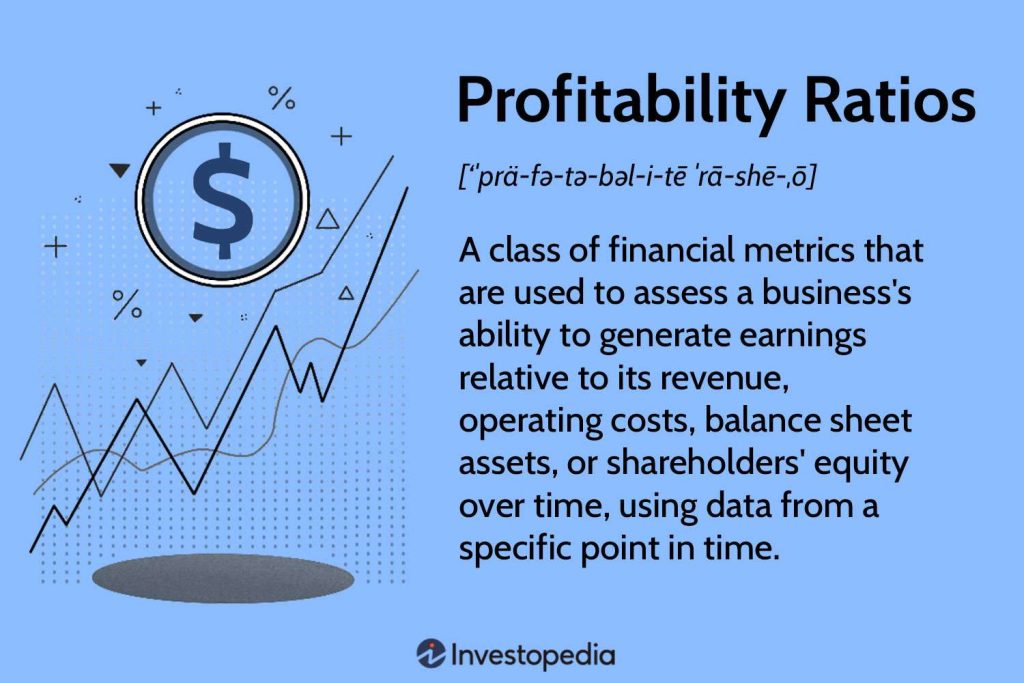
Understanding profitability is at the heart of running a successful business. While revenue is often celebrated, true success lies in how efficiently a business converts revenue into profit. Profitability analysis allows business owners to uncover insights about costs, revenue streams, and operational efficiency. From a bookkeeper’s perspective, this analysis is not just about numbers—it’s about turning financial data into actionable insights that drive growth and sustainability. Profitability Analysis 101: A Bookkeeper’s Perspective
In this article, we will explore the fundamentals of profitability analysis, key metrics to track, and how bookkeepers play a critical role in helping businesses understand their financial performance.
What is Profitability Analysis?
Profitability analysis is the process of evaluating a business’s ability to generate profit relative to its revenue, assets, and equity. It helps identify which products, services, or departments are most profitable, where costs can be reduced, and how overall financial performance can be improved.
A proper profitability analysis includes:
- Evaluating gross, operating, and net profit margins
- Analyzing cost structures
- Reviewing revenue streams and pricing strategies
- Comparing performance over time and against industry benchmarks
Why Profitability Analysis Matters
Profitability analysis provides insights that go beyond surface-level revenue figures. Here’s why it matters:
- Informed Decision-Making: Businesses can make data-driven decisions about pricing, production, and investments.
- Cost Control: Identifying high-cost areas enables businesses to optimize operations.
- Product or Service Performance: Reveals which offerings are most profitable and which may need adjustments.
- Strategic Planning: Helps forecast future profits and plan for sustainable growth.
Without proper profitability analysis, businesses may appear successful while operating inefficiently or generating low returns.
The Bookkeeper’s Role in Profitability Analysis
Bookkeepers are uniquely positioned to conduct profitability analysis because they maintain accurate and up-to-date financial records. Their role includes:
- Recording and categorizing all financial transactions
- Tracking revenue, expenses, and cost of goods sold (COGS)
- Preparing financial statements and reports
- Highlighting trends and anomalies in financial data
Accurate bookkeeping ensures that profitability analysis is based on reliable data, making the insights actionable and trustworthy.
Key Profitability Metrics Every Bookkeeper Should Track
1. Gross Profit Margin (GPM)
Gross Profit Margin measures the percentage of revenue left after deducting COGS.
Formula:GPM=RevenueRevenue−COGS×100
Why it matters:
GPM indicates how efficiently a business produces or delivers its products or services. It is essential for evaluating production costs and pricing strategies.
2. Operating Profit Margin (OPM)
Operating Profit Margin evaluates the profitability of core business operations, excluding non-operating income and expenses.
Formula:OPM=RevenueOperating Income×100
Why it matters:
OPM helps assess operational efficiency and identify areas where costs can be controlled to improve profitability.
3. Net Profit Margin (NPM)
Net Profit Margin measures the overall profitability after all expenses, taxes, and interest have been accounted for.
Formula:NPM=RevenueNet Income×100
Why it matters:
NPM reveals the true bottom line, showing how much revenue actually translates into profit.
4. Contribution Margin (CM)
Contribution Margin measures how much revenue from a product or service contributes to covering fixed costs and generating profit.
Formula:CM=Revenue−Variable Costs
Why it matters:
CM identifies high-performing products and informs decisions about pricing, promotions, or discontinuation of low-performing items.
5. Break-Even Analysis
Break-even analysis identifies the sales volume required to cover all fixed and variable costs.
Formula:Break-Even Point (Units)=Selling Price per Unit−Variable Cost per UnitFixed Costs
Why it matters:
Knowing the break-even point helps in pricing decisions, cost management, and understanding the minimum revenue required for profitability.
Steps to Conduct a Profitability Analysis
1. Maintain Accurate Financial Records
Accurate bookkeeping is the foundation of profitability analysis. Ensure all revenue, expenses, and COGS are recorded correctly and categorized consistently.
2. Generate Financial Statements
Use income statements, balance sheets, and cash flow statements to assess profitability. These reports provide the data needed for KPI calculations and trend analysis.
3. Calculate Key Profitability Metrics
Determine gross, operating, and net profit margins, contribution margins, and break-even points. Compare metrics across time periods or departments to identify patterns and opportunities.
4. Benchmark Against Industry Standards
Comparing your metrics with industry benchmarks highlights areas where your business excels or needs improvement.
5. Analyze Results and Take Action
Use insights from the analysis to optimize pricing, reduce costs, adjust product offerings, or invest in growth opportunities.
Common Challenges in Profitability Analysis
- Inaccurate bookkeeping: Misclassified or missing transactions can distort metrics.
- Overlooking indirect costs: Ignoring overhead or hidden expenses affects profitability calculations.
- Focusing only on revenue: High revenue does not always equate to high profitability.
- Not tracking KPIs regularly: Profitability analysis is most effective when conducted consistently.
Addressing these challenges ensures that profitability analysis provides actionable insights rather than misleading data.
Tools to Enhance Profitability Analysis
Bookkeepers can leverage modern tools to streamline profitability analysis:
- QuickBooks: Automates bookkeeping and generates reports for profitability metrics.
- Xero: Cloud-based accounting software with real-time dashboards.
- Wave: Free accounting software ideal for small businesses.
- Zoho Books: Tracks revenue, expenses, and inventory while generating KPI reports.
These tools reduce manual errors, save time, and provide deeper insights into financial performance.
Conclusion
Profitability analysis is a critical component of business success. From a bookkeeper’s perspective, it relies heavily on accurate, up-to-date financial records. By tracking key metrics such as gross profit margin, operating profit margin, net profit margin, contribution margin, and break-even points, businesses can gain actionable insights into costs, revenue streams, and overall efficiency.
Accurate bookkeeping allows businesses to turn raw financial data into meaningful insights, guiding strategic decisions, optimizing operations, and ensuring long-term profitability. Whether you’re a small business owner or managing a larger enterprise, mastering profitability analysis from a bookkeeper’s perspective empowers you to make smarter, data-driven decisions.