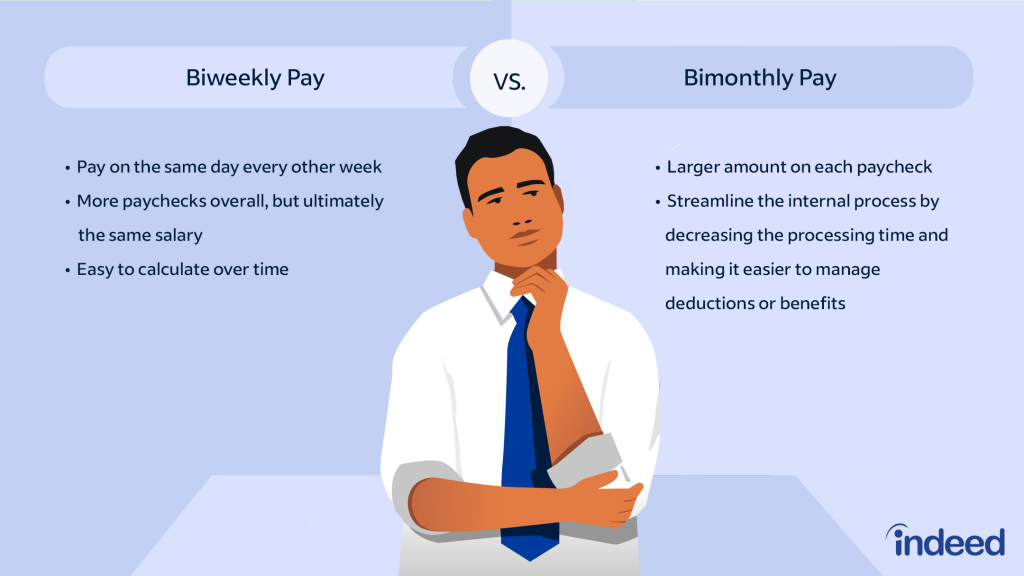
Payroll is a fundamental part of any business, but many business owners and employees don’t fully understand how the payroll cycle works. Choosing the right payroll schedule is more than just picking a pay frequency—it impacts cash flow, employee satisfaction, tax reporting, and compliance. In this guide, we’ll break down the payroll cycle, explain weekly, biweekly, and monthly pay, and highlight how businesses can optimize payroll operations. Understanding the Payroll Cycle: Weekly, Biweekly, and Monthly Pay
What Is a Payroll Cycle?
A payroll cycle is the recurring schedule that determines how often employees are paid. It defines:
- When payroll calculations are performed
- When taxes and deductions are withheld
- When net pay is distributed to employees
Understanding the payroll cycle is crucial for business owners to plan cash flow, manage labor costs, and comply with legal regulations. The choice of payroll cycle can also influence employee satisfaction, as consistent and predictable pay fosters trust and retention.
Common Payroll Cycles
There are several payroll cycles businesses can choose from. The most common include:
- Weekly Payroll
- Biweekly Payroll
- Semi-Monthly Payroll
- Monthly Payroll
Each payroll cycle has its advantages and challenges. Let’s examine weekly, biweekly, and monthly pay in detail.
Weekly Payroll
What Is Weekly Payroll?
In a weekly payroll system, employees are paid once every week, typically on the same day (e.g., every Friday). This results in 52 paychecks per year.
Advantages of Weekly Payroll:
- Employees receive paychecks frequently, which improves cash flow for hourly or lower-wage workers
- Easier to manage overtime and variable hours for hourly employees
- Reduces employee financial stress
Disadvantages of Weekly Payroll:
- Higher administrative costs due to frequent payroll processing
- More frequent tax filings may increase complexity
- Requires careful cash flow management to ensure funds are available weekly
Weekly payroll is common in industries like retail, hospitality, and construction, where employees often work variable hours.
Biweekly Payroll
What Is Biweekly Payroll?
Biweekly payroll means employees are paid every two weeks, resulting in 26 paychecks per year. Employees are typically paid on the same day of the week, every other week.
Advantages of Biweekly Payroll:
- Balances frequency with administrative efficiency
- Employees still receive pay relatively frequently
- Easier to budget for both employees and employers
Disadvantages of Biweekly Payroll:
- Two months per year may have three paychecks instead of two, which can complicate budgeting
- Overtime calculations for hourly employees may require careful tracking
Biweekly payroll is one of the most popular systems in the U.S., especially for companies with a mix of salaried and hourly employees.
Monthly Payroll
What Is Monthly Payroll?
Monthly payroll pays employees once per month, typically resulting in 12 paychecks per year. This is common in countries outside the U.S. and for salaried employees in corporate environments.
Advantages of Monthly Payroll:
- Lower administrative costs, as payroll is processed only once per month
- Easier for employers to manage cash flow over a longer period
- Simplifies reporting and accounting
Disadvantages of Monthly Payroll:
- Less frequent paychecks may cause financial stress for employees
- Requires careful planning to cover deductions and taxes in a single payment
- Less flexibility for hourly employees or overtime calculations
Monthly payroll works well for salaried employees with predictable income and minimal variable hours.
How Payroll Frequency Affects Tax Withholding and Compliance
Payroll frequency directly impacts tax withholdings, deductions, and compliance reporting. Key points include:
- Federal and State Taxes: The frequency determines how much is withheld each paycheck
- Overtime and Benefits: Hourly employees require accurate tracking based on pay frequency
- Year-End Reporting: Payroll schedules affect W-2, 1099, and other forms preparation
Payroll systems must be configured to calculate taxes correctly based on the chosen payroll cycle to ensure compliance and avoid penalties.
Choosing the Right Payroll Cycle for Your Business
Several factors influence the decision on payroll frequency:
- Cash Flow: Businesses with tight cash flow may prefer biweekly or monthly payroll to reduce weekly financial pressure
- Employee Preferences: Frequent paychecks improve employee satisfaction, especially for hourly or lower-income staff
- Administrative Capacity: Frequent payroll cycles increase administrative work, so business size and resources matter
- Regulatory Requirements: Some states have legal requirements for minimum pay frequency, so compliance is crucial
Business owners should weigh costs, employee satisfaction, and compliance requirements when selecting a payroll cycle.
How Payroll Systems Simplify Payroll Cycles
Modern payroll systems automate payroll calculations, taxes, deductions, and payments, regardless of the chosen frequency. Key features include:
- Automated Tax Calculations: Payroll systems adjust withholding based on pay frequency
- Benefits and Deductions Management: Systems prorate deductions for different payroll cycles
- Direct Deposit and Payment Distribution: Employees are paid on time, every time
- Reporting and Compliance: Automated filings reduce errors and ensure regulatory compliance
Using payroll software helps businesses handle weekly, biweekly, or monthly payroll efficiently while minimizing errors.
Common Payroll Challenges Across Different Cycles
No payroll cycle is without challenges. Common issues include:
- Miscalculating overtime for hourly employees
- Handling deductions correctly in different pay periods
- Managing cash flow for frequent payroll cycles
- Coordinating payroll across multiple states or countries
- Updating tax tables and compliance rules
Regular audits and automation help mitigate these challenges. Businesses should also provide employees with clear pay stubs to increase transparency and trust.
Best Practices for Managing Payroll Cycles
To optimize payroll, businesses should:
- Clearly communicate payroll schedules to employees
- Choose a payroll cycle that balances employee needs with administrative efficiency
- Use reliable payroll software to automate calculations and compliance
- Conduct regular payroll audits to catch errors early
- Maintain accurate employee records for deductions and benefits
- Plan cash flow in advance to cover payroll obligations
Following these practices ensures smooth payroll operations and satisfied employees.
Conclusion: Understanding the Payroll Cycle
Understanding the payroll cycle—whether weekly, biweekly, or monthly—is essential for business owners who want to maintain compliance, manage cash flow, and keep employees satisfied. Each payroll frequency has advantages and disadvantages, and the best choice depends on business size, employee needs, administrative capacity, and regulatory requirements.
Modern payroll systems make it easier than ever to manage payroll, automate calculations, and ensure timely payments. By understanding the payroll cycle and implementing best practices, businesses can reduce errors, improve employee satisfaction, and support long-term financial stability.
A well-managed payroll cycle is not just an operational necessity—it’s a key factor in employee trust, retention, and overall business success. Understanding the Payroll Cycle: Weekly, Biweekly, and Monthly Pay