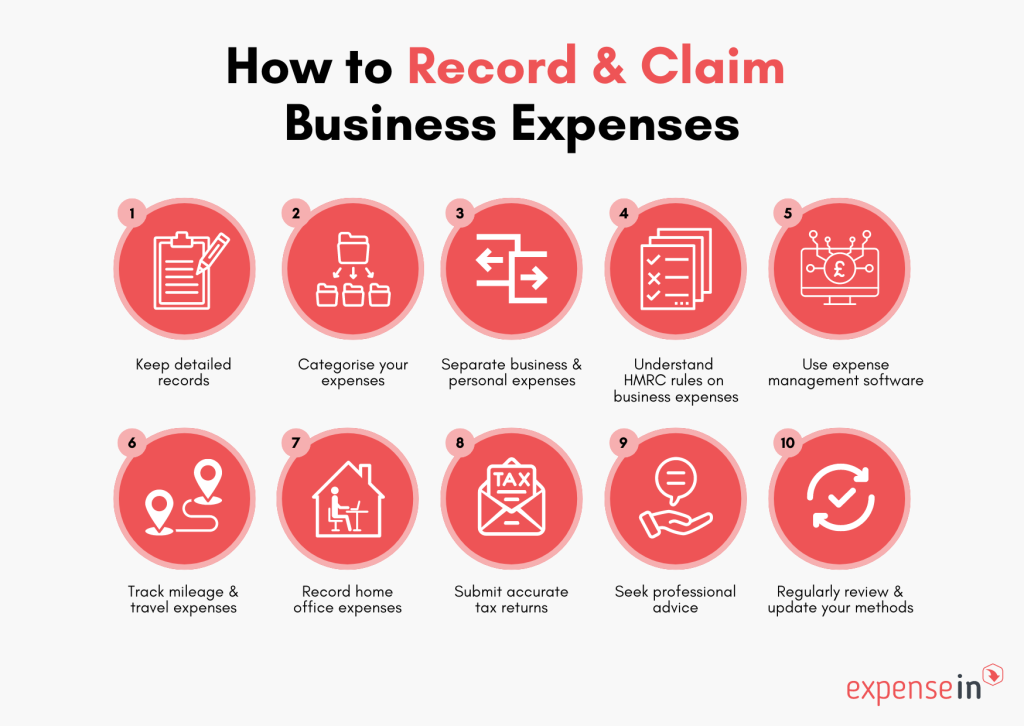
Managing business expenses correctly is one of the most important parts of maintaining accurate financial records. Whether you are a small business owner, freelancer, or entrepreneur, knowing how to record business expenses helps you track spending, prepare for tax season, improve cash flow management, and make better financial decisions. How to Record Business Expenses Step by Step
Many businesses struggle with expense tracking because receipts get lost, transactions are not categorized properly, or records are updated too late. By following a simple expense recording process, you can create an organized bookkeeping system that keeps your finances accurate and easy to manage.
This step-by-step guide explains how to record business expenses properly and develop better bookkeeping habits.
What Are Business Expenses?
Business expenses are costs that a company pays to operate, grow, and generate income. These expenses can include everyday operating costs, professional services, equipment purchases, marketing expenses, and employee-related costs.
Common examples of business expenses include:
- Office rent and utilities
- Business insurance
- Software subscriptions
- Advertising and marketing costs
- Travel expenses
- Employee wages
- Office supplies
- Professional fees
- Equipment and technology purchases
Keeping detailed records of these expenses allows business owners to understand where money is being spent and identify opportunities to reduce unnecessary costs.
Step 1: Separate Business and Personal Expenses
The first step in recording business expenses is separating business transactions from personal spending. Mixing personal and business expenses can create confusion and make bookkeeping more difficult.
Open a dedicated business bank account and use a business credit card whenever possible. This makes it easier to track company-related purchases and creates a clear financial record.
If you accidentally use personal funds for a business expense, record the transaction properly in your bookkeeping system as an owner contribution or reimbursable expense.
Step 2: Collect and Organize Expense Receipts
Every business expense should have supporting documentation. Receipts, invoices, payment confirmations, and bank statements provide proof of purchases and help maintain accurate records.
Create a system for storing receipts, either digitally or physically. Many businesses use cloud storage or bookkeeping software that allows receipts to be uploaded and attached to transactions.
Important information to keep from each receipt includes:
- Date of purchase
- Supplier or vendor name
- Amount paid
- Payment method
- Description of the expense
- Expense category
Organizing receipts regularly prevents missing information and reduces stress during tax preparation.
Step 3: Choose an Expense Tracking Method
The right expense tracking method depends on your business size and needs. Small businesses may start with spreadsheets, while growing companies often use bookkeeping software for automation.
Popular options include:
- Spreadsheet templates for simple tracking
- Accounting software for automated bookkeeping
- Receipt scanning tools for digital recordkeeping
- Professional bookkeeping services for complex businesses
A good expense tracking system should allow you to record transactions, categorize expenses, generate reports, and review financial information easily.
Step 4: Record Each Business Expense
Once you have collected your receipts and selected a tracking method, record each expense accurately.
For every transaction, enter details such as:
- Transaction date
- Expense description
- Amount
- Vendor name
- Payment account
- Expense category
For example, if you purchase office supplies for $200, your bookkeeping record should show the date, supplier, amount paid, and category as office expenses.
Recording expenses consistently ensures your financial reports accurately reflect your business activity.
Step 5: Categorize Business Expenses Correctly
Proper expense categorization is essential for accurate bookkeeping. Incorrect categories can make financial reports unreliable and may create problems when preparing tax documents.
Common business expense categories include:
Operating Expenses
These are regular costs required to run your business, such as rent, utilities, supplies, and software.
Marketing Expenses
These include advertising campaigns, website costs, promotional materials, and social media marketing.
Travel Expenses
These may include transportation, accommodation, meals during business trips, and mileage costs.
Professional Expenses
These include accounting services, legal fees, consulting costs, and other professional support.
Equipment Expenses
These cover purchases of computers, machinery, furniture, and other long-term business assets.
Review your categories regularly to ensure expenses are classified consistently.
Step 6: Reconcile Your Expense Records
Expense reconciliation involves comparing your bookkeeping records with bank statements and credit card statements to ensure everything matches.
Performing regular reconciliations helps you find:
- Missing transactions
- Duplicate entries
- Incorrect amounts
- Unrecorded expenses
- Unauthorized charges
Many businesses complete expense reconciliation monthly. Regular reviews keep financial records accurate and prevent small mistakes from becoming larger problems.
Step 7: Review and Analyze Your Expenses
Recording expenses is not only about keeping records for taxes. It also helps you understand your business performance.
Review your expenses regularly to identify:
- Areas where you are overspending
- Opportunities to reduce costs
- Changes in monthly spending patterns
- Expenses that contribute to business growth
Expense analysis helps business owners make informed decisions about budgets, investments, and future planning.
Common Mistakes When Recording Business Expenses
Many businesses make avoidable bookkeeping mistakes that affect financial accuracy. Some common errors include:
- Waiting too long to record expenses
- Losing receipts
- Using incorrect expense categories
- Mixing personal and business spending
- Failing to reconcile accounts regularly
- Not keeping digital copies of documents
Creating a consistent bookkeeping routine can help prevent these issues.
Benefits of Accurate Business Expense Recording
Proper expense tracking provides several benefits for businesses of all sizes.
Accurate records help you:
- Understand your business cash flow
- Prepare financial statements
- Claim eligible tax deductions
- Create realistic budgets
- Identify unnecessary expenses
- Make better financial decisions
Good bookkeeping gives business owners greater control over their finances and supports long-term business growth.
How Often Should You Record Business Expenses?
The best practice is to record business expenses regularly instead of waiting until the end of the month or year.
Daily or weekly expense tracking helps ensure records remain complete and accurate. Businesses with many transactions may benefit from recording expenses immediately, while smaller businesses may choose a weekly bookkeeping schedule.
Consistency is more important than frequency. The key is creating a system that you can maintain.
Final Thoughts: Create a Reliable Expense Recording System
Learning how to record business expenses step by step is essential for maintaining accurate bookkeeping records. By separating business and personal spending, organizing receipts, choosing the right tracking method, categorizing expenses correctly, and reviewing records regularly, you can build a strong financial foundation for your business.
Accurate expense bookkeeping saves time, improves financial visibility, and helps you make smarter business decisions. Whether you manage expenses yourself or work with a professional bookkeeper, a consistent recording process is one of the best investments you can make in your business success.