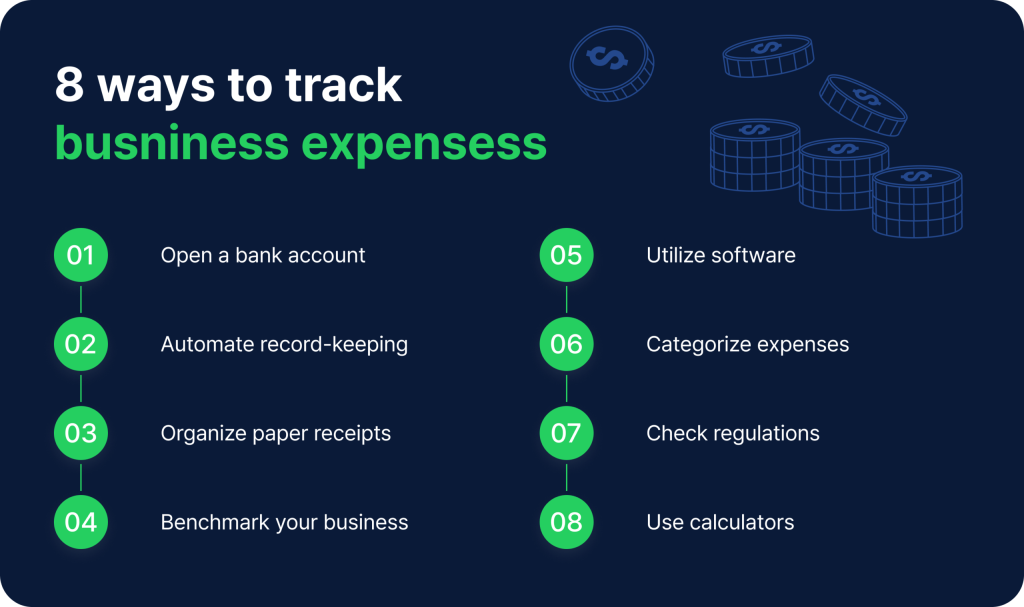
Tracking business expenses is an essential part of managing a financially healthy business. Whether you run a small online business, provide professional services, operate a retail store, or manage a growing company, keeping accurate expense records can help you understand where your money is going and make better financial decisions. How to Track Business Expenses Effectively
Effective business expense tracking also makes budgeting, cash flow management, financial reporting, and tax preparation easier. However, many business owners struggle to maintain organized records because expenses are recorded inconsistently or receipts and invoices are misplaced.
The good news is that tracking business expenses does not have to be complicated. With the right system and regular habits, you can create an efficient process that keeps your financial records accurate and accessible.
Why Is Tracking Business Expenses Important?
Business expenses represent the costs involved in operating your company. These may include rent, utilities, advertising, software subscriptions, office supplies, travel, insurance, professional fees, inventory, and employee-related expenses.
Tracking these costs helps you understand the true cost of running your business. It can also help you monitor profitability and identify areas where spending may be increasing.
Accurate expense records are particularly important when preparing financial statements and tax returns. Depending on your location and circumstances, certain legitimate business expenses may be deductible for tax purposes. Proper documentation helps support the amounts reported.
Keeping detailed records also makes it easier to identify unusual transactions and prevent accounting errors.
1. Separate Business and Personal Expenses
One of the most important rules for tracking business expenses is to keep personal and business spending separate.
Open a dedicated business bank account and, where appropriate, use a business credit or debit card for company purchases.
Separating transactions makes bookkeeping much easier because business expenses can be identified without sorting through personal purchases.
If you accidentally use a personal account for a business expense, record the transaction properly rather than leaving it out of your accounting records. The appropriate treatment can depend on your business structure and local accounting requirements.
2. Use Accounting Software
Accounting software can simplify the process of tracking business expenses.
Many accounting platforms allow you to connect your business bank accounts and automatically import transactions. You can then review transactions and assign them to appropriate expense categories.
Depending on the software, you may also be able to upload receipts, create invoices, reconcile accounts, and generate financial reports.
Choose software based on your business size, transaction volume, industry, budget, and reporting needs.
3. Create Clear Expense Categories
Organizing expenses into consistent categories makes financial information easier to understand.
Common business expense categories include:
- Rent and premises
- Utilities
- Advertising and marketing
- Office supplies
- Software subscriptions
- Insurance
- Travel
- Professional services
- Equipment
- Inventory
- Payroll and employee expenses
The exact categories you need will depend on your business.
Avoid creating an excessive number of categories. A simple, consistent chart of accounts can make bookkeeping more efficient while still providing useful financial information.
4. Keep Receipts and Supporting Documents
A transaction in your accounting software is not always enough to demonstrate what a business purchase was for. Keep receipts, invoices, bills, and other supporting documents as required by applicable recordkeeping rules.
Digital receipts can be stored electronically rather than relying on paper copies.
Consider creating folders organized by month, year, or expense category. Many accounting systems also allow you to attach receipts directly to transactions.
Good document management makes it easier to locate information when reviewing expenses or preparing tax records.
5. Record Expenses Regularly
Avoid waiting until the end of the financial year to organize your expenses.
Set aside time each week or month to review transactions, upload receipts, categorize expenses, and reconcile accounts.
Regular expense tracking reduces the risk of missing transactions and prevents a large bookkeeping backlog from developing.
The frequency of your reviews should reflect the size and transaction volume of your business. Businesses with frequent transactions may benefit from more regular reviews.
6. Reconcile Your Business Bank Accounts
Bank reconciliation is an important part of effective expense tracking. How to Track Business Expenses Effectively
Compare the transactions recorded in your accounting system with your actual bank and credit card statements. This can help identify missing transactions, duplicate entries, incorrect amounts, and bank fees.
Regular reconciliation also helps ensure that your accounting records reflect the actual financial activity of the business.
If you notice an unfamiliar transaction, investigate it promptly rather than allowing it to remain unexplained.
7. Track Recurring Expenses
Many businesses have recurring expenses that are automatically charged each month or year.
Examples include software subscriptions, insurance, website hosting, accounting services, memberships, rent, and loan repayments.
Create a list of recurring expenses and review it periodically.
Subscriptions are particularly easy to overlook. A business may continue paying for software or services that are no longer being used.
Reviewing recurring expenses can help you identify unnecessary costs and improve spending control.
8. Monitor Employee and Business Reimbursements
If employees or business owners pay for legitimate business expenses personally, establish a clear reimbursement process.
Require appropriate documentation, such as receipts and descriptions of the business purpose.
Record reimbursements correctly in your accounting system so that expenses are not accidentally recorded twice.
A consistent reimbursement policy can make expense management easier and provide clear expectations for everyone involved.
9. Use Business Credit Cards Carefully
A business credit card can make expense tracking more convenient because business purchases are consolidated into one account.
However, credit card transactions still need to be reviewed and categorized correctly.
Pay attention to transaction dates, statement balances, fees, interest charges, and supporting receipts.
Avoid using a business credit card for personal purchases. Keeping transactions strictly business-related makes reconciliation and financial reporting much simpler.
10. Review Your Expenses Every Month
Tracking expenses is only useful if you actually review the information.
At least once a month, examine your spending by category and compare it with your budget or previous periods.
Ask questions such as:
- Are operating costs increasing?
- Which expenses are higher than expected?
- Are there unnecessary subscriptions?
- Are marketing costs producing the expected results?
- Are supplier prices changing?
- Are there opportunities to reduce costs?
Regular reviews can help you identify trends before they become larger financial problems.
11. Prepare for Tax Time Throughout the Year
Organized expense tracking can make tax preparation significantly easier.
Rather than searching for receipts and financial records at the last minute, maintain your records throughout the year.
Keep documentation supporting business expenses and follow applicable tax and recordkeeping requirements.
Tax treatment varies by country, state or territory, business structure, and individual circumstances. If you are unsure whether an expense is deductible or how it should be treated, seek advice from a qualified tax professional. How to Track Business Expenses Effectively
12. Automate Where Possible
Automation can reduce repetitive bookkeeping tasks.
Depending on your accounting system, you may be able to automate bank feeds, recurring transactions, receipt capture, invoice reminders, and expense categorization.
Automation should still be combined with regular reviews. Incorrectly categorized transactions can affect financial reports, so check automated entries periodically.
The goal is to reduce unnecessary manual work while maintaining accurate records.
Final Thoughts
Learning how to track business expenses effectively is an important part of running a well-organized business. Separating personal and business finances, using accounting software, creating clear expense categories, keeping receipts, reconciling accounts, and reviewing expenses regularly can create a reliable expense tracking system.
The key is consistency. You do not need an overly complicated process. A simple system that you use regularly is often more effective than a complex system that becomes difficult to maintain.
As your business grows, consider reviewing your accounting processes and getting professional advice when your financial or tax requirements become more complicated.
By keeping accurate and organized expense records, you can gain a clearer understanding of your business costs, improve financial planning, support tax reporting, and make more informed decisions about the future of your business.