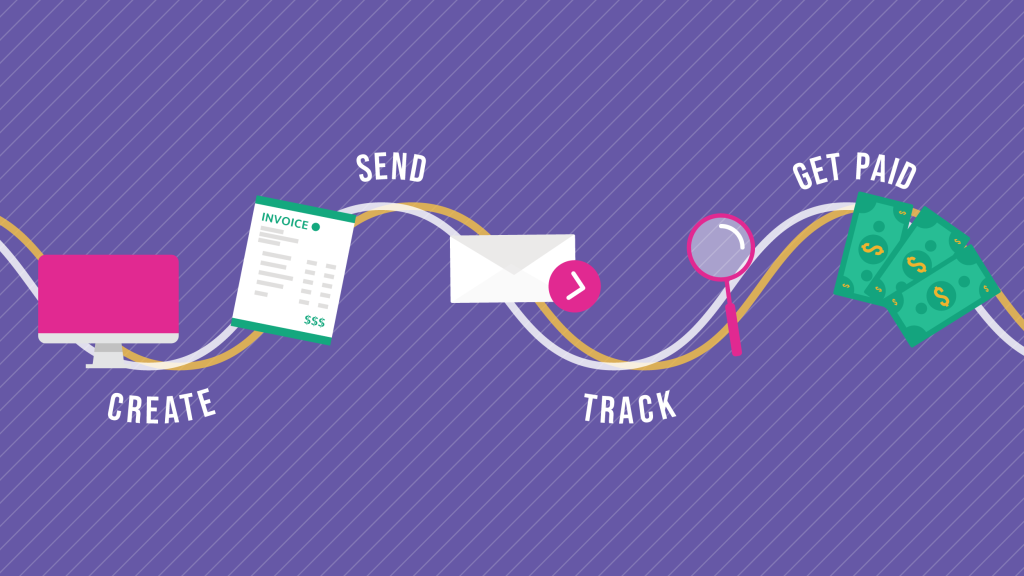
Keeping track of invoices and payments is an essential part of managing a successful small business. When invoices are missed, payments are not recorded or overdue accounts are overlooked, your cash flow can quickly become difficult to manage. Learn How to Track Invoices and Payments More Effectively with simple tips for managing overdue invoices
A simple invoice tracking system can help you stay organised, know what customers owe you and understand when money is expected to arrive in your business bank account.
The good news is that effective invoice and payment tracking does not have to be complicated. With the right processes and a consistent bookkeeping routine, you can reduce administrative work and improve visibility over your business finances.
In this guide, we explain how to track invoices and payments more effectively and keep your accounts receivable organised.
Why Is Invoice Tracking Important?
Invoices are more than requests for payment. They are important financial records that show what your business has sold, how much a customer owes and when payment is expected. Learn How to Track Invoices and Payments More Effectively with simple tips for managing overdue invoices
Without a reliable invoice tracking process, it is easy to lose track of outstanding invoices.
Effective invoice tracking can help you:
- Know which invoices have been paid
- Identify overdue invoices
- Monitor expected cash flow
- Follow up with customers on time
- Keep bookkeeping records accurate
- Reduce the risk of missed payments
- Understand your accounts receivable position
Keeping accurate records of invoices and payments can give you a clearer picture of your business’s financial position.
Create a Consistent Invoicing Process
The first step toward better payment tracking is to create a consistent invoicing process.
Decide when invoices should be created, what information they should contain and how they will be sent to customers.
Your invoices should clearly communicate important details such as the services or products provided, invoice number, amount due, payment terms and payment instructions.
A consistent process makes it easier to manage invoices as your business grows.
Give Every Invoice a Unique Number
Assigning a unique invoice number to every invoice makes tracking much easier.
You could use a simple sequential numbering system, such as INV-001, INV-002 and INV-003.
Some businesses use a year-based system, such as INV-2026-001.
Choose a format that works for your business and use it consistently.
Unique invoice numbers make it easier to identify specific invoices when communicating with customers, recording payments or reviewing your bookkeeping records.
Set Clear Payment Terms
Your customers should know when payment is expected.
Clearly state your payment terms on every invoice. Depending on your business, you may request payment immediately, within a certain number of days or according to an agreed schedule.
Clear payment terms can reduce confusion and make it easier to identify overdue invoices.
Make sure your payment instructions are also easy to understand. Include the payment methods you accept and any information customers need to complete the payment.
Keep an Invoice Register
An invoice register is a simple way to keep track of invoices.
You can maintain an invoice register using bookkeeping software, a spreadsheet or another system that suits your business.
Useful information to record includes:
- Invoice number
- Customer name
- Invoice date
- Due date
- Invoice amount
- Payment status
- Payment date
- Amount outstanding
Having this information in one place makes it easier to see which invoices are outstanding and which have been paid.
Track Payments as Soon as They Arrive
When a customer pays an invoice, record the payment promptly.
Updating your bookkeeping records regularly prevents confusion and reduces the risk of sending unnecessary payment reminders to customers who have already paid.
If your bookkeeping software connects to your business bank account, you may be able to match incoming payments with outstanding invoices automatically.
Even when using automation, review the matches to make sure the correct payment has been assigned to the correct invoice.
Review Outstanding Invoices Regularly
Do not wait until the end of the month to discover that several invoices are overdue.
Review your outstanding invoices regularly. A weekly review is often a practical routine for small businesses.
Look at which invoices are approaching their due dates and which payments are already overdue.
This gives you an opportunity to follow up with customers before outstanding balances become significantly overdue.
Follow Up on Overdue Payments
Following up on overdue invoices is an important part of managing cash flow.
A polite reminder can be enough to prompt a customer to make payment.
Your approach may depend on how long the invoice has been overdue. You might send an initial reminder shortly after the due date, followed by additional communication if payment remains outstanding.
Keep records of your communication so you know when reminders were sent and what was discussed.
If you have formal payment or credit policies, make sure your follow-up process is consistent with those policies.
Automate Your Invoice Reminders
Invoice management software can reduce the amount of manual work involved in payment tracking.
Many bookkeeping platforms allow you to schedule automatic reminders for upcoming or overdue invoices.
Automation can help ensure customers receive reminders consistently without you having to remember every follow-up date.
However, automated reminders should complement your customer service rather than replace it. For important or long-overdue accounts, a personal conversation may be more appropriate.
Monitor Your Accounts Receivable
Accounts receivable refers to money that customers owe your business.
Monitoring accounts receivable can help you understand how much money is outstanding and how quickly customers are paying.
Review your outstanding invoices regularly and look for patterns.
For example, you may notice that certain customers regularly pay late or that invoices for particular services take longer to settle.
This information can help you review your payment terms and customer payment processes.
Use Bookkeeping Software
Using bookkeeping software can make invoice and payment tracking considerably easier.
Depending on the software, you may be able to create invoices, send them electronically, record payments, connect your bank account and generate accounts receivable reports.
Software can also reduce duplicate data entry and provide a central location for your financial information.
Choose software that fits the size and complexity of your business. You do not necessarily need the most advanced system available.
Keep Your Records Organised
Effective invoice tracking also depends on good record keeping.
Keep copies of invoices, payment records and relevant customer communications in an organised system.
Use consistent file names and folders if you store documents digitally.
Having organised records makes it easier to answer customer questions, investigate payment discrepancies and provide information to your bookkeeper or accountant.
Review Your Payment Process Regularly
Your invoice and payment tracking system should evolve as your business changes.
Every few months, review your process and ask whether invoices are being sent promptly, customers are paying on time and your records are being updated accurately.
You may discover opportunities to simplify your invoicing process or automate repetitive tasks.
Small improvements can make a significant difference as your invoice volume increases.
Final Thoughts
Learning how to track invoices and payments more effectively can help small businesses maintain better control over their cash flow and financial records.
Start with a consistent invoicing process, use unique invoice numbers, establish clear payment terms and maintain an up-to-date invoice register.
Review outstanding invoices regularly and follow up promptly when payments become overdue. Where appropriate, use bookkeeping software and automated reminders to reduce administrative work.
Most importantly, make invoice and payment tracking part of your regular bookkeeping routine. By keeping your records current and knowing exactly what customers owe, you can spend less time chasing payments and more time focusing on running your business.