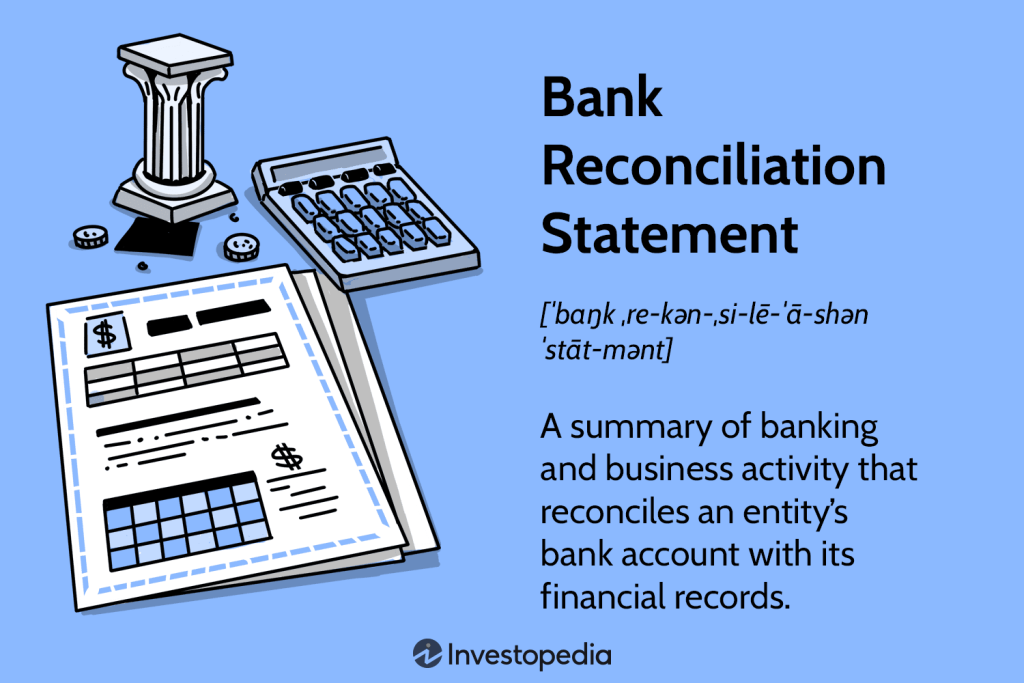
Bank reconciliation is a fundamental part of accurate bookkeeping and financial management. It involves comparing the transactions and balance in your accounting records with the transactions and balance shown on your bank statement. When these records do not match, identifying the cause of the difference is essential. 10 Common Bank Reconciliation Errors and How to Correct Them
Bank reconciliation errors can occur for many reasons, including incorrect data entry, missing transactions, duplicate payments, timing differences, and unrecorded bank fees. While some discrepancies are temporary and perfectly legitimate, others can indicate bookkeeping mistakes that need to be corrected. 10 Common Bank Reconciliation Errors and How to Correct Them
In this guide, we explore 10 common bank reconciliation errors and how to correct them, helping business owners and bookkeepers maintain accurate financial records.
What Is Bank Reconciliation?
Bank reconciliation is the process of comparing your internal accounting records with your bank statement for a specific period. The purpose is to confirm that transactions have been recorded accurately and that differences can be explained.
A successful bank reconciliation should account for legitimate differences, such as outstanding payments, while identifying errors that require correction.
Regular bank reconciliation can also help businesses monitor cash flow, identify unusual transactions, and maintain reliable financial reports.
10 Common Bank Reconciliation Errors
1. Missing Transactions
One of the most common bank reconciliation errors is failing to record a transaction in the accounting system.
For example, your bank statement may show a monthly account fee, but the fee may not have been entered into your bookkeeping software.
How to correct it
Review the bank statement for transactions that are missing from your books. Determine what each transaction represents and record it in the correct account.
Always verify the transaction before entering it to avoid creating additional errors.
2. Duplicate Transactions
Duplicate entries occur when the same payment or deposit is recorded more than once.
This can happen when transactions are manually entered after already being imported through a bank feed.
How to correct it
Compare similar transactions carefully. If the same transaction has been recorded twice, remove or reverse the duplicate according to your accounting procedures.
Do not delete an entry simply because two transactions have similar amounts. Confirm that they actually represent the same payment.
3. Incorrect Transaction Amounts
A simple data-entry mistake can create a reconciliation discrepancy. For instance, a payment of $850 may accidentally be entered as $580.
How to correct it
Compare the amount in your accounting system with the original bank transaction. If the amount is incorrect, correct the original bookkeeping entry and verify that the reconciliation now balances.
4. Incorrect Transaction Dates
Recording a transaction under the wrong date can cause it to appear in a different reconciliation period.
This is particularly common when businesses record transactions based on invoice dates rather than payment dates.
How to correct it
Check the transaction date against the bank statement and supporting documentation. Correct the date where necessary and confirm that the transaction falls within the appropriate reconciliation period.
5. Unrecorded Bank Fees
Banks may charge monthly account fees, transaction fees, merchant fees, or other charges.
If these fees are not recorded in your accounting records, your book balance may not match your bank statement.
How to correct it
Identify all bank-related charges and record them using the appropriate expense account. Make sure the amount and date match the bank statement.
6. Outstanding Payments
An outstanding payment occurs when a transaction has been recorded in your accounting system but has not yet cleared the bank.
For example, a business may record a supplier payment on Friday, while the payment does not appear on the bank statement until Monday.
How to correct it
An outstanding payment is not necessarily an error. First, check whether the transaction is genuinely pending. If it is legitimate, leave it as an outstanding reconciling item and monitor it until it clears.
If it remains outstanding for an unusually long period, investigate whether the payment was cancelled, rejected, or entered incorrectly.
7. Deposits in Transit
Deposits in transit are another common cause of differences between accounting records and bank statements.
A business may record a customer payment or deposit before the bank processes it.
How to correct it
Confirm that the deposit has been recorded correctly and that it is genuinely waiting to be processed by the bank.
If the deposit eventually appears on the bank statement, match it during the next reconciliation.
8. Bank Interest Not Recorded
Businesses may receive interest on certain bank accounts. If the interest appears on the bank statement but is missing from the accounting records, the reconciliation may not balance.
How to correct it
Record the interest income in the appropriate account using the date and amount shown on the bank statement.
Once entered correctly, the difference should be reflected in your reconciliation.
9. Unauthorised or Unrecognised Transactions
An unfamiliar transaction should never automatically be assumed to be a bookkeeping error.
It could be a legitimate payment that was forgotten, an automatic debit, a subscription, or an unauthorised transaction.
How to correct it
Investigate the transaction using receipts, invoices, payment records, and other documentation.
If the transaction cannot be identified or appears unauthorised, contact your bank and follow its procedures for investigating suspicious activity.
Do not simply delete an unexplained transaction from your accounting records.
10. Previous Reconciliation Errors
Sometimes the problem is not in the current accounting period at all. An error from a previous reconciliation can carry forward and cause future reconciliations to remain out of balance.
How to correct it
Review previous reconciliation reports and compare historical balances with bank statements.
Look for deleted transactions, incorrect adjustments, duplicate entries, or transactions that were reconciled incorrectly.
Correct the original error where appropriate rather than creating a new unexplained adjustment in the current period.
How to Prevent Bank Reconciliation Errors
Although errors can happen, businesses can reduce their frequency by establishing consistent bookkeeping procedures.
Consider the following best practices:
- Reconcile bank accounts regularly.
- Keep receipts and invoices organised.
- Review transactions before reconciling them.
- Use accounting software with reliable bank-feed functionality.
- Avoid entering the same transaction manually and automatically.
- Keep business and personal banking separate.
- Investigate unusual transactions promptly.
- Maintain supporting documentation for adjustments.
- Review previous reconciliations when discrepancies continue.
- Assign clear bookkeeping responsibilities within your business.
Regular reconciliation is particularly useful because it reduces the number of transactions that need to be reviewed at once.
Why Accurate Bank Reconciliation Matters
Accurate bank reconciliation does more than make your accounting records balance. It helps provide a clearer picture of your business’s actual cash position.
Regular reconciliation can help identify missing income, incorrect expenses, duplicate transactions, and unusual payments. It can also support more reliable financial reporting and make it easier to prepare records for tax and year-end accounting.
For business owners, accurate bookkeeping provides better information for monitoring cash flow and making financial decisions.
When Should You Perform Bank Reconciliation?
The appropriate reconciliation frequency depends on your business and transaction volume. Many businesses reconcile their bank accounts monthly, while businesses with a large number of transactions may benefit from more frequent reconciliation.
The important thing is to establish a consistent schedule.
Leaving bank reconciliation until the end of the financial year can make errors much harder to identify because you may need to investigate months of transactions at once.
Final Thoughts
Understanding common bank reconciliation errors can make the bookkeeping process more efficient and reliable. Missing transactions, duplicate entries, incorrect amounts, timing differences, bank fees, and previous reconciliation mistakes can all cause differences between your books and your bank statement.
The best approach is to investigate discrepancies systematically rather than forcing your accounts to balance with unexplained adjustments.
By reconciling your bank accounts regularly, checking transactions carefully, and maintaining good bookkeeping practices, you can keep your financial records accurate and identify potential problems sooner.
Whether you manage your bookkeeping yourself or work with a professional bookkeeper, consistent bank reconciliation is an important part of maintaining healthy and reliable business financial records.