Payroll is one of the most critical business functions. When payroll operates smoothly, employees are paid accurately and on time, tax obligations are met, and your company stays compliant with labor laws. When it fails, the consequences can include penalties, unhappy employees, and reputational damage. From Timesheet to Paycheck: How Payroll Really Works Behind the Scenes
In this step-by-step guide, we’ll explain how payroll operates, break down the full payroll process, and highlight best practices business owners can follow to ensure accuracy and compliance.
What Is Payroll and Why Is It Important?
Payroll is the process of calculating employee wages, withholding taxes and deductions, and distributing payments. It also includes reporting earnings and tax information to government authorities.
A well-managed payroll system ensures:
- Employees are paid correctly and on time
- Payroll taxes are calculated and remitted accurately
- Benefits and deductions are handled properly
- The business complies with employment regulations
- Financial records remain accurate
For business owners, understanding how payroll operates is essential for financial planning, compliance, and employee satisfaction.
Step 1: Collect Employee Information and Documentation
The payroll process begins before the first paycheck is issued. Employers must gather and maintain accurate employee information.
This typically includes:
- Full legal name and address
- Social security or tax identification number
- Bank details for direct deposit
- Tax withholding forms
- Employment contract details
- Salary or hourly wage information
- Benefits enrollment details
Accurate documentation ensures payroll calculations are correct and compliant with tax regulations. Any errors at this stage can cause ongoing payroll issues.
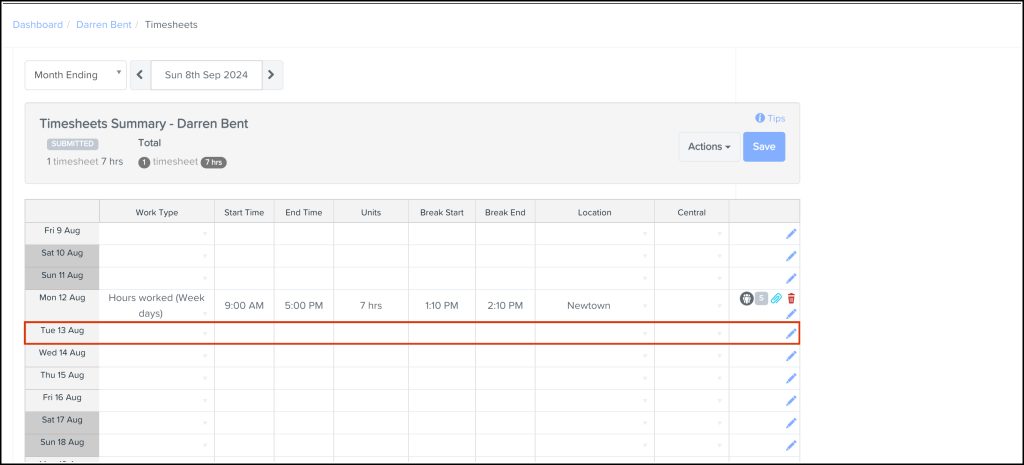
Step 2: Track Time and Attendance
For hourly employees, tracking work hours is essential. Even for salaried employees, tracking leave, overtime, and absences is necessary. From Timesheet to Paycheck: How Payroll Really Works Behind the Scenes
Common time tracking methods include:
- Manual timesheets
- Biometric clock-in systems
- Digital time tracking software
- Integrated HR and payroll platforms
Time and attendance data directly impact gross pay calculations. Overtime, paid time off (PTO), sick leave, and holiday pay must all be accounted for before payroll processing begins.
Step 3: Calculate Gross Pay
Gross pay is the total amount an employee earns before deductions.
For salaried employees:
- Annual salary ÷ number of pay periods = gross pay per period
For hourly employees:
- Hours worked × hourly rate
- Plus overtime pay where applicable
Gross pay may also include:
- Bonuses
- Commissions
- Shift differentials
- Holiday pay
Accurate gross pay calculation is the foundation of payroll operations. Errors here can affect tax withholdings and net pay.
Step 4: Calculate Payroll Deductions
After determining gross pay, payroll deductions must be applied. These deductions fall into two main categories:
1. Mandatory Deductions
- Federal income tax
- State or local income tax
- Social security contributions
- Medicare contributions
- Court-ordered wage garnishments
2. Voluntary Deductions
- Health insurance premiums
- Retirement contributions
- Life insurance
- Union dues
- Charitable donations
Each deduction must be calculated correctly according to current tax laws and employee elections. Payroll software often automates these calculations to reduce errors.
Step 5: Calculate Net Pay
Net pay is the amount employees actually receive after deductions.
Net Pay = Gross Pay – Total Deductions
This is the amount deposited into employees’ bank accounts or issued via paycheck. Providing employees with detailed pay stubs improves transparency and helps prevent disputes.
Step 6: Distribute Employee Payments
Once calculations are complete, payments are distributed.
Common payroll distribution methods include:
- Direct deposit
- Paper checks
- Payroll cards
- Digital payment platforms
Direct deposit is the most common method because it is efficient, secure, and cost-effective. Employers must ensure sufficient funds are available in company accounts before processing payroll.
Step 7: File and Pay Payroll Taxes
Payroll doesn’t end with employee payments. Employers are responsible for remitting withheld taxes to government authorities.
This includes:
- Submitting employee tax withholdings
- Paying employer payroll tax contributions
- Filing quarterly or annual payroll tax reports
- Issuing year-end tax forms to employees
Missing tax deadlines can result in significant penalties. For this reason, many business owners rely on automated payroll systems or professional payroll providers.
Step 8: Maintain Payroll Records
Record-keeping is a crucial part of payroll operations. Employers must retain payroll records for a legally required period, which varies by jurisdiction.
Payroll records typically include:
- Employee personal information
- Wage details
- Tax filings
- Timesheets
- Benefits deductions
- Payment history
Maintaining organized payroll records protects your business during audits and ensures compliance with labor regulations.
How Payroll Software Improves Payroll Operations
Modern payroll software streamlines the entire payroll process by:
- Automating wage calculations
- Updating tax tables automatically
- Generating pay stubs
- Filing payroll taxes electronically
- Integrating with accounting systems
Automation reduces human error, saves time, and enhances compliance. For growing businesses, payroll software can significantly improve operational efficiency.
Common Payroll Challenges Business Owners Face
Even with systems in place, payroll operations can present challenges:
- Misclassifying employees as contractors
- Incorrect overtime calculations
- Failing to update tax rates
- Missing filing deadlines
- Inaccurate employee data
Understanding how payroll operates helps business owners identify risks early and implement preventative controls.
Best Practices for Efficient Payroll Management
To ensure payroll runs smoothly, follow these best practices:
- Standardize payroll processes and document procedures
- Use reliable payroll software or a trusted provider
- Conduct regular payroll audits
- Stay updated on tax and labor law changes
- Separate payroll duties to reduce fraud risk
- Maintain secure data storage and backups
Proactive payroll management protects your business and builds employee trust.
How Often Should Payroll Be Processed?
Businesses typically operate payroll on one of the following schedules:
- Weekly
- Biweekly
- Semi-monthly
- Monthly
The choice depends on company size, industry standards, and local regulations. Consistency is key—employees rely on predictable pay cycles.
Why Understanding Payroll Operations Matters
As a business owner, payroll is more than just issuing paychecks. It directly impacts:
- Cash flow management
- Legal compliance
- Employee morale
- Financial reporting accuracy
- Company reputation
Even if you outsource payroll, understanding how payroll operates allows you to monitor performance, ensure compliance, and make informed financial decisions.
Final Thoughts: Mastering How Payroll Operates
Payroll is a structured, multi-step process that requires accuracy, compliance, and organization. From collecting employee information to filing taxes and maintaining records, every step plays a crucial role in keeping your business legally compliant and financially stable.
By understanding how payroll operates, implementing reliable systems, and following best practices, business owners can transform payroll from a stressful obligation into a streamlined operational strength.
If managed correctly, payroll not only ensures employees are paid accurately and on time—it also strengthens the financial foundation of your business. From Timesheet to Paycheck: How Payroll Really Works Behind the Scenes