Navigating the world of payroll can be daunting for newcomers. Whether you’re an employee eager to understand your payslip or an employer setting up payroll for the first time, grasping the fundamentals is essential. This guide breaks down the key components of payroll, ensuring you’re informed and confident in managing or reviewing your pay. Understanding Payroll: A Beginner’s Guide to Getting Paid Right
What Is Payroll?
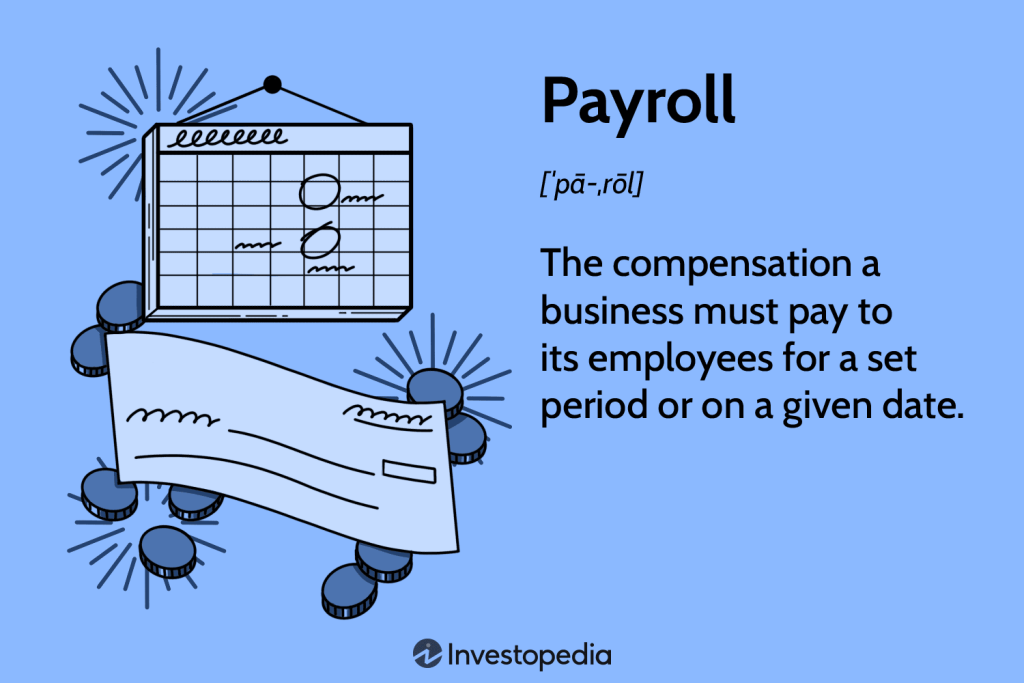
Payroll refers to the process by which employers compensate their employees for work performed. It encompasses calculating wages, withholding taxes and other deductions, and distributing payments. In Australia, payroll also involves ensuring compliance with the Fair Work Act, superannuation obligations, and other statutory requirements. Understanding Payroll: A Beginner’s Guide to Getting Paid Right
Key Components of Payroll
1. Gross Pay vs. Net Pay
- Gross Pay: The total earnings before any deductions.
- Net Pay: The amount employees take home after deductions.
Understanding the difference ensures clarity when reviewing payslips.
2. Deductions
Common deductions in Australia include:
- Tax Withholding: Based on the individual’s income and tax file number.
- Superannuation: Employers must contribute a minimum percentage of an employee’s earnings to their super fund.
- Other Deductions: Such as union fees, salary sacrifice arrangements, or garnishments.
3. Pay Periods
Employees can be paid weekly, fortnightly, or monthly. It’s crucial to establish a consistent pay schedule to ensure timely payments.
The Payroll Process: Step-by-Step
- Collect Employee Information: Gather details like tax file numbers, bank account information, and superannuation fund details.
- Track Hours Worked: For hourly employees, monitor the number of hours worked.
- Calculate Gross Pay: Multiply hours worked by the hourly rate or apply the agreed-upon salary.
- Apply Deductions: Subtract taxes, superannuation, and other deductions from the gross pay.
- Distribute Payments: Pay employees via their preferred method, such as direct deposit.
- Maintain Records: Keep detailed records for compliance and future reference.
Common Payroll Mistakes to Avoid
- Misclassifying Employees: Ensure employees are correctly classified as full-time, part-time, or casual, as this affects entitlements.
- Incorrect Tax Withholding: Regularly update tax rates and ensure accurate calculations to avoid under or over-withholding.
- Neglecting Superannuation: Always meet superannuation contribution requirements to avoid penalties.
- Failing to Keep Records: Maintain accurate and up-to-date records for at least seven years, as required by Australian law.
Tools and Resources
- Payroll Software: Utilize software like Xero or MYOB to automate calculations and ensure compliance.
- Australian Taxation Office (ATO): Refer to the ATO for the latest tax rates and payroll guidelines.
- Fair Work Ombudsman: Access resources on employee rights, awards, and entitlements.
Conclusion
Understanding payroll is vital for both employers and employees. By familiarizing yourself with the components and processes involved, you can ensure accurate payments and compliance with Australian regulations. Whether you’re managing payroll for a business or reviewing your own payslip, knowledge is the key to getting paid right.