Profit margins are one of the most important indicators of a business’s financial health. They reveal how efficiently a company converts revenue into profit and highlight areas for improvement. However, understanding profit margins requires accurate financial data—something only reliable bookkeeping can provide. Without precise records, businesses risk misinterpreting their performance, making poor decisions, and missing opportunities for growth. Why Accurate Bookkeeping is the Key to Understanding Profit Margins
In this article, we’ll explore why accurate bookkeeping is crucial for understanding profit margins, the key metrics to track, and practical strategies for maximizing profitability.
The Connection Between Bookkeeping and Profit Margins
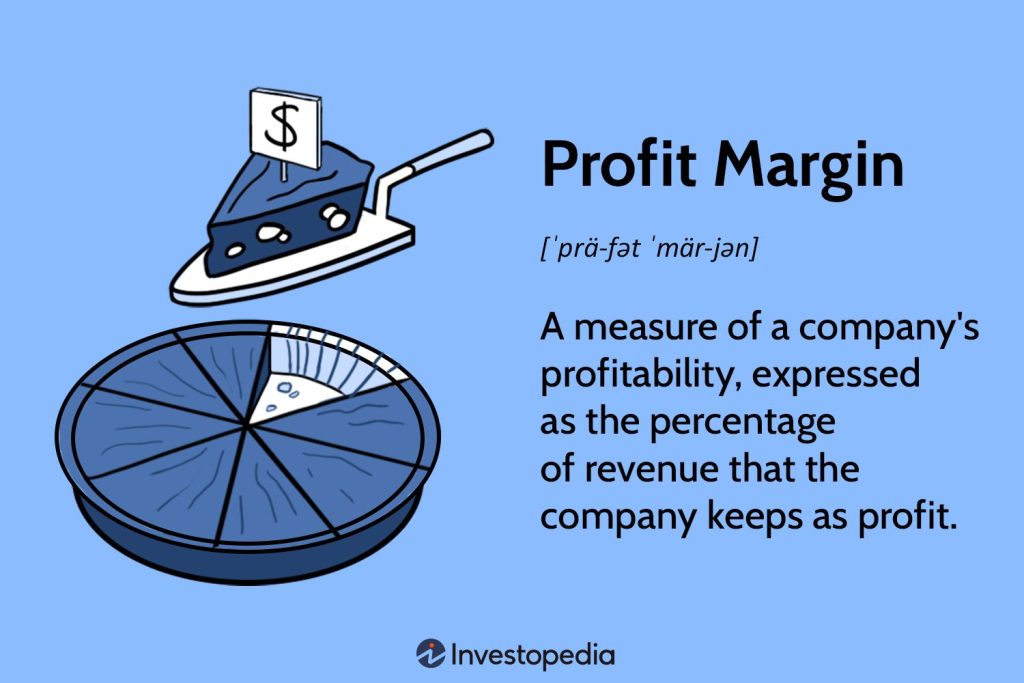
Profit margins measure how much of each dollar of revenue remains after covering costs. The main types include:
- Gross Profit Margin: Revenue minus cost of goods sold (COGS), divided by revenue
- Operating Profit Margin: Profit from core operations divided by revenue
- Net Profit Margin: Net income divided by revenue
Accurate bookkeeping ensures that revenue, costs, and expenses are recorded correctly, allowing businesses to calculate these margins reliably. Without it, businesses may overestimate profits, overlook inefficiencies, or mismanage cash flow.
Key Reasons Accurate Bookkeeping Impacts Profit Margins
1. Tracks Revenue Accurately
Bookkeeping captures every sale, payment, and transaction. Properly recording revenue ensures that your profit margins reflect true business performance.
Tips for accurate revenue tracking:
- Record all income in real-time
- Categorize revenue by product, service, or department
- Reconcile revenue with bank statements regularly
2. Monitors Costs and Expenses
Costs directly affect profit margins. Bookkeeping helps track:
- Cost of goods sold (COGS)
- Operational expenses such as rent, utilities, and salaries
- Variable costs like materials and shipping
Proper categorization allows businesses to pinpoint areas where costs can be reduced or optimized.
3. Identifies Hidden Costs
Hidden or overlooked expenses can erode profit margins. Accurate bookkeeping highlights these costs, such as:
- Supplier fees or late charges
- Maintenance and depreciation
- Small recurring subscriptions
By uncovering hidden costs, businesses can take corrective action to improve profitability.
4. Supports Pricing Strategy
Understanding your costs through bookkeeping helps set prices that maintain healthy margins. Without accurate cost data, pricing decisions may be based on guesswork, leading to thin margins or losses.
Key Profit Margin Metrics Every Business Should Track
Gross Profit Margin (GPM)
Formula:GPM=RevenueRevenue−COGS×100
GPM indicates how efficiently your business produces or delivers goods and services. Tracking it over time helps identify trends in production costs and pricing efficiency.
Operating Profit Margin (OPM)
Formula:OPM=RevenueOperating Income×100
OPM evaluates profitability from core operations, excluding taxes and non-operational expenses. It highlights operational efficiency and cost management.
Net Profit Margin (NPM)
Formula:NPM=RevenueNet Income×100
NPM shows the percentage of revenue that translates into actual profit, accounting for all expenses. This is the most comprehensive measure of profitability.
How Bookkeeping Tools Can Enhance Profit Margin Analysis
Modern bookkeeping tools simplify tracking and reporting, making it easier to understand profit margins.
1. Accounting Software
Software like QuickBooks, Xero, and Wave automates revenue and expense tracking, reconciles accounts, and generates reports for real-time profitability insights.
2. Dashboard Analytics
Many tools provide dashboards that display key metrics such as GPM, OPM, and NPM at a glance. This allows for quick identification of trends and potential issues.
3. Automated Alerts
Automated notifications can alert you to unusual expenses, overdue invoices, or low cash flow, helping maintain profitability and prevent margin erosion.
Common Bookkeeping Mistakes That Affect Profit Margins
Even minor bookkeeping errors can distort profit margin calculations. Common mistakes include:
- Mixing personal and business finances: Skews revenue and expense data
- Incorrect expense categorization: Leads to inaccurate cost allocation
- Failing to record all transactions: Missed revenue or expenses misrepresents margins
- Neglecting depreciation or amortization: Non-cash costs affect net profit
Avoiding these mistakes ensures that profit margins reflect the true financial health of your business.
Strategies for Using Bookkeeping to Improve Profit Margins
1. Conduct Regular Financial Reviews
Monthly or quarterly reviews help identify trends in revenue, costs, and margins. Regular analysis allows for timely adjustments.
2. Optimize Operational Costs
Use bookkeeping data to pinpoint high-cost areas. Negotiate supplier contracts, reduce waste, or streamline processes to increase margins.
3. Adjust Pricing When Necessary
Accurate cost data informs pricing strategies, ensuring products and services are priced to cover costs and achieve target profit margins.
4. Monitor Product or Service Performance
Analyze margins by product or service line to identify which offerings are most profitable and which may need adjustment or discontinuation.
Conclusion
Accurate bookkeeping is the foundation for understanding and optimizing profit margins. It ensures that revenue, costs, and expenses are properly recorded, allowing businesses to calculate gross, operating, and net profit margins reliably.
By tracking key metrics, uncovering hidden costs, supporting pricing decisions, and using modern bookkeeping tools, business owners can gain actionable insights into profitability. Regular reviews and careful financial management empower businesses to maintain healthy margins, make informed decisions, and achieve sustainable growth.
Understanding your true profit margins isn’t just about knowing how much money is in the bank—it’s about using accurate financial data to make smarter decisions, improve efficiency, and maximize the potential of your business. Why Accurate Bookkeeping is the Key to Understanding Profit Margins