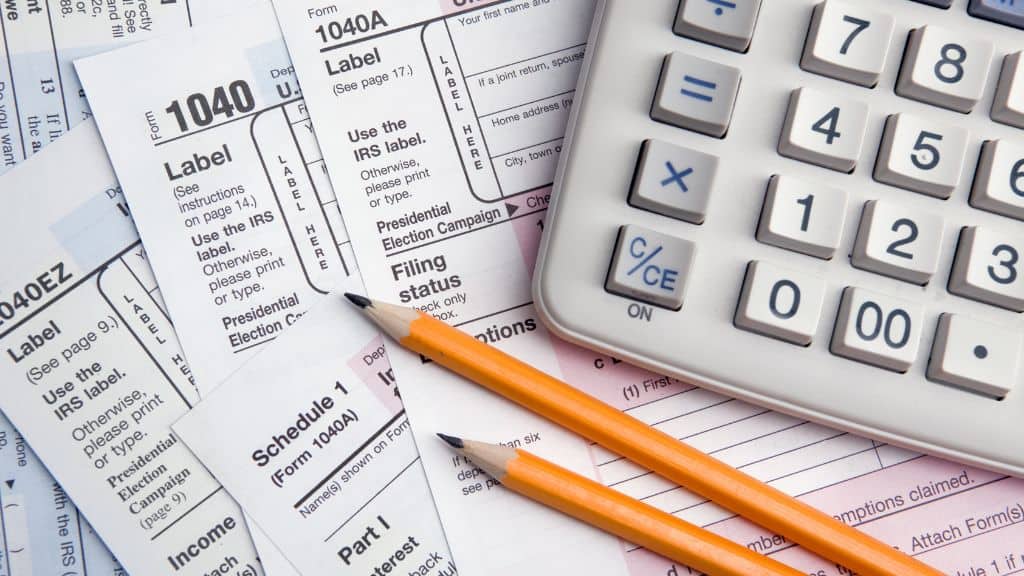
Preparing business reports for tax season is one of the most important — and most commonly delayed — responsibilities for business owners. Every year, businesses scramble at the last minute to gather financial documents, reconcile accounts, and meet tax deadlines. This rushed approach often leads to errors, missed deductions, and unnecessary stress. When Should You Start Preparing Business Reports for Tax Season?
The truth is that successful tax preparation doesn’t begin during tax season itself. It starts months earlier with proper planning, accurate record-keeping, and timely business reporting. In this article, we’ll explore when you should start preparing business reports for tax season, why early preparation matters, and how to create a reporting timeline that keeps your business compliant and confident.
Why Business Report Preparation Timing Matters
Business reports form the foundation of your tax return. These reports typically include profit and loss statements, balance sheets, cash flow reports, payroll summaries, and expense records. If these reports are inaccurate or incomplete, your tax filings will reflect those errors.
Starting early allows you to:
- Identify and correct discrepancies before deadlines
- Claim all eligible deductions and credits
- Avoid penalties caused by late or incorrect filings
- Reduce reliance on last-minute accounting support
- Make informed financial decisions before year-end
From both a compliance and financial planning perspective, timing is critical when preparing business reports for tax season.
The Ideal Timeframe to Start Preparing Business Reports
Start Year-Round, Not Just at Tax Time
The most effective businesses treat reporting as an ongoing process rather than a seasonal task. Ideally, financial data should be recorded and reviewed monthly, with reports updated regularly throughout the year.
This year-round approach ensures that when tax season arrives, most of the work is already done. You’re simply reviewing, finalising, and submitting — not starting from scratch.
Three to Six Months Before Tax Season
If year-round reporting isn’t realistic for your business, the next best option is to begin three to six months before tax season. For many businesses, this means starting in the final quarter of the financial year.
During this period, you should:
- Review income and expense records
- Reconcile bank and credit card statements
- Ensure payroll data is accurate
- Organise receipts and invoices
- Generate draft financial statements
Starting within this timeframe gives you enough breathing room to fix issues without pressure.
Key Business Reports to Prepare Before Tax Season
Profit and Loss Statement
Your profit and loss statement (also known as an income statement) shows your business’s revenue, costs, and expenses over a specific period. This report is essential for determining taxable income.
Preparing this report early allows you to:
- Spot unusually high expenses
- Identify missing income
- Adjust classifications for tax purposes
Balance Sheet
A balance sheet provides a snapshot of your business’s financial position, including assets, liabilities, and equity. Tax authorities often use this report to verify consistency across filings.
Reviewing your balance sheet early ensures that:
- Asset values are accurate
- Loans and liabilities are properly recorded
- Owner equity is correctly calculated
Cash Flow Statement
A cash flow statement tracks how money moves in and out of your business. While not always required for tax filing, it helps explain fluctuations in income and expenses that may raise red flags.
Payroll and Contractor Reports
If your business has employees or contractors, payroll summaries and payment records must be accurate and complete well before tax deadlines. Late corrections can result in penalties or compliance issues.
How Early Preparation Reduces Tax Season Stress
One of the biggest advantages of early business report preparation is stress reduction. When reports are prepared ahead of time, tax season becomes a review process rather than a crisis.
Early preparation allows you to:
- Ask informed questions of your accountant
- Plan for tax payments instead of scrambling for cash
- Avoid rushed decisions that increase audit risk
- Maintain better control over your business finances
Businesses that delay reporting often face avoidable surprises, including unexpected tax liabilities and missing documentation.
A Month-by-Month Guide to Business Report Preparation
6 Months Before Tax Season
- Review bookkeeping processes
- Address backlog in data entry
- Reconcile major accounts
3–4 Months Before Tax Season
- Generate draft financial reports
- Review expense categories
- Confirm payroll and contractor data
1–2 Months Before Tax Season
- Finalise profit and loss statements
- Review balance sheet accuracy
- Identify potential deductions
Tax Season
- Submit final reports to your accountant or tax preparer
- Respond promptly to questions or clarification requests
- File taxes with confidence and accuracy
Common Mistakes Businesses Make When Preparing Reports Too Late
Waiting until tax season to prepare business reports often leads to:
- Incomplete or missing financial records
- Misclassified expenses
- Overstated or understated income
- Missed deductions
- Increased risk of audits or penalties
Late preparation also limits your ability to implement tax-saving strategies, as many opportunities must be addressed before the financial year ends.
How Technology Can Help You Prepare Earlier
Modern accounting software makes it easier than ever to prepare business reports ahead of tax season. Cloud-based tools allow real-time tracking of income, expenses, and financial performance.
Using the right tools can help you:
- Automate report generation
- Reduce manual errors
- Maintain organised digital records
- Share data easily with your accountant
Technology doesn’t replace professional advice, but it significantly improves accuracy and efficiency.
Final Thoughts: When Should You Start Preparing Business Reports for Tax Season?
The best time to start preparing business reports for tax season is as early as possible. Ideally, reporting should happen consistently throughout the year. At a minimum, businesses should begin serious preparation three to six months before tax season.
Early preparation leads to better accuracy, fewer surprises, and greater peace of mind. Instead of dreading tax season, you’ll approach it with clarity, control, and confidence — and that’s a competitive advantage every business can benefit from.