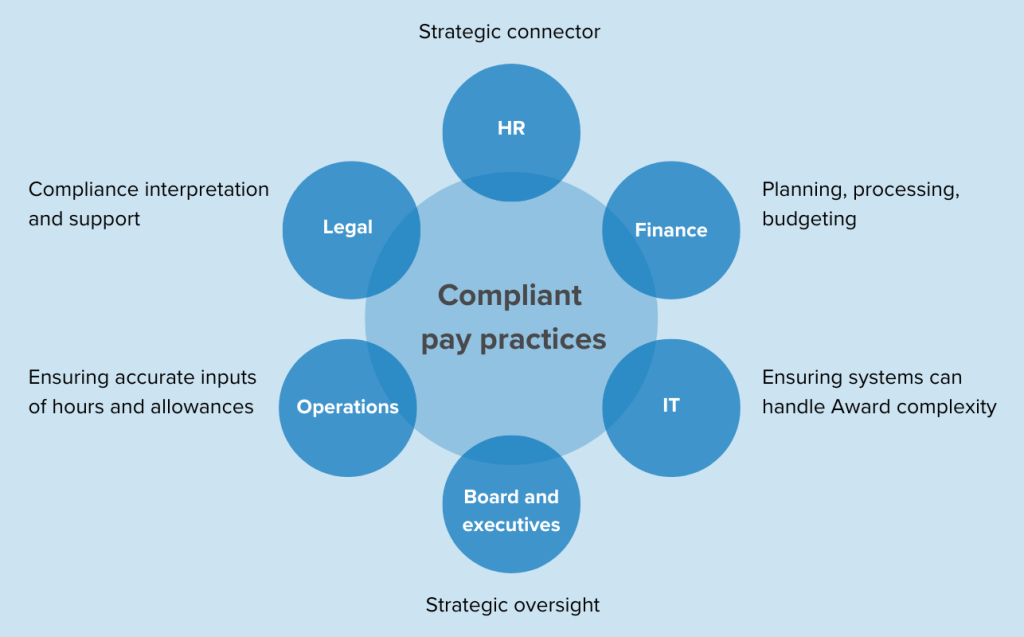
Payroll is more than just processing paychecks—it is a key component of labor law compliance. Employers are legally obligated to pay employees accurately, withhold taxes, report earnings, and adhere to labor regulations. Failure to comply can result in fines, penalties, lawsuits, and damage to company reputation.
In this comprehensive guide, we’ll explore the role of payroll in labor law compliance, step by step, and explain how businesses can ensure their payroll processes meet legal requirements while protecting employees’ rights.
What Is Labor Law Compliance?
Labor law compliance refers to a company’s adherence to federal, state, and local employment laws. Payroll plays a central role in ensuring compliance because it governs how employees are compensated and how employers report and remit taxes.
Key areas of labor law compliance include:
- Minimum wage regulations
- Overtime pay requirements
- Employee classification (exempt vs. non-exempt)
- Paid leave and benefits
- Recordkeeping requirements
- Payroll tax reporting
Payroll processes must be designed to meet these legal obligations consistently and accurately.
How Payroll Ensures Minimum Wage Compliance
One of the most fundamental labor laws involves minimum wage. Payroll systems ensure compliance by:
- Calculating hourly wages and salaries to meet or exceed legal minimums
- Adjusting for tipped employees, if applicable
- Automatically updating payroll systems when minimum wage laws change
Failure to pay at least the minimum wage can result in legal action and fines. Payroll systems act as a safeguard by automatically flagging discrepancies.
Payroll and Overtime Compliance
The Fair Labor Standards Act (FLSA) in the U.S. requires non-exempt employees to receive overtime pay, typically at 1.5× their regular rate for hours worked beyond 40 per week. Payroll ensures compliance by:
- Tracking employee work hours accurately
- Calculating overtime pay automatically
- Including overtime in gross pay calculations
Incorrect overtime payments are one of the most common labor law violations. Using automated payroll software helps reduce errors and ensures employees are compensated correctly.
Employee Classification and Payroll
Correctly classifying employees as exempt or non-exempt is critical. Payroll ensures compliance by:
- Applying proper wage and overtime rules
- Adjusting benefits eligibility and deductions
- Maintaining accurate payroll records to support classification decisions
Misclassification can lead to wage disputes, back pay claims, and penalties from labor authorities. Payroll systems help track hours and earnings to support accurate employee classification.
Paid Leave and Benefits Compliance
Labor laws govern paid leave, such as:
- Sick leave
- Family and medical leave
- Vacation and personal leave
- Holiday pay
Payroll integrates leave tracking with wage calculations to ensure employees are paid correctly during leave periods. It also applies benefits deductions in compliance with labor regulations. Proper payroll management ensures that employees receive entitled leave without violating labor laws.
Payroll Tax Compliance
Payroll is central to tax compliance, which is closely tied to labor law adherence. Employers must:
- Withhold federal, state, and local taxes from employee paychecks
- Remit employer-side payroll taxes
- File quarterly and annual payroll tax reports
- Issue year-end tax forms, such as W-2s or 1099s
Noncompliance with payroll tax laws can result in significant penalties, interest, and audits. Payroll systems automate tax calculations and reporting to minimize errors and maintain compliance.
Recordkeeping and Documentation
Labor laws require employers to maintain accurate payroll records, often for 3–7 years, depending on the jurisdiction. Payroll supports compliance by:
- Storing employee data securely
- Tracking hours worked and wages paid
- Documenting benefits and deductions
- Maintaining tax filings and year-end reports
Accurate recordkeeping protects businesses in audits, wage disputes, and legal proceedings. Payroll systems create audit-ready reports to demonstrate compliance with labor laws.
Handling Multi-State and International Compliance
Businesses operating in multiple states or countries face additional labor law requirements. Payroll plays a key role in:
- Applying state-specific minimum wage and overtime rules
- Calculating multi-state or international taxes correctly
- Complying with local labor regulations, including paid leave and benefits
Automated payroll systems with multi-jurisdiction support help businesses manage complex compliance requirements efficiently.
Common Payroll Errors That Lead to Labor Law Violations
Even minor payroll mistakes can lead to noncompliance. Common issues include:
- Miscalculating overtime pay
- Failing to apply minimum wage laws correctly
- Misclassifying employees as contractors or exempt staff
- Incorrectly applying deductions or benefits
- Delayed or inaccurate tax remittances
Proactive payroll audits and reliable payroll software are essential to prevent these violations.
Best Practices for Payroll Compliance
To ensure payroll supports labor law compliance, businesses should follow these best practices:
- Use automated payroll systems: Reduce manual errors and ensure calculations are accurate.
- Maintain accurate employee records: Track hours, pay rates, benefits, and deductions.
- Stay updated on labor laws: Monitor federal, state, and local regulations to avoid noncompliance.
- Conduct regular audits: Identify discrepancies before they become legal issues.
- Train HR and payroll staff: Ensure employees understand labor law requirements and payroll procedures.
- Integrate payroll with HR systems: Streamline leave tracking, benefits management, and employee classification.
The Strategic Role of Payroll in Labor Law Compliance
Beyond avoiding fines, compliant payroll operations help businesses:
- Build employee trust and satisfaction
- Maintain a positive employer reputation
- Support fair compensation and workplace equity
- Streamline audits and inspections
- Reduce administrative burdens and operational risks
Well-managed payroll is a strategic tool that protects both employees and employers.
Conclusion
The role of payroll in labor law compliance is critical. Payroll ensures employees are paid accurately, overtime and leave are calculated correctly, taxes are withheld and filed properly, and records are maintained according to legal requirements.
Businesses that invest in reliable payroll systems, maintain accurate records, and follow best practices reduce the risk of violations, enhance employee satisfaction, and protect their reputation. Understanding payroll as a compliance tool—not just a payment process—is essential for sustainable business operations.
By integrating payroll with HR and compliance systems, companies can stay up to date with labor law changes, automate calculations, and maintain an audit-ready payroll process that meets all legal requirements.
Efficient and compliant payroll operations are a cornerstone of responsible business management and contribute directly to long-term organizational success.