Every successful business runs on numbers, but those numbers don’t manage themselves. Behind every invoice sent, every bill paid, and every profit earned is a system that keeps everything organised—this is bookkeeping. Behind the Numbers: What Bookkeeping Is All About
Behind the numbers: what bookkeeping is all about is more than just tracking money. It is about understanding how financial data tells the story of your business. Without bookkeeping, those numbers are just scattered figures. With it, they become a clear roadmap for decision-making, growth, and financial stability.
In this article, we’ll explore what bookkeeping really involves, why it matters, and how it helps businesses turn raw financial data into meaningful insight.
What Is Bookkeeping?
Bookkeeping is the process of recording, organising, and maintaining all financial transactions within a business. It ensures that every financial movement is accurately documented and categorised.
These transactions typically include:
- Sales and income
- Business expenses
- Supplier invoices
- Customer payments
- Payroll and wages
- Bank deposits and withdrawals
In simple terms, bookkeeping is the system that keeps financial information structured and accessible. It forms the foundation for understanding how a business is performing financially.
Without bookkeeping, there is no reliable way to measure profit, track expenses, or plan for the future.
Behind the Numbers: What Bookkeeping Really Does
While bookkeeping may appear to be about data entry, it actually plays a much deeper role in business operations.
1. It Organises Financial Chaos
Every business generates financial activity daily. Without structure, this quickly becomes overwhelming.
Bookkeeping brings order by:
- Categorising transactions
- Recording financial data consistently
- Keeping documents organised
- Ensuring nothing is missed
This organisation turns financial chaos into a structured system that can be understood and analysed.
2. It Tells the Story of Your Business
Every number in your books represents a part of your business story. Sales show growth, expenses reveal priorities, and cash flow reflects stability.
Bookkeeping helps you understand:
- How your business earns money
- Where your money is going
- Which areas are profitable
- What financial patterns are emerging
Instead of guessing, you get a clear narrative of your business performance.
3. It Supports Financial Decision-Making
Business decisions should never be made blindly. Bookkeeping provides the data needed to make informed choices.
With accurate financial records, you can:
- Decide when to invest or expand
- Identify areas to reduce costs
- Set realistic pricing strategies
- Plan budgets effectively
Good bookkeeping turns financial uncertainty into confidence.
The Importance of Bookkeeping in Business
Bookkeeping is essential for businesses of all sizes, from freelancers to large corporations. It is not just about compliance—it is about control and insight.
1. Financial Clarity
Bookkeeping gives you a clear view of your financial position at any time. You can see exactly how much money is available, what is owed, and what is coming in.
2. Cash Flow Management
Cash flow is critical to business survival. Bookkeeping helps track timing differences between income and expenses, ensuring you always know your cash position.
3. Profit Tracking
Without bookkeeping, it is impossible to know whether your business is actually profitable. Accurate records show whether revenue exceeds expenses.
4. Tax Compliance
Bookkeeping ensures that all financial records are ready for tax reporting. This reduces errors, penalties, and stress during tax season.
Key Components of Bookkeeping
To understand bookkeeping fully, it is important to break it down into its core components.
Recording Transactions
Every financial activity is recorded in chronological order. This includes all income and expenses.
Categorising Expenses
Transactions are grouped into categories such as rent, utilities, wages, and supplies. This helps identify spending patterns.
Managing Invoices
Bookkeepers track invoices issued to customers and ensure payments are received on time.
Bank Reconciliation
This process compares business records with bank statements to ensure accuracy and detect discrepancies.
Financial Reporting
Bookkeeping data is used to create reports such as profit and loss statements and balance sheets.
How Bookkeeping Impacts Business Growth
Bookkeeping is not just about maintaining records—it plays a major role in growth and expansion.
1. Identifying Opportunities
Financial data reveals which parts of your business are performing well, helping you focus on growth areas.
2. Controlling Costs
By tracking expenses, you can identify unnecessary spending and improve efficiency.
3. Supporting Investment Decisions
Investors and lenders rely on financial records to assess business health. Good bookkeeping improves credibility.
4. Strategic Planning
Historical financial data helps businesses forecast future performance and set achievable goals.
Common Bookkeeping Mistakes
Even with the best intentions, many businesses make bookkeeping errors that affect financial clarity.
1. Irregular Updates
Failing to update records regularly leads to incomplete or inaccurate financial data.
2. Mixing Personal and Business Finances
This creates confusion and makes it difficult to track true business performance.
3. Ignoring Small Transactions
Small expenses add up over time and can significantly affect financial accuracy.
4. Poor Record Organisation
Disorganised records make it difficult to retrieve important financial information when needed.
Manual vs Digital Bookkeeping
Bookkeeping has evolved significantly with modern technology.
Manual Bookkeeping
This traditional method involves spreadsheets or handwritten records. While simple, it is time-consuming and prone to errors.
Digital Bookkeeping
Modern accounting software has transformed bookkeeping into an automated and efficient process.
Benefits include:
- Real-time financial updates
- Automated transaction tracking
- Cloud-based storage
- Easy reporting tools
- Reduced risk of errors
Digital bookkeeping provides better accuracy and faster access to financial insights.
The Role of a Bookkeeper
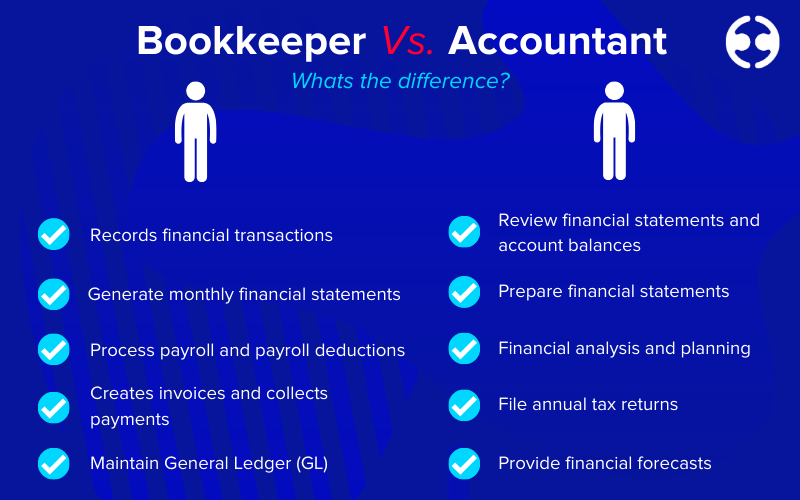
A bookkeeper is responsible for maintaining accurate financial records and ensuring the business remains organised.
Their responsibilities include:
- Recording transactions
- Managing accounts payable and receivable
- Reconciling bank statements
- Preparing financial reports
- Supporting tax preparation
A skilled bookkeeper ensures that business owners always have reliable financial data.
Why Bookkeeping Matters More Than You Think
Many business owners underestimate bookkeeping because it operates behind the scenes. However, its impact is significant.
Without bookkeeping:
- Financial decisions are based on guesswork
- Cash flow problems go unnoticed
- Tax compliance becomes difficult
- Growth opportunities are missed
With bookkeeping:
- Financial clarity improves
- Business performance becomes measurable
- Decision-making becomes data-driven
- Long-term stability increases
The difference is fundamental to business success.
How to Improve Your Bookkeeping
Improving bookkeeping does not require complex systems. It requires consistency and organisation.
Best practices include:
- Recording transactions regularly
- Using reliable accounting software
- Keeping business and personal finances separate
- Reconciling accounts frequently
- Organising receipts and invoices
Small improvements in bookkeeping habits can lead to major financial benefits.
Conclusion
Behind the numbers: what bookkeeping is all about reveals that bookkeeping is far more than data entry. It is the foundation of financial understanding, business control, and strategic growth.
Every number recorded tells a story about your business—its performance, its challenges, and its opportunities. Without bookkeeping, that story remains unclear. With it, you gain full visibility and control.
Bookkeeping transforms financial chaos into clarity, helping businesses make smarter decisions, improve cash flow, and build a strong foundation for long-term success. It is not just an administrative task—it is a critical business tool that every organisation needs to succeed.