Managing business expenses effectively is essential for maintaining accurate financial records, controlling costs, and improving overall profitability. However, many small business owners struggle with tracking expenses because they do not have a clear system in place.
Learning how to create an expense tracking system from scratch allows you to organize financial information, monitor spending habits, prepare for tax obligations, and make smarter business decisions. A well-designed expense tracking process does not need to be complicated. With the right steps, any business can build a simple and effective system.
This guide explains how to create an expense tracking system from the ground up, including choosing the right tools, organizing expense categories, recording transactions, and maintaining accurate records.
Why You Need an Expense Tracking System
An expense tracking system is a structured method for recording, organizing, and reviewing business expenses. It provides a clear picture of where your money is going and helps you understand your company’s financial performance.
Without an organized expense tracking system, businesses may experience:
- Lost receipts
- Incorrect financial reports
- Poor cash flow management
- Missed tax deductions
- Difficulty identifying unnecessary spending
A reliable expense tracking process helps business owners maintain control over finances and plan for future growth.
Step 1: Define Your Expense Tracking Goals
Before creating your expense tracking system, determine what you want it to achieve. Every business has different financial needs, so your system should be designed around your goals.
Consider whether you want to:
- Monitor monthly spending
- Reduce unnecessary costs
- Prepare for tax reporting
- Track project expenses
- Improve budgeting
- Analyze profitability
Understanding your goals will help you choose the right tracking method and create a system that works for your business.
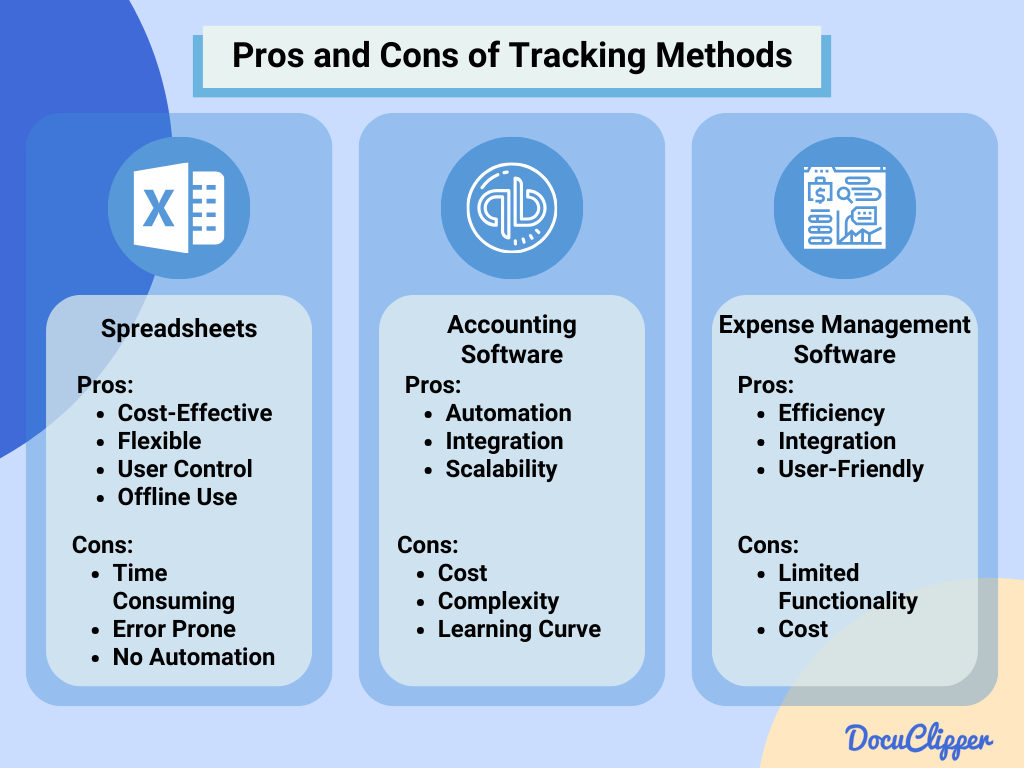
Step 2: Choose an Expense Tracking Method
The next step is choosing how you will record and manage expenses. The best method depends on the size of your business, the number of transactions, and your bookkeeping requirements.
Common expense tracking methods include:
Spreadsheet-Based Tracking
A spreadsheet is a simple option for freelancers and small businesses with fewer transactions. It allows you to manually record expenses and create basic reports.
Advantages include:
- Low cost
- Easy customization
- Simple setup
However, spreadsheets require regular updates and can become difficult to manage as your business grows.
Bookkeeping Software
Accounting and bookkeeping software provides automation and advanced features for managing expenses.
Benefits include:
- Automatic transaction imports
- Expense categorization
- Receipt storage
- Financial reporting
- Bank reconciliation tools
Software solutions can save time and reduce manual bookkeeping errors.
Professional Bookkeeping Services
Some businesses choose to work with professional bookkeepers who manage expense tracking, reporting, and financial organization.
This option can be helpful for businesses with complex transactions or limited time.
Step 3: Create Expense Categories
Organizing expenses into clear categories makes your bookkeeping system easier to manage. Proper categorization helps you understand spending patterns and creates more accurate financial reports.
Common business expense categories include:
Office Expenses
Examples include:
- Office supplies
- Furniture
- Printing costs
- Workspace expenses
Marketing Expenses
Examples include:
- Advertising campaigns
- Website costs
- Social media promotions
- Marketing tools
Software and Technology Expenses
Examples include:
- Accounting software
- Business applications
- Website hosting
- Cloud storage
Travel Expenses
Examples include:
- Business transportation
- Accommodation
- Mileage
- Travel-related costs
Professional Services
Examples include:
- Accounting fees
- Legal services
- Consulting expenses
Creating consistent categories makes it easier to review and analyze business spending.
Step 4: Set Up a Receipt Management System
Receipts are important documents that support your expense records. A good receipt management system ensures you can quickly find proof of purchases when needed.
Choose a method that works for your business:
- Digital receipt storage
- Cloud-based folders
- Receipt scanning applications
- Physical filing systems
For every receipt, record important details such as:
- Date of purchase
- Supplier name
- Amount paid
- Expense category
- Business purpose
Keeping receipts organized protects your business and improves bookkeeping accuracy.
Step 5: Record Expenses Consistently
Consistency is one of the most important parts of expense tracking. Create a routine for entering expenses regularly instead of waiting until the end of the month.
For each transaction, record:
- Transaction date
- Description
- Amount
- Payment method
- Expense category
- Receipt attachment
Regular updates prevent missing information and make financial reporting easier.
Step 6: Separate Business and Personal Expenses
One of the biggest mistakes business owners make is mixing personal and business spending. This can create confusion and make bookkeeping more difficult.
To avoid this problem:
- Open a separate business bank account
- Use business payment methods
- Avoid personal purchases through business accounts
- Clearly record owner payments or reimbursements
Separating expenses creates cleaner financial records and simplifies reporting.
Step 7: Review Expenses Regularly
Creating an expense tracking system is not just about recording transactions. Reviewing expenses helps you understand your financial position and identify improvement opportunities.
Review your expenses:
Weekly
Check recent transactions, organize receipts, and confirm that expenses are recorded correctly.
Monthly
Analyze spending patterns, compare expenses against budgets, and review financial reports.
Annually
Evaluate long-term spending trends and prepare records for tax and financial planning.
Regular reviews help you maintain control over business finances.
Step 8: Automate Your Expense Tracking Process
Automation can make expense management faster and more accurate. Many bookkeeping tools can automatically import transactions, categorize expenses, and store receipts.
Automation benefits include:
- Less manual data entry
- Fewer bookkeeping mistakes
- Faster financial reporting
- Better organization
As your business grows, automation can help you manage increasing numbers of transactions.
Common Expense Tracking Mistakes to Avoid
When building an expense tracking system, avoid these common mistakes:
- Failing to record expenses regularly
- Losing receipts
- Creating too many unnecessary categories
- Mixing personal and business expenses
- Ignoring small purchases
- Not reviewing expense reports
A simple, consistent system is usually more effective than a complicated one that is difficult to maintain.
Benefits of Creating an Expense Tracking System
A well-organized expense tracking system provides several advantages, including:
Improved Financial Awareness
You can clearly see where your business money is being spent.
Better Budget Control
Expense tracking helps you create realistic budgets and manage costs.
Easier Tax Preparation
Accurate records make it easier to prepare financial information during tax periods.
Smarter Business Decisions
Reliable expense data helps you make informed decisions about investments, hiring, and growth.
Final Thoughts: Build a System That Works for Your Business
Learning how to create an expense tracking system from scratch is an important step toward better financial management. By choosing the right tracking method, organizing expenses, storing receipts, recording transactions consistently, and reviewing spending regularly, you can build a reliable bookkeeping foundation.
A successful expense tracking system does not need to be complicated. The most effective systems are simple, consistent, and designed around your business needs. With the right approach, you can improve financial accuracy, control expenses, and create a clearer path toward business growth.