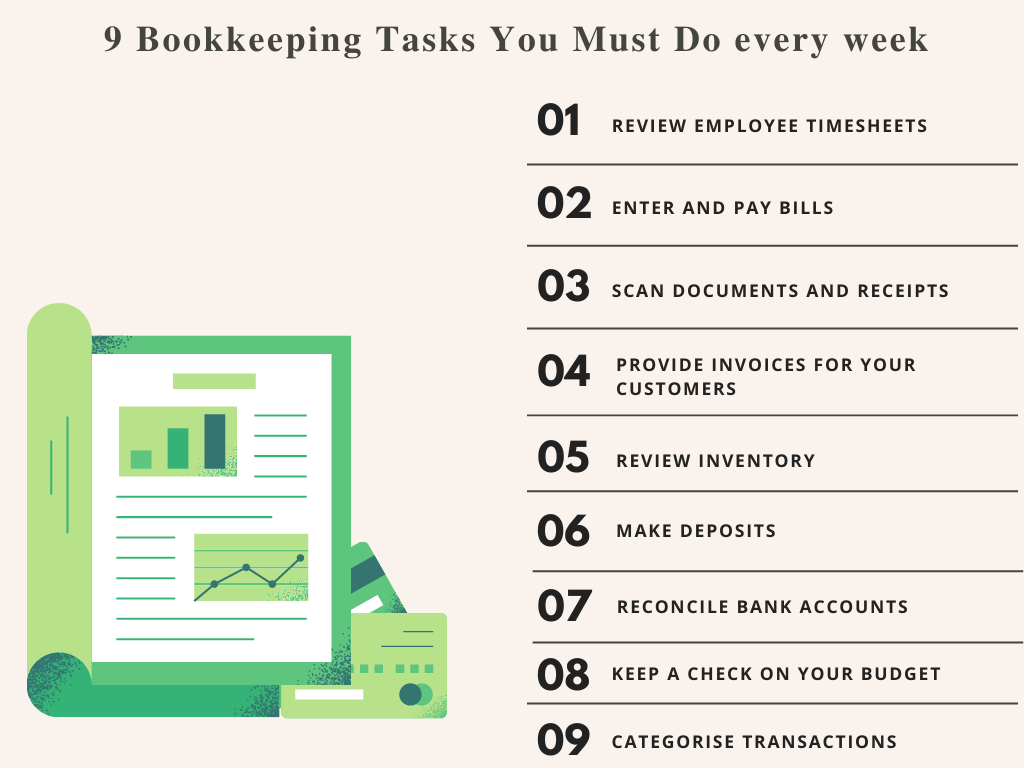
Bookkeeping is the backbone of financial management for any business, freelancer, or individual managing multiple income streams. However, starting bookkeeping can feel overwhelming if you don’t know where to begin. By taking a structured approach, using the right tools, and following best practices, you can set up a bookkeeping system that is accurate, reliable, and stress-free.
This practical guide to starting bookkeeping the right way covers everything beginners need to know—from understanding bookkeeping basics to organizing transactions and maintaining accurate records.
Why Starting Bookkeeping the Right Way Matters
Many beginners make the mistake of jumping into bookkeeping without preparation. Starting incorrectly can lead to errors, lost receipts, missed income, or complicated tax filings.
Proper bookkeeping:
- Tracks income and expenses accurately
- Helps maintain cash flow and profitability
- Simplifies tax reporting
- Prevents errors and financial stress
- Provides insight for business decisions
By starting the right way, you save time, reduce mistakes, and build a system that can grow with your business.
Step 1: Understand the Basics of Bookkeeping
Before you start, it’s crucial to understand what bookkeeping entails. At its core, bookkeeping is the process of recording and organizing financial transactions.
Key bookkeeping concepts include:
- Income: Money your business or personal accounts receive
- Expenses: Money spent to operate or maintain your business
- Assets: Resources you own (cash, equipment, inventory)
- Liabilities: Debts or financial obligations
- Equity: Owner’s share of the business
Understanding these basics will make the next steps much easier and ensure your system is accurate from day one.
Step 2: Separate Personal and Business Finances
One of the most important steps when starting bookkeeping is separating personal and business finances. Mixing accounts makes tracking income and expenses confusing and complicates tax reporting.
How to Separate Finances:
- Open a dedicated business bank account
- Use separate credit or debit cards for business expenses
- Avoid paying business expenses from personal accounts
This separation ensures clarity, accuracy, and professionalism in your bookkeeping system.
Step 3: Choose Your Bookkeeping Method
Before recording transactions, decide on a bookkeeping method:
Cash Basis Accounting
- Records income and expenses when money actually changes hands
- Simpler and easier for beginners
- Common for freelancers and small businesses
Accrual Basis Accounting
- Records income and expenses when they are earned or incurred, regardless of payment timing
- Provides a more accurate financial picture
- Requires more advanced record-keeping
Most beginners start with cash basis accounting, which is easier to manage and understand.
Step 4: Select the Right Tools and Software
Having the right tools makes starting bookkeeping much simpler. You can start manually or with software.
Manual Methods
- Spreadsheets in Excel or Google Sheets
- Paper journals and ledgers
- Low-cost, but time-consuming and prone to errors
Bookkeeping Software
- QuickBooks, Xero, and Wave are popular options
- Automatically track transactions, categorize expenses, and generate reports
- Cloud-based software allows for backups and remote access
For beginners, software is recommended because it reduces errors, automates tasks, and scales as your business grows.
Step 5: Set Up a Chart of Accounts
A chart of accounts is the backbone of a bookkeeping system. It’s a structured list of financial categories to organize transactions.
Common categories include:
- Income (sales, service revenue)
- Expenses (rent, utilities, marketing, supplies)
- Assets (cash, inventory, equipment)
- Liabilities (loans, credit cards)
- Equity (owner’s investment, retained earnings)
Most bookkeeping software provides default charts of accounts you can customize for your business.
Step 6: Record Transactions Consistently
Consistent transaction recording is critical when starting bookkeeping the right way. Set a routine for entering transactions daily or weekly.
Transactions to record include:
- Sales and income
- Business expenses
- Bills and invoices
- Payments received or made
Accurate and consistent recording ensures that financial reports reflect your true financial position and makes tax preparation easier.
Step 7: Organize Financial Documents
A strong bookkeeping system depends on organized financial documentation. Keep track of all relevant records, such as:
- Receipts
- Invoices
- Bank statements
- Credit card statements
- Tax documents
Digital storage is highly recommended. Scan and store documents in cloud folders with clear labels (e.g., “Expenses_Jan2026”) for easy access and backup.
Step 8: Reconcile Accounts Regularly
Reconciling accounts involves matching your bookkeeping records with bank and credit card statements to ensure accuracy.
Steps for reconciliation:
- Compare your recorded transactions with statements
- Identify missing or duplicate entries
- Correct errors immediately
Monthly reconciliation is essential to maintain accuracy and trust in your bookkeeping system.
Step 9: Review Financial Reports
Bookkeeping provides valuable insights into your business or personal finances through reports. Key reports to review include:
- Profit and Loss Statement (Income Statement): Shows income, expenses, and net profit
- Balance Sheet: Shows assets, liabilities, and equity
- Cash Flow Statement: Shows cash inflows and outflows
Regularly reviewing reports helps you monitor financial health, control costs, and make informed decisions.
Step 10: Maintain and Update Your Bookkeeping System
Starting bookkeeping the right way isn’t a one-time task. Regular maintenance ensures your system remains accurate and useful.
Best practices:
- Update transactions consistently
- Review and adjust the chart of accounts as your business grows
- Back up digital records regularly
- Stay compliant with tax regulations
A well-maintained system prevents financial chaos and provides clarity for decision-making.
Common Beginner Mistakes to Avoid
Even when starting the right way, beginners often make mistakes. Avoid these pitfalls:
- Mixing personal and business finances
- Inconsistent transaction recording
- Skipping account reconciliation
- Poorly organized receipts and invoices
- Overlooking financial reports
By avoiding these mistakes, you can keep your bookkeeping accurate and stress-free.
Final Thoughts: Start Bookkeeping the Right Way Today
Starting bookkeeping the right way sets the foundation for financial clarity and business success. By understanding basic concepts, separating finances, choosing the right tools, and maintaining organized records, you can manage your money confidently and efficiently.
To summarize, starting bookkeeping the right way involves:
- Understanding bookkeeping basics
- Separating personal and business finances
- Choosing a bookkeeping method
- Selecting tools and software
- Setting up a chart of accounts
- Recording transactions consistently
- Organizing financial documents
- Reconciling accounts regularly
- Reviewing financial reports
- Maintaining and updating your system
Bookkeeping doesn’t have to be intimidating. Follow this practical guide, stay consistent, and you’ll have a reliable system that supports informed decisions, financial control, and long-term success.