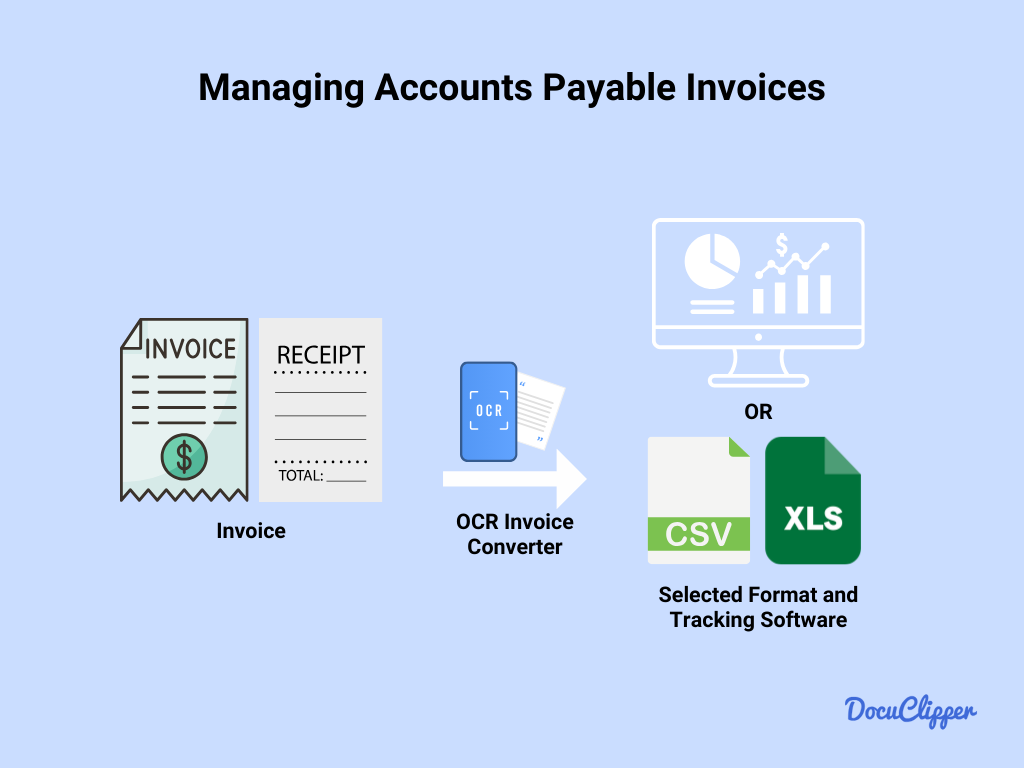
Financial reporting has always been a core responsibility of bookkeepers, but the way it is done has changed dramatically in recent years. Manual spreadsheets and time-consuming calculations are being replaced by smart accounting systems and automation tools. Automating Financial Reports: How Modern Bookkeepers Save Time
Understanding automating financial reports: how modern bookkeepers save time is essential for businesses that want faster insights, improved accuracy, and more efficient financial management. Automation is not about replacing bookkeepers—it is about enhancing their ability to produce reliable financial reports in less time.
This article explores how modern bookkeepers use automation to streamline financial reporting and improve overall efficiency.
What Is Financial Report Automation?
Financial report automation refers to the use of accounting software and digital tools to automatically generate financial reports with minimal manual input.
Instead of manually compiling data, bookkeepers can now:
- Pull real-time transaction data from bank feeds
- Automatically categorise expenses and income
- Generate profit and loss statements instantly
- Create balance sheets and cash flow reports on demand
This shift allows bookkeepers to focus more on analysis and accuracy rather than repetitive data entry tasks.
Why Automation Matters in Bookkeeping
Automation is transforming bookkeeping because it solves some of the biggest challenges in financial reporting:
- Time-consuming manual data entry
- Human error in calculations
- Delayed reporting cycles
- Inconsistent data formatting
- Difficulty handling large volumes of transactions
By automating financial reports, bookkeepers can produce faster, more accurate insights that help businesses make better decisions.
1. Automated Data Entry Through Bank Feeds
One of the most powerful automation features used by modern bookkeepers is bank feeds. These allow financial transactions to flow directly from bank accounts into accounting software.
This eliminates the need for manual entry of:
- Income transactions
- Business expenses
- Bank charges
- Transfers between accounts
Bookkeepers simply review and categorise transactions, saving significant time and reducing the risk of errors.
2. Smart Transaction Categorisation
Modern accounting systems use rules and machine learning to automatically categorise transactions based on historical data.
For example:
- Recurring supplier payments are automatically assigned to the correct expense category
- Regular income sources are recognised and categorised consistently
- Utility bills and subscriptions are grouped correctly
Bookkeepers set up and refine these rules, allowing the system to learn and improve over time.
This automation reduces repetitive work and ensures consistency in financial reporting.
3. Real-Time Financial Reporting
In traditional bookkeeping, financial reports were often generated monthly or quarterly. With automation, reports can now be generated in real time.
Bookkeepers can instantly produce:
- Profit and loss statements
- Balance sheets
- Cash flow reports
- Expense summaries
This allows business owners to see their financial position at any moment, rather than waiting for end-of-period reports.
Real-time reporting improves decision-making and financial visibility.
4. Automated Bank Reconciliation
Bank reconciliation is a critical bookkeeping task, and automation has significantly improved its efficiency.
Accounting software can:
- Match bank transactions with accounting records automatically
- Highlight unmatched or missing entries
- Suggest possible matches for review
Bookkeepers then verify and approve these matches, reducing manual effort while maintaining accuracy.
This process saves hours of work each month and ensures financial records remain accurate.
5. Invoice and Billing Automation
Modern bookkeeping systems also automate invoicing and billing processes.
Bookkeepers can:
- Generate invoices automatically from sales records
- Send recurring invoices for subscription-based services
- Track unpaid invoices and send reminders
- Record payments automatically when received
This improves cash flow management and reduces the administrative burden of manual invoicing.
6. Payroll Automation and Reporting
Payroll is another area where automation saves significant time. Bookkeepers use payroll systems to:
- Automatically calculate wages and tax deductions
- Generate payslips
- Submit payroll reports to tax authorities
- Track employee leave and benefits
Automated payroll reduces the risk of compliance errors and ensures employees are paid accurately and on time.
7. Cloud-Based Accounting Systems
Cloud accounting platforms are at the centre of financial report automation. Tools such as Xero, QuickBooks, and MYOB allow bookkeepers to access financial data anytime, anywhere.
Cloud systems provide:
- Automatic software updates
- Secure data storage
- Real-time collaboration with accountants and business owners
- Integration with other business tools
This connectivity improves efficiency and ensures financial data is always up to date.
8. Automated Financial Dashboards
Modern bookkeeping software includes dashboards that visually display key financial metrics.
Bookkeepers and business owners can quickly view:
- Revenue trends
- Expense breakdowns
- Profit margins
- Cash flow status
These dashboards reduce the need for manual report creation and provide instant financial insights.
Automation makes it easier to identify trends and spot issues early.
9. Error Reduction Through Automation
One of the biggest benefits of automating financial reports is reduced human error.
Automation helps prevent:
- Typing mistakes in data entry
- Miscalculations in financial summaries
- Duplicate entries
- Missing transactions
Bookkeepers still play a critical role in reviewing and verifying data, but automation significantly reduces the risk of errors in financial reporting.
10. Faster Month-End and Year-End Closing
Closing financial periods manually can be time-consuming and complex. Automation streamlines this process by:
- Automatically updating ledgers
- Reconciling accounts in real time
- Generating financial statements instantly
- Highlighting discrepancies for review
This allows bookkeepers to close financial periods faster and with greater accuracy.
Businesses benefit from quicker reporting cycles and improved financial clarity.
11. Integration With Other Business Systems
Modern bookkeeping systems can integrate with:
- Point-of-sale systems
- E-commerce platforms
- CRM software
- Payment gateways
These integrations ensure that financial data flows automatically into accounting systems without manual input.
Bookkeepers benefit from a complete and connected financial ecosystem, reducing duplication and improving accuracy.
12. The Role of Bookkeepers in an Automated Environment
Even with automation, bookkeepers remain essential. Their role is evolving rather than disappearing.
Modern bookkeepers focus on:
- Reviewing automated entries for accuracy
- Setting up and managing automation rules
- Analysing financial reports
- Advising business owners on financial decisions
- Ensuring compliance with accounting standards
Automation handles repetitive tasks, while bookkeepers focus on oversight, interpretation, and strategy.
Benefits of Automating Financial Reports
Businesses that adopt automated financial reporting experience several benefits:
- Significant time savings
- Improved accuracy and consistency
- Faster access to financial insights
- Better cash flow management
- Reduced administrative workload
These advantages allow businesses to focus more on growth and less on manual financial processes.
Challenges of Financial Report Automation
While automation offers many benefits, it is not without challenges:
- Initial setup and configuration can be time-consuming
- Software costs may be a factor for small businesses
- Requires training and understanding of tools
- Over-reliance on automation can lead to overlooked errors
This is why bookkeepers remain essential in ensuring systems are set up correctly and monitored regularly.
Conclusion
Automating financial reports: how modern bookkeepers save time highlights the major shift in how bookkeeping is performed today. Automation has transformed traditional manual processes into fast, efficient, and highly accurate systems.
By using bank feeds, smart categorisation, cloud accounting software, and real-time reporting tools, bookkeepers can significantly reduce manual workload while improving financial accuracy.
However, automation does not replace the need for professional expertise. Bookkeepers remain essential in reviewing data, ensuring compliance, and interpreting financial results.
In today’s fast-paced business environment, automated financial reporting is not just a convenience—it is a competitive advantage that helps businesses stay informed, efficient, and financially healthy.