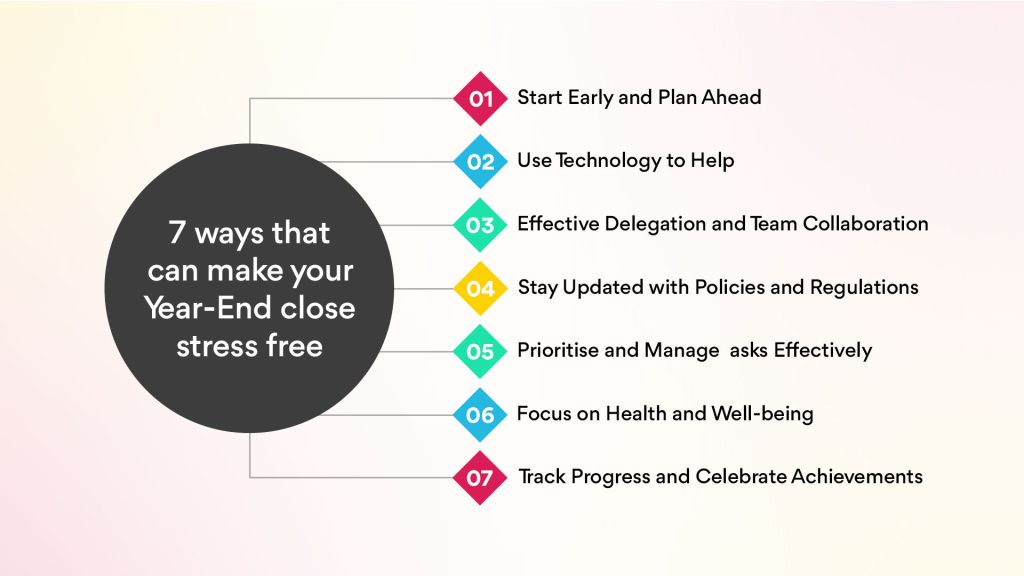
As the year comes to a close, many businesses scramble to get their financial records in order. Procrastination can lead to errors, missed deductions, and unnecessary stress during tax season. Proper planning and preparation for year-end financials can make the process smoother, more accurate, and less overwhelming. Avoid Last-Minute Stress: Preparing for Your Year-End Financials
This guide provides actionable steps to help you avoid last-minute stress and ensure your financial records are ready for the end of the fiscal year.
Why Year-End Financial Preparation Matters
Proper preparation of year-end financials is crucial for several reasons:
- Accuracy in Reporting – Ensures your profit and loss, balance sheet, and cash flow statements reflect your business’s true financial position.
- Tax Compliance – Organized records reduce errors and ensure all deductions, credits, and obligations are accounted for.
- Audit Readiness – Complete documentation makes audits simpler and faster.
- Financial Decision-Making – Up-to-date records support planning and strategic decisions for the upcoming year.
Starting early and staying organized is the key to avoiding last-minute chaos.
Step 1: Reconcile Your Bank Accounts
Your first step should be reconciling all bank accounts.
- Compare each transaction in your accounting system to your bank statements.
- Include checking, savings, and petty cash accounts.
- Investigate and resolve any discrepancies immediately.
Accurate bank reconciliations prevent errors from snowballing into larger issues during year-end reporting.
Step 2: Review Accounts Receivable and Payable
Keeping track of what your business is owed and what it owes is critical.
- Accounts Receivable (AR): Verify that all invoices are issued, recorded, and follow up on overdue payments.
- Accounts Payable (AP): Confirm all bills and vendor invoices are recorded and scheduled for payment.
- Adjust for any uncollected or unpaid items to ensure an accurate balance sheet.
This step also provides insight into cash flow and upcoming financial obligations.
Step 3: Conduct Inventory and Asset Checks
For businesses with inventory or fixed assets, reviewing these items is essential.
- Inventory: Perform a physical count, account for damaged or obsolete items, and adjust records accordingly.
- Fixed Assets: Update your asset register for new purchases, disposals, or retirements, and verify depreciation schedules.
Accurate inventory and asset records impact financial statements and tax calculations.
Step 4: Verify Payroll Records
Payroll can be one of the most complex areas in year-end financial prep.
- Reconcile payroll with tax filings.
- Ensure all bonuses, reimbursements, and benefits are accurately recorded.
- Prepare year-end payroll reports, including W-2s or equivalents.
Accurate payroll ensures compliance with tax laws and prevents discrepancies in your financial statements.
Step 5: Categorize Expenses and Record Accruals
Proper expense categorization ensures your profit and loss statement reflects reality.
- Review all expense accounts and make necessary adjustments.
- Record accrued expenses, such as utilities, vendor invoices, or interest not yet paid.
- Allocate prepaid expenses to the correct accounting periods.
This step ensures your financial statements show the true cost of operations.
Step 6: Reconcile Credit Cards and Loans
Ensure all credit card and loan accounts are accurate:
- Verify transactions in your accounting records.
- Confirm balances, interest, and fees are properly recorded.
- Resolve any discrepancies promptly.
This step prevents errors in reporting liabilities and prepares your business for year-end statements.
Step 7: Prepare Key Financial Statements
Once your records are reconciled, generate your year-end financial statements:
- Balance Sheet – Shows assets, liabilities, and equity at year-end.
- Income Statement (Profit & Loss) – Summarizes revenues and expenses.
- Cash Flow Statement – Tracks cash inflows and outflows.
These statements provide an overall picture of financial health and are critical for tax filing, audits, and business planning.
Step 8: Gather Tax Documentation
Proper documentation ensures compliance and can help maximize deductions:
- Sales tax records
- Payroll tax filings
- Expense receipts and invoices
- Records of tax credits or grants received
Organized tax documents make filing simpler and reduce the risk of errors or audits.
Step 9: Review Contracts and Legal Documents
Contracts and agreements can have financial implications:
- Lease agreements, loan contracts, and vendor agreements
- Pending legal matters or settlements
- Purchase agreements, warranties, or service contracts
Reviewing these ensures all obligations and liabilities are accurately reflected in your records.
Step 10: Consult with Your Accountant
Before finalizing your year-end financials, meet with your accountant or financial advisor:
- Verify accuracy of reconciliations and statements.
- Discuss potential tax planning strategies.
- Plan budgets and financial goals for the upcoming year.
A professional review helps catch errors and ensures your business is fully prepared for the new fiscal year.
Tips for Avoiding Last-Minute Stress
- Start Early – Begin gathering documents and reconciling accounts weeks before year-end.
- Stay Organized – Use digital systems to keep receipts, invoices, and statements in one place.
- Automate Processes – Accounting software can simplify reconciliations and reporting.
- Check Accounts Quarterly – Regular reviews reduce end-of-year workload.
- Use a Checklist – Track completed tasks to avoid missing anything important.
Implementing these practices makes year-end preparation more manageable and reduces stress.
Common Mistakes to Avoid
- Waiting until the last minute to gather documents
- Missing receipts or invoices
- Ignoring accrued or prepaid expenses
- Failing to update inventory or fixed asset records
- Overlooking payroll and tax documentation
Avoiding these mistakes ensures a smoother, more accurate year-end financial process.
Conclusion
Avoiding last-minute stress during year-end financials is achievable with proper planning, organization, and consistent record-keeping. By following this step-by-step guide—reconciling accounts, reviewing payroll and inventory, gathering documentation, and consulting with your accountant—you can ensure your year-end financials are accurate, compliant, and ready for tax season.
Start early, stay organized, and use these tips to make year-end financial preparation efficient and stress-free. A well-prepared year-end lays the foundation for a strong financial start to the new year.