Managing finances for a nonprofit or charity is very different from running a traditional business. Every dollar must be tracked carefully, donor funds must be allocated correctly, and reporting must meet strict compliance and transparency standards. That’s why choosing the best bookkeeping software for nonprofits and charities is essential for financial accountability and long-term sustainability.
In this SEO-optimized guide, we’ll explore the top bookkeeping software options, key features to look for, and how nonprofits can improve financial management using modern digital tools.
Why Nonprofits Need Specialized Bookkeeping Software
Nonprofits and charitable organisations operate under unique financial rules. Unlike businesses focused on profit, nonprofits must demonstrate how funds are used to support their mission.
Key challenges include:
- Tracking restricted and unrestricted funds
- Managing donor contributions
- Generating audit-ready financial reports
- Ensuring compliance with tax regulations
- Maintaining transparency for stakeholders
Using general spreadsheets or outdated systems increases the risk of errors and compliance issues. Modern bookkeeping tools like Xero and QuickBooks Online help nonprofits automate and simplify these tasks.
Key Features to Look for in Nonprofit Bookkeeping Software
Before selecting the best bookkeeping software for your charity, it’s important to understand the features that matter most.
1. Fund Accounting Capabilities
Nonprofits need to track multiple funding sources separately. Fund accounting ensures that donor restrictions are properly managed.
2. Donation Tracking and Management
Software should allow easy tracking of donations, grants, and sponsorships, including donor history and reporting.
3. Budgeting and Forecasting Tools
Charities need to plan spending carefully. Budgeting tools help ensure funds are used effectively.
4. Compliance and Reporting
The system should generate reports that meet regulatory requirements and simplify audits.
5. Integration with Donation Platforms
Many nonprofits use online fundraising tools, so integration with payment gateways and donation platforms is essential.
Best Bookkeeping Software for Nonprofits and Charities
Below are some of the most widely used and trusted bookkeeping solutions for nonprofit organisations.
1. QuickBooks Online
QuickBooks Online is one of the most popular bookkeeping platforms globally and is widely used by nonprofits due to its flexibility and reporting features.
Why it’s great for nonprofits:
- Strong financial reporting tools
- Easy tracking of income and expenses
- Integration with donation platforms
- Customisable chart of accounts
- Cloud-based access for remote teams
QuickBooks Online is especially useful for small to mid-sized charities that need reliable accounting without complex setup.
2. Xero
Xero is another powerful cloud-based accounting system that works well for nonprofit organisations of all sizes.
Key nonprofit benefits:
- Real-time financial dashboards
- Strong bank reconciliation tools
- Easy collaboration with accountants
- Integration with fundraising and payroll tools
- Multi-user access with role permissions
Xero is known for its simplicity and clean interface, making it a great option for nonprofits with limited accounting experience.
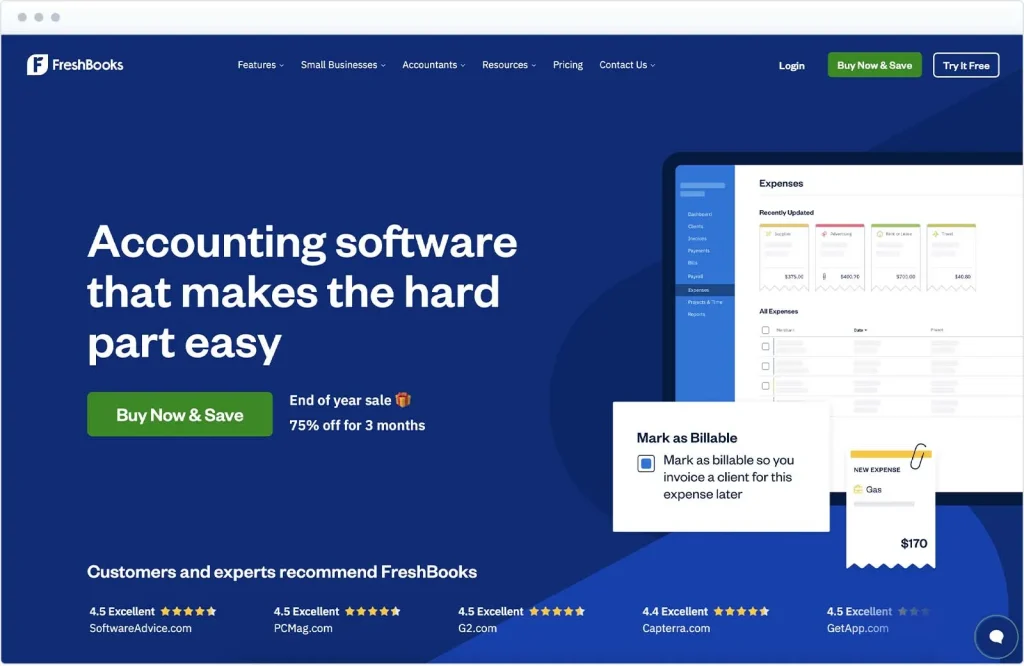
3. FreshBooks
FreshBooks is a user-friendly bookkeeping solution that is ideal for small nonprofits and community-based organisations.
Advantages for charities:
- Simple invoicing and expense tracking
- Automated financial reports
- Mobile-friendly interface
- Easy donor billing and tracking
- Time tracking for grant-funded projects
FreshBooks is particularly helpful for smaller charities that want straightforward financial management without complexity.
4. Sage Intacct (Advanced Nonprofit Solution)
For larger charities and organisations with complex financial structures, Sage Intacct is a more advanced option.
Features include:
- Advanced fund accounting
- Multi-entity financial management
- Strong audit and compliance tools
- Custom reporting dashboards
- Scalable infrastructure for large nonprofits
This solution is best suited for established organisations with dedicated finance teams.
Benefits of Using Bookkeeping Software for Nonprofits
Switching from manual systems to modern bookkeeping software offers many advantages.
Improved Transparency
Donors and stakeholders can see exactly how funds are being used.
Better Financial Control
Real-time tracking helps prevent overspending and improves budget management.
Easier Compliance
Automated reporting reduces the risk of errors during audits or tax submissions.
Time Savings
Automation reduces manual data entry and administrative workload.
Enhanced Donor Trust
Accurate reporting builds credibility and encourages future donations.
Common Mistakes Nonprofits Make in Bookkeeping
Even with good software, mistakes can still happen if systems are not used properly.
Mixing Restricted and Unrestricted Funds
This is one of the most common and serious accounting errors in nonprofits.
Poor Data Entry Practices
Incorrect transaction categorisation can distort financial reports.
Not Reconciling Accounts Regularly
Failing to reconcile bank statements can lead to unnoticed discrepancies.
Ignoring Financial Reports
Reports are essential for decision-making and compliance.
Lack of Staff Training
Even the best software like QuickBooks Online requires proper training to be used effectively.
How to Choose the Right Bookkeeping Software for Your Nonprofit
Selecting the right system depends on your organisation’s size, budget, and financial complexity.
Small Nonprofits
Look for simple, affordable tools like FreshBooks that offer ease of use and basic reporting.
Medium-Sized Charities
Platforms like Xero provide a balance of functionality and scalability.
Large Nonprofits
Advanced systems such as Sage Intacct are better suited for complex financial structures and multi-branch organisations.
Cloud-Based Bookkeeping: A Game Changer for Charities
Cloud accounting has transformed how nonprofits manage their finances. Instead of relying on desktop software, cloud systems allow teams to access financial data from anywhere.
Benefits include:
- Remote access for staff and volunteers
- Real-time collaboration with accountants
- Automatic backups and updates
- Improved data security
Most modern platforms, including QuickBooks Online and Xero, are fully cloud-based.
The Future of Nonprofit Bookkeeping Software
The future of nonprofit financial management is becoming more automated and intelligent.
Expected trends include:
- AI-powered financial insights
- Automated donor management
- Real-time grant tracking
- Enhanced predictive budgeting
- Greater integration with fundraising platforms
These innovations will allow nonprofits to focus more on their mission and less on administrative tasks.
Conclusion
Choosing the best bookkeeping software for nonprofits and charities is essential for maintaining financial transparency, compliance, and operational efficiency. Whether you are a small community organisation or a large charitable foundation, the right software can significantly improve how you manage donations, expenses, and reporting.
Platforms like QuickBooks Online, Xero, and FreshBooks provide powerful tools that simplify accounting processes and help nonprofits stay focused on their mission.
By adopting modern bookkeeping software, charities can build stronger donor trust, improve financial accuracy, and ensure long-term sustainability.