Understanding the difference between a bookkeeper and an accountant is essential for any business owner who wants to stay financially organised and make smart decisions. Many people assume these roles are interchangeable, but they actually serve very different purposes in your business.
If you’ve ever wondered “Bookkeeper vs Accountant: when do I need each one?”, this guide will break it down clearly. You’ll learn what each professional does, when to hire them, and how they work together to support your business growth.
What Is a Bookkeeper?
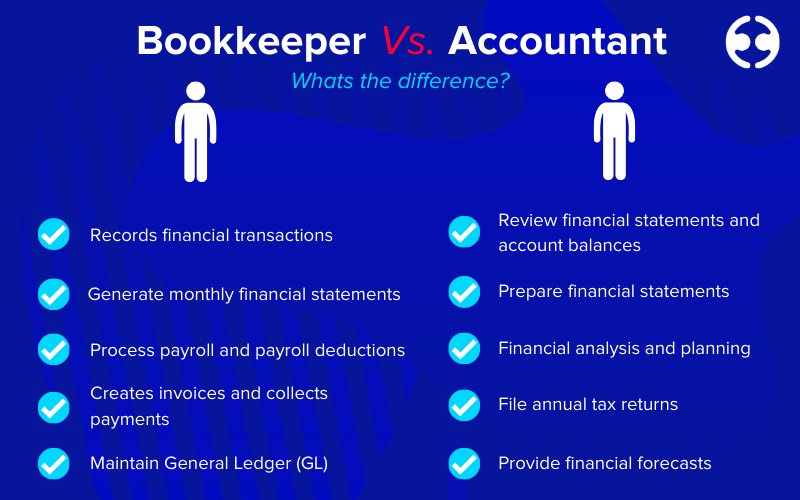
A bookkeeper is responsible for the day-to-day management of your business finances. Their job is to keep your financial records accurate, organised, and up to date.
Typical bookkeeping tasks include:
- Recording income and expenses
- Managing invoices and receipts
- Reconciling bank accounts
- Tracking cash flow
- Categorising transactions
- Maintaining financial records in accounting software
Bookkeepers ensure that every financial transaction is properly recorded so your business data is always current and reliable.
Think of a bookkeeper as the person who keeps your financial “house” clean and organised every day.
What Is an Accountant?
An accountant works at a higher level than a bookkeeper. While bookkeepers handle daily financial data, accountants analyse that data to provide insights, prepare tax filings, and support long-term financial planning.
Typical accounting tasks include:
- Preparing and lodging tax returns
- Financial reporting and analysis
- Business structure advice
- Budgeting and forecasting
- Compliance with tax laws and regulations
- Strategic financial planning
Accountants use the data prepared by bookkeepers to help you understand your business performance and plan for the future.
Think of an accountant as the strategist who interprets your financial data and helps you make big-picture decisions.
Key Difference Between a Bookkeeper and an Accountant
The simplest way to understand the difference is:
- Bookkeeper = Records and organises financial data
- Accountant = Analyses and interprets financial data
Bookkeepers focus on accuracy and consistency in day-to-day records, while accountants focus on compliance, strategy, and financial insight.
Both roles are important, but they serve different stages of your financial process.
When You Need a Bookkeeper
You should hire a bookkeeper when your business needs regular financial organisation and tracking.
Here are clear signs you need one:
1. You’re Spending Too Much Time on Admin Work
If you’re constantly entering transactions, chasing receipts, or updating spreadsheets, a bookkeeper can take over these tasks.
2. Your Financial Records Are Behind
If your books are weeks or months out of date, you need help getting things back on track.
3. You Don’t Know Your Cash Flow
If you’re unsure how much money is coming in or going out, your bookkeeping system needs attention.
4. Tax Season Feels Overwhelming
A bookkeeper ensures your records are organised year-round, making tax time much easier.
5. Your Business Is Growing
More income, more expenses, and more transactions mean more complexity that a bookkeeper can manage.
When You Need an Accountant
You should hire an accountant when your business needs financial expertise, tax planning, or strategic advice.
Here are key situations where an accountant is essential:
1. You Need to Lodge Taxes
Accountants prepare and submit tax returns accurately and in compliance with regulations.
2. You Want Financial Advice
If you’re unsure how to grow or structure your business financially, an accountant provides expert guidance.
3. Your Business Is Scaling
If you’re expanding, hiring staff, or increasing revenue significantly, an accountant helps you plan for growth.
4. You Need Loans or Investors
Banks and investors often require formal financial statements prepared by an accountant.
5. You Want to Improve Profitability
Accountants analyse your financial data to identify ways to increase profit and reduce costs.
Do You Need a Bookkeeper or an Accountant First?
In most cases, businesses should start with a bookkeeper.
Why?
Because accountants rely on clean, accurate financial data. Without proper bookkeeping, accounting becomes more difficult, expensive, and time-consuming.
A bookkeeper ensures your records are organised so your accountant can focus on tax and strategy.
How Bookkeepers and Accountants Work Together
Bookkeepers and accountants are not replacements for each other—they are a team.
Here’s how they typically work together:
- The bookkeeper records daily financial transactions
- The bookkeeper maintains accurate financial records
- The accountant reviews the data prepared by the bookkeeper
- The accountant prepares tax returns and financial reports
- The accountant provides strategic advice based on that data
When both roles work together, your business gains financial clarity, accuracy, and direction.
Why Confusing the Two Can Hurt Your Business
Many business owners try to use an accountant for bookkeeping tasks or skip bookkeeping entirely. This often leads to problems such as:
- Higher accounting fees due to disorganised data
- Errors in financial reporting
- Missed tax deductions
- Lack of real-time financial visibility
- Stress during tax season
Without proper bookkeeping, accountants must spend more time cleaning up records instead of providing valuable advice.
Cost Difference: Bookkeeper vs Accountant
In general:
- Bookkeepers are more cost-effective for ongoing, routine tasks
- Accountants are more expensive because they provide specialised expertise
Using each professional for their intended role helps you manage costs efficiently while maintaining financial accuracy.
Which One Does Your Business Need Right Now?
Ask yourself these questions:
- Do I struggle to keep my financial records up to date? → You need a bookkeeper
- Do I need help with taxes or financial strategy? → You need an accountant
- Do I want both accuracy and long-term financial planning? → You likely need both
Most growing businesses eventually benefit from having both a bookkeeper and an accountant.
Benefits of Having Both a Bookkeeper and Accountant
When you use both professionals correctly, your business gains:
- Accurate, real-time financial data
- Stress-free tax preparation
- Better cash flow management
- Stronger financial decision-making
- Improved business growth planning
This combination creates a complete financial system for your business.
Final Thoughts: Bookkeeper vs Accountant
Understanding Bookkeeper vs Accountant: when you need each one is crucial for building a strong financial foundation.
A bookkeeper keeps your day-to-day finances organised, while an accountant helps you understand, plan, and optimise your financial future. Both are valuable—but they serve different purposes at different stages of your business.
If your financial records are messy or outdated, start with a bookkeeper. If you need tax advice or strategic guidance, bring in an accountant. Together, they ensure your business stays financially healthy and ready for growth.