Many business owners view bookkeeping as a simple administrative task involving receipts, invoices, and entering numbers into accounting software. However, bookkeeping is much more than data entry. It is an essential part of managing your business finances, understanding your financial performance, and making informed decisions that support long-term growth. Bookkeeping Isn’t Just Data Entry: Here’s Why It Matters
Whether you run a small business, manage a startup, or operate an established company, accurate bookkeeping can help you stay financially organised and avoid unnecessary stress. It provides a clear picture of where your money comes from, where it goes, and how your business is performing.
Understanding the importance of bookkeeping can change the way you manage your business. Instead of treating it as another task on your to-do list, you can use it as a valuable tool to improve profitability, manage cash flow, and plan for the future.
What Is Bookkeeping and Why Does It Matter?
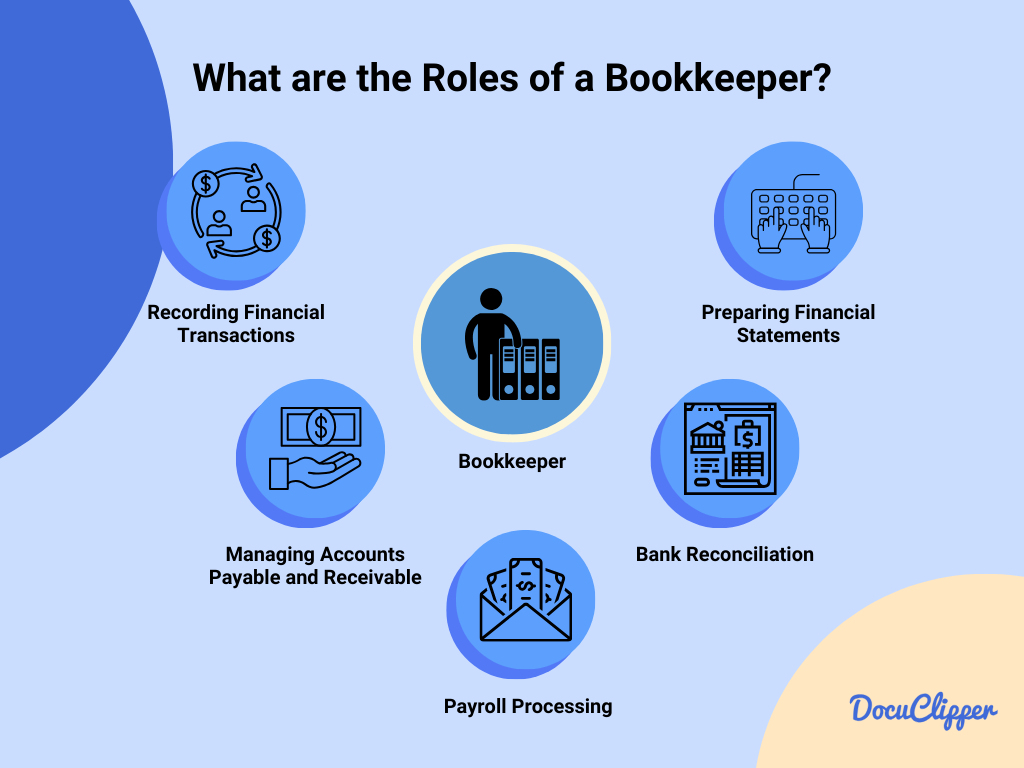
Bookkeeping is the process of recording, organising, and maintaining a business’s financial transactions. These transactions may include sales, purchases, supplier payments, operating expenses, payroll transactions, and customer invoices.
Accurate bookkeeping ensures that your financial records are complete, consistent, and up to date. These records form the foundation for financial reporting, budgeting, tax preparation, and business planning.
Without reliable bookkeeping, it becomes difficult to understand your business’s financial position. You may know how much money is in your bank account, but that does not necessarily tell you whether your business is profitable or whether you can afford upcoming expenses.
Effective bookkeeping helps turn everyday financial transactions into useful information. It allows business owners to understand their numbers and make decisions based on accurate financial records rather than assumptions.
1. Bookkeeping Helps You Understand Your Business Finances
One of the most important benefits of bookkeeping is gaining a clearer understanding of your business finances.
Your financial records show how much revenue your business generates, how much you spend, and how much money remains after expenses. Reviewing these figures regularly helps you identify financial trends and understand whether your business is moving in the right direction.
For example, your sales might be increasing, but your expenses could be rising even faster. Without accurate bookkeeping, you may not notice that your profit margins are shrinking until the problem becomes more serious.
By keeping your records organised, you can monitor income and expenses, compare financial performance across different periods, and identify areas that require attention.
Having this information readily available gives you greater control over your finances and helps you make more informed business decisions.
2. Accurate Bookkeeping Improves Cash Flow Management
Cash flow is one of the biggest financial challenges faced by small businesses. Even a business that generates strong sales can experience difficulties if customers pay late or expenses become due before sufficient money is available.
Bookkeeping helps you monitor the movement of money into and out of your business. By recording customer payments, supplier invoices, operating expenses, and other transactions, you can better understand your current cash position.
Regular bookkeeping also helps you identify overdue invoices and upcoming financial commitments. This makes it easier to follow up with customers, plan payments, and anticipate potential cash shortages.
For example, if your records show that several large invoices remain unpaid, you can take action before those delays affect your ability to pay suppliers or employees.
With better cash flow management, you can plan ahead, reduce financial uncertainty, and keep your business operating more smoothly.
3. Bookkeeping Helps You Make Better Business Decisions
Running a business involves making decisions every day. You might consider hiring an employee, increasing your prices, purchasing equipment, or investing in marketing.
However, making these decisions without understanding your financial position can expose your business to unnecessary risks.
Accurate bookkeeping provides the information you need to evaluate your options. By reviewing your revenue, expenses, and profitability, you can determine whether a potential investment is financially realistic.
For example, if you are considering hiring another employee, your financial records can help you assess whether your current income and cash flow are sufficient to support the additional wages and associated costs.
Bookkeeping also allows you to evaluate previous decisions. You can compare results over time and identify which strategies are contributing to business growth.
Instead of relying on guesswork, you can use reliable financial information to make decisions that align with your business goals.
4. Good Bookkeeping Helps You Control Business Expenses
Business expenses can quickly add up, particularly when you are managing subscriptions, supplier payments, rent, insurance, wages, and other operating costs.
Without proper bookkeeping, it is easy to overlook unnecessary spending or miss changes in recurring expenses.
Keeping accurate financial records allows you to categorise expenses and review where your money is going. This can help you identify opportunities to reduce costs and improve financial efficiency.
For instance, you might discover that you are paying for services you no longer use or that certain suppliers have increased their prices significantly.
By reviewing your expenses regularly, you can decide where savings are possible without compromising the quality of your products or services.
Effective expense tracking also supports budgeting and helps you prepare for future financial commitments.
5. Bookkeeping Makes Tax Time Less Stressful
Tax time can become overwhelming when financial records are incomplete, receipts are missing, or transactions have not been properly categorised.
Regular bookkeeping helps prevent these problems by keeping your financial information organised throughout the year.
When your income, expenses, invoices, and supporting documents are up to date, it becomes easier to prepare the information needed by your accountant or tax agent.
For Australian businesses, maintaining appropriate financial records is particularly important for meeting relevant tax and reporting obligations. Depending on your circumstances, these may include GST records, business activity statements, payroll information, and income tax documentation.
Leaving bookkeeping until the end of the financial year can create unnecessary pressure and increase the risk of errors or missing information.
By maintaining your records consistently, you can approach tax time with greater confidence and give your accountant more reliable information to work with.
6. Bookkeeping Helps You Monitor Business Profitability
Making sales is important, but revenue alone does not determine whether your business is financially successful.
Profitability depends on how much income remains after accounting for the relevant costs and expenses of running your business.
Bookkeeping helps you track these figures so you can understand whether your business is generating sustainable profits.
For example, a business might experience an increase in sales but see little improvement in profit because supplier costs, wages, or operating expenses have increased.
Regularly reviewing your financial records helps you identify these patterns and investigate potential causes.
You can also compare the performance of different products or services to understand which areas contribute most effectively to your bottom line.
With accurate bookkeeping, you gain better visibility over your profitability and can make adjustments to pricing, spending, or business operations when necessary.
7. Organised Financial Records Support Business Growth
As your business grows, your financial responsibilities often become more complex. You may hire additional employees, expand your services, invest in equipment, or enter new markets.
Making these changes successfully requires a clear understanding of your current financial position.
Accurate bookkeeping helps you track business performance, monitor expenses, and assess whether your business has the financial capacity to grow.
It also provides historical information that can support budgeting and forecasting. By reviewing previous financial results, you can develop more realistic expectations for future revenue, costs, and cash flow.
Organised financial records can also make it easier to provide information to accountants, lenders, or other professionals when required.
Bookkeeping does not guarantee business growth, but it gives you a stronger financial foundation from which to plan and manage it.
8. Professional Bookkeeping Saves Time and Reduces Errors
Many small business owners handle their own bookkeeping while also managing customers, employees, sales, and daily operations.
Although doing your own bookkeeping may seem like a way to reduce costs, it can become time-consuming as your business grows. Financial tasks may also be delayed when other responsibilities take priority.
Professional bookkeeping services can help you maintain accurate records, reconcile bank transactions, manage invoices, and organise financial information.
A professional bookkeeper can also help identify discrepancies and ensure that financial records are maintained consistently. The exact support available will depend on the services you engage.
Outsourcing bookkeeping can free up time for you to focus on running your business while ensuring that important financial tasks receive regular attention.
For business owners who struggle to keep their records up to date, professional bookkeeping support can make financial management more manageable.
What Is the Difference Between Bookkeeping and Data Entry?
Data entry involves entering information into a computer system or software program. Bookkeeping, on the other hand, involves maintaining and organising financial records in a way that supports accurate financial management.
While entering transactions can be part of bookkeeping, the process requires more than simply recording numbers.
Bookkeeping also involves categorising transactions appropriately, reconciling accounts, tracking invoices, identifying discrepancies, and maintaining consistent records.
These activities help ensure that financial information is useful and reliable.
In other words, data entry records information, while effective bookkeeping helps make that information meaningful to your business.
Conclusion: Bookkeeping Is an Investment in Your Business
Bookkeeping is far more than a routine administrative task. It plays an important role in understanding business finances, managing cash flow, controlling expenses, monitoring profitability, and preparing for future growth.
When your financial records are accurate and up to date, you have a clearer picture of how your business is performing and where improvements may be needed.
You can identify potential problems earlier, make informed decisions, and approach your financial responsibilities with greater confidence.
If bookkeeping has become overwhelming or your records are falling behind, investing in professional bookkeeping support may help you regain control of your business finances.
Ready to take the stress out of bookkeeping? Keeping your financial records organised is a practical step towards better financial management and a stronger business future. Because bookkeeping isn’t just data entry; it’s about understanding your numbers and using them to build a more successful business.