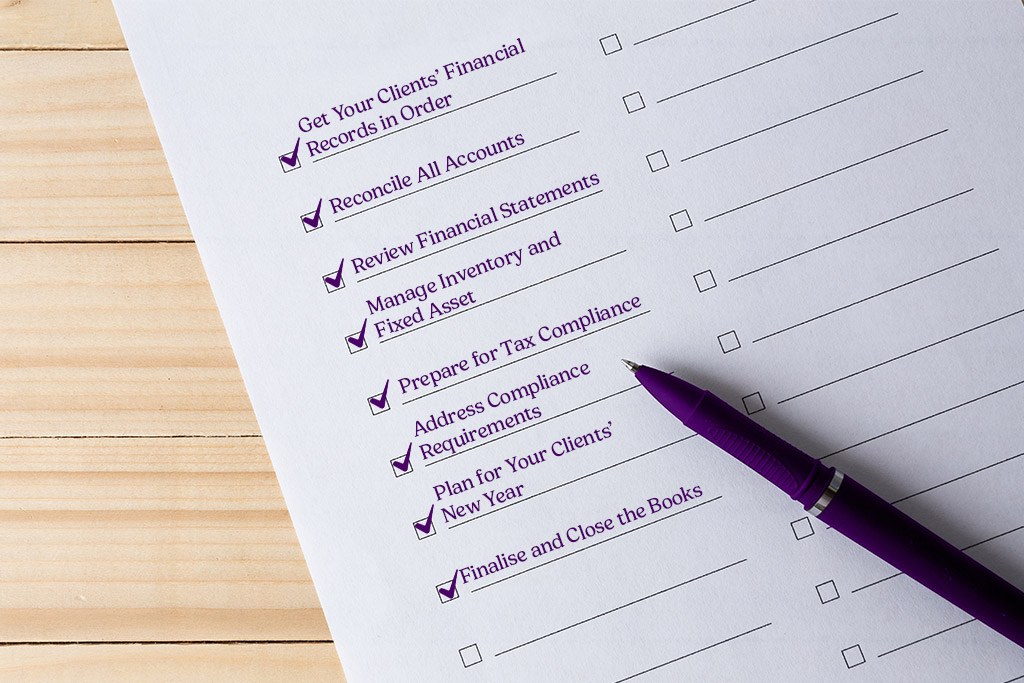
As the year comes to an end, closing your books accurately is critical for your business’s financial health. Year-end accounting ensures that all financial records are complete, accurate, and ready for reporting, tax filing, and strategic planning. Failing to properly close your books can lead to errors, compliance issues, and unnecessary stress during tax season. Closing the Books: Essential Items for Your Year-End Accounting
This guide outlines the essential items you need for year-end accounting, making the process smoother and more efficient.
Why Closing the Books Matters
Closing the books is more than a bookkeeping task—it provides a clear picture of your company’s financial performance and sets the stage for the upcoming year.
- Accurate Financial Statements: Ensures profit and loss, balance sheet, and cash flow statements reflect reality.
- Tax Compliance: Reduces the risk of errors on tax returns and ensures all deductible expenses are captured.
- Audit Preparedness: Organized records streamline any potential audit process.
- Informed Decision-Making: Accurate data helps plan budgets, investments, and strategic moves for the new year.
By following a structured year-end accounting process, you can avoid last-minute stress and make informed business decisions.
Step 1: Reconcile Bank Accounts
Start your year-end accounting by reconciling all bank accounts.
- Compare each transaction in your accounting records to bank statements.
- Identify and resolve discrepancies immediately.
- Include checking accounts, savings accounts, and petty cash.
Bank reconciliation ensures that your financial records accurately reflect your cash position and prevents errors in financial statements.
Step 2: Review Accounts Receivable and Accounts Payable
Proper management of receivables and payables is essential for accurate reporting.
- Accounts Receivable (AR): Verify that all invoices are recorded and follow up on overdue payments.
- Accounts Payable (AP): Confirm that all vendor invoices are recorded and scheduled for payment.
- Adjust records for uncollected AR or outstanding AP to ensure an accurate balance sheet.
This step also helps you understand your cash flow and prepare for any upcoming liabilities.
Step 3: Conduct Inventory Count
For businesses with inventory, a physical year-end inventory count is crucial.
- Verify quantities of all products.
- Document damaged, obsolete, or missing inventory items.
- Update your accounting records to reflect actual inventory levels.
Accurate inventory records affect both the balance sheet and cost of goods sold, which directly impacts profitability.
Step 4: Review Fixed Assets and Depreciation
Ensure all fixed assets are properly recorded and depreciation is up to date.
- Update the asset register with purchases, disposals, or retirements.
- Calculate and apply depreciation accurately for each asset.
- Review accumulated depreciation and ensure it’s reflected in financial statements.
This process ensures that your balance sheet is accurate and your tax deductions for depreciation are correct.
Step 5: Verify Payroll and Employee Expenses
Payroll is one of the most complex aspects of year-end accounting.
- Reconcile payroll records with tax filings.
- Include all bonuses, reimbursements, and employee benefits.
- Prepare year-end payroll reports, such as W-2s or equivalents.
Accurate payroll data ensures compliance with labor and tax laws while keeping your records ready for year-end reporting.
Step 6: Categorize and Accrue Expenses
Properly categorizing and accruing expenses ensures your profit and loss statement is accurate.
- Review all expense accounts and make necessary adjustments.
- Record accrued expenses, such as utilities or supplier invoices not yet paid.
- Adjust for prepaid expenses and allocate them to the correct period.
This step ensures your financial statements reflect the true cost of operations for the year.
Step 7: Reconcile Credit Cards and Loans
Review all credit card and loan statements to ensure liabilities are correctly recorded.
- Compare transactions to your accounting records.
- Verify outstanding balances, interest, and fees.
- Record any discrepancies or missed entries.
Proper reconciliation prevents mistakes in liabilities and ensures an accurate balance sheet.
Step 8: Prepare Financial Statements
Once all accounts are reconciled, generate your key financial statements:
- Balance Sheet – Summarizes assets, liabilities, and equity.
- Income Statement (Profit & Loss) – Shows revenues and expenses for the year.
- Cash Flow Statement – Tracks cash inflows and outflows.
These statements provide an overall view of financial health and are essential for reporting to stakeholders and filing taxes.
Step 9: Gather Tax Documentation
Collect all relevant tax documents before closing the books.
- Sales tax records
- Payroll tax filings
- Deductible expense documentation
- Records for tax credits or grants
Having these documents organized simplifies tax filing and ensures compliance with local and federal regulations.
Step 10: Review and Consult with Your Accountant
Finally, review all records and financial statements with your accountant or financial advisor.
- Confirm accuracy of reconciliations and statements.
- Discuss potential tax-saving strategies.
- Plan for the next fiscal year based on current financial results.
A professional review helps catch errors and ensures your books are ready for audits or investor reporting.
Tips for Smoother Year-End Accounting
- Start Early: Begin the year-end process weeks before the fiscal year ends.
- Stay Organized: Keep digital and physical records sorted and accessible.
- Use Accounting Software: Automate reconciliations, reporting, and calculations.
- Regular Reviews: Quarterly checks reduce year-end workload.
- Maintain a Checklist: Track completed tasks and pending items.
Following these tips makes closing the books more efficient and reduces stress.
Common Mistakes to Avoid
- Failing to reconcile accounts on time
- Missing receipts, invoices, or payroll records
- Ignoring accrued or prepaid expenses
- Not updating inventory or fixed asset records
- Overlooking tax documentation
Avoiding these mistakes ensures accurate, compliant year-end financials.
Conclusion
Closing the books is a critical step in year-end accounting. By following this guide and ensuring all essential items are reviewed—from bank reconciliations to payroll, inventory, and tax documentation—you can confidently close your books, prepare for tax filings, and make informed financial decisions for the new year.
Start early, stay organized, and make year-end accounting a smooth, accurate, and stress-free process. With thorough preparation, your business can enter the new fiscal year ready to grow and succeed. Closing the Books: Essential Items for Your Year-End Accounting