Managing a small business involves much more than selling products or providing services. Business owners also need to understand their finances, manage expenses, track income, prepare for taxes, and make informed financial decisions. Good accounting practices can help a small business maintain healthy cash flow, reduce financial errors, and support long-term growth. Essential Accounting Tips for Small Business Owners
Whether you manage your own bookkeeping or work with an accountant, understanding the basics of small business accounting is essential. Here are some practical accounting tips for small business owners.
1. Keep Business and Personal Finances Separate
One of the most important accounting tips for small business owners is to separate personal and business finances. Open a dedicated business bank account and use it exclusively for business transactions.
Mixing personal and business expenses can make bookkeeping difficult and create problems when preparing financial statements or tax returns. Separate accounts also make it easier to monitor business cash flow and understand how much money the business is actually generating.
Using a separate business credit card can also help organize expenses and maintain accurate financial records.
2. Track Every Business Expense
Small expenses can quickly add up, so keeping accurate records is essential. Record purchases, subscriptions, utilities, travel expenses, advertising costs, equipment purchases, and other business-related spending.
Keep digital copies of receipts and invoices whenever possible. Accounting software can help categorize transactions and store important financial information in one place.
Accurate expense tracking gives business owners a clearer picture of where money is being spent and can make tax preparation significantly easier.
3. Understand Your Cash Flow
Profit and cash flow are not the same thing. A business can be profitable on paper but still experience cash flow problems if customers take too long to pay their invoices.
Regularly monitor money coming into the business and money going out. Prepare a cash flow forecast to anticipate upcoming expenses, loan repayments, payroll, supplier payments, and other financial commitments.
Understanding cash flow allows small business owners to identify potential shortages before they become serious problems.
4. Stay on Top of Accounts Receivable
Accounts receivable refers to money customers owe your business. Delayed payments can put unnecessary pressure on cash flow, particularly for small businesses.
Create clear payment terms and include payment due dates on invoices. Send invoices promptly and follow up on overdue accounts.
Consider using accounting software that automatically sends invoice reminders. Establishing an efficient invoicing process can help businesses receive payments sooner and reduce the amount of time spent chasing outstanding invoices.
5. Monitor Accounts Payable
Accounts payable represents money your business owes to suppliers and other creditors. Keeping accurate records of these obligations helps you avoid missed payments, late fees, and unnecessary financial stress.
Maintain a list of upcoming bills and payment due dates. Review supplier invoices carefully before making payments to ensure the amounts are accurate. Essential Accounting Tips for Small Business Owners
Good accounts payable management also helps you understand upcoming cash requirements and plan your spending more effectively.
6. Reconcile Your Bank Accounts Regularly
Bank reconciliation involves comparing your accounting records with your bank statements. This process can identify missing transactions, duplicate entries, bank fees, incorrect amounts, and potential errors.
Ideally, reconcile your business bank accounts regularly rather than waiting until the end of the financial year.
Regular reconciliation improves the accuracy of your accounting records and provides greater confidence when reviewing financial reports.
7. Use Accounting Software
Modern accounting software can simplify many routine bookkeeping tasks. Depending on the software, you may be able to create invoices, record expenses, reconcile bank transactions, track GST or sales tax, generate reports, and manage payroll.
Choose accounting software that suits your business size, industry, budget, and reporting requirements.
Automation can reduce manual data entry and make it easier to maintain consistent financial records. However, software does not eliminate the need to review transactions and ensure information has been entered correctly.
8. Understand Your Financial Statements
Small business owners do not necessarily need to become accounting experts, but they should understand their key financial statements.
The income statement shows revenue, expenses, and profit over a specific period. The balance sheet provides information about assets, liabilities, and owner’s equity. The cash flow statement tracks cash entering and leaving the business.
Reviewing these reports regularly can help you identify changes in revenue, expenses, profitability, debt, and cash availability.
9. Set a Budget and Review It
A business budget provides a financial plan for the future. Estimate expected sales, operating expenses, payroll, equipment purchases, marketing costs, and other expenditures.
Once the budget is created, compare actual results with your forecasts. Significant differences may indicate changing customer demand, unexpected expenses, pricing issues, or opportunities for improvement.
A budget should not be treated as a document that is created once and forgotten. Review it regularly and update your assumptions when circumstances change.
10. Prepare for Tax Obligations
Tax deadlines and reporting requirements vary depending on your location, business structure, and activities. Keep accurate records throughout the year rather than attempting to organize everything shortly before a tax deadline.
Set aside money for expected tax obligations so that a large tax bill does not create an unexpected cash flow problem.
A qualified accountant or tax professional can help you understand applicable requirements and identify legitimate deductions or tax planning opportunities.
11. Protect Your Financial Records
Accounting records contain valuable business information, so protecting them should be a priority. Use secure passwords, enable multi-factor authentication where available, and regularly back up important documents.
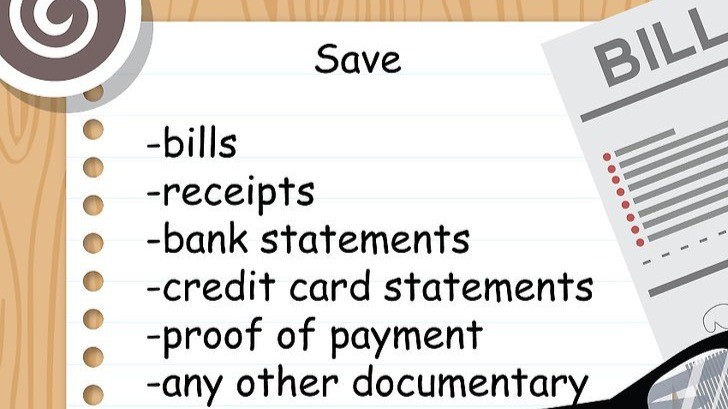
Keep copies of invoices, receipts, bank statements, contracts, payroll records, and other relevant documents according to applicable recordkeeping requirements.
Cloud-based accounting systems can provide convenient access to financial information, but businesses should still understand how their data is stored and protected.
12. Know When to Hire an Accountant
DIY bookkeeping can be practical for some small businesses, particularly when transaction volumes are low. However, financial requirements can become more complicated as a business grows.
An accountant can assist with financial reporting, tax compliance, business structure, budgeting, forecasting, and other accounting matters. Essential Accounting Tips for Small Business Owners
The goal is not simply to outsource bookkeeping. A good accounting professional can help business owners understand their numbers and use financial information to make better-informed business decisions.
Final Thoughts
Effective accounting is an important part of running a successful small business. Keeping business and personal finances separate, tracking expenses, monitoring cash flow, reconciling accounts, using accounting software, and reviewing financial statements can create a stronger financial foundation.
Small business owners should also stay organized throughout the year rather than treating accounting as a once-a-year task. Regular financial reviews make it easier to identify problems, manage cash flow, prepare for tax obligations, and plan for growth.
By developing consistent accounting habits and seeking professional advice when necessary, business owners can gain a clearer understanding of their financial position and make more informed decisions about the future of their business.