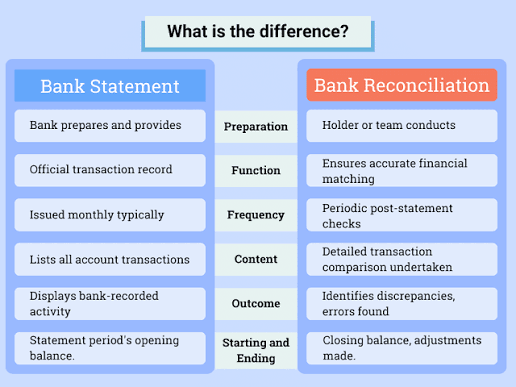
Bank reconciliation is an essential part of maintaining accurate financial records. It involves comparing the transactions recorded in a business’s accounting system with the transactions shown on its bank statement. Regular reconciliation helps identify discrepancies, correct bookkeeping errors, and provide a clearer picture of the business’s actual cash position. How Often Should a Business Perform Bank Reconciliation?
But how often should a business perform bank reconciliation? The answer depends on factors such as transaction volume, business size, cash flow requirements, and the level of financial oversight needed. While many businesses reconcile their bank accounts monthly, some may benefit from weekly or even daily reconciliation.
In this guide, we explain how frequently businesses should reconcile their bank accounts, why regular reconciliation matters, and how to establish an effective bank reconciliation schedule.
What Is Bank Reconciliation?
Bank reconciliation is the process of comparing your business bank account with your internal accounting records to make sure the transactions and balances are accurate.
During a bank reconciliation, you may compare deposits, withdrawals, payments, transfers, bank fees, interest, and other transactions. Differences can occur for legitimate reasons, such as outstanding payments or deposits that have not yet cleared.
The purpose is not necessarily to make every balance identical immediately. Instead, the goal is to understand and explain every difference between the bank statement and your bookkeeping records.
How Often Should You Reconcile a Business Bank Account?
For many small businesses, monthly bank reconciliation is a practical starting point. Reconciling once a month allows business owners and bookkeepers to review transactions regularly without creating an excessive administrative workload.
However, monthly reconciliation is not suitable for every business.
Businesses with a high volume of transactions, frequent payments, or tight cash flow may benefit from reconciling their bank accounts weekly or even daily.
The right frequency should reflect the needs and risks of the business rather than following a one-size-fits-all schedule.
Monthly Bank Reconciliation
Monthly bank reconciliation is one of the most common approaches for small and medium-sized businesses.
A monthly process usually involves reconciling the account after the bank statement for the previous month becomes available. This allows the business to compare all transactions for that period and identify discrepancies.
Benefits of monthly reconciliation include:
- Regular monitoring of cash balances
- Easier identification of bookkeeping errors
- More accurate financial reports
- Better preparation for tax and accounting requirements
- Less time spent investigating old transactions
For businesses with a moderate number of transactions, monthly reconciliation can provide a good balance between accuracy and efficiency.
Weekly Bank Reconciliation
Some businesses may benefit from reconciling their accounts every week.
Weekly reconciliation can be useful for businesses that receive and make payments frequently or need close visibility over their cash position.
For example, businesses with numerous daily transactions may find it easier to review a week’s transactions at a time rather than waiting until the end of the month.
Weekly bank reconciliation can also help identify unusual transactions sooner.
When Is Weekly Reconciliation Appropriate?
Consider weekly reconciliation if your business:
- Has a high volume of transactions
- Makes frequent supplier payments
- Receives customer payments throughout the week
- Has tight cash flow
- Operates multiple bank accounts
- Needs frequent cash flow information
- Has experienced recurring bookkeeping discrepancies
Reconciling more frequently does not necessarily mean spending significantly more time. Accounting software and bank feeds can streamline the process when properly configured.
Daily Bank Reconciliation
Daily reconciliation may be appropriate for businesses that handle large transaction volumes or require very close monitoring of their cash position.
For example, businesses processing substantial numbers of payments each day may want to review transactions frequently to identify errors or unusual activity quickly.
Daily reconciliation can provide near-current visibility into cash movements, but it may not be necessary for a smaller business with relatively few transactions.
The key is to balance the benefits of frequent reconciliation with the time and resources required.
Factors That Determine Bank Reconciliation Frequency
There are several factors to consider when deciding how often to reconcile your bank account.
Transaction Volume
The more transactions a business processes, the more frequently reconciliation may be useful.
Reviewing hundreds or thousands of transactions at the end of a quarter can make discrepancies difficult to trace. Regular reconciliation keeps the number of transactions under review more manageable.
Cash Flow
Businesses with tight or rapidly changing cash flow may need more frequent reconciliation.
Knowing the current cash position can help business owners monitor incoming and outgoing payments and identify potential cash flow issues sooner.
Number of Bank Accounts
A business with several bank accounts may need a structured reconciliation schedule for each account.
Each account should generally be reconciled separately so that discrepancies can be identified and investigated accurately.
Risk of Errors or Fraud
Regular bank reconciliation can help identify unfamiliar transactions, duplicate payments, missing deposits, and other irregularities.
Businesses with a higher volume of financial activity may therefore benefit from more frequent reviews.
Accounting Software
Modern bookkeeping and accounting software can make bank reconciliation more efficient. Automated bank feeds can import transactions into accounting systems, reducing manual data entry.
However, imported transactions still need to be reviewed and matched correctly. Automation does not eliminate the need for reconciliation.
Why Regular Bank Reconciliation Matters
Regular bank reconciliation provides several important benefits for businesses.
It improves bookkeeping accuracy
Comparing your accounting records with your bank statement can help identify incorrect amounts, missing transactions, duplicate entries, and other bookkeeping errors.
It improves cash flow visibility
A reconciled account gives you greater confidence that the balance in your accounting system reflects your actual financial position.
It helps identify unusual transactions
Regular reviews can make unfamiliar or potentially unauthorised transactions easier to identify.
It supports accurate financial reporting
Reliable bookkeeping records are important when preparing financial statements, management reports, budgets, and other financial information.
It simplifies year-end accounting
Keeping accounts reconciled throughout the year can reduce the amount of work required during year-end accounting and tax preparation.
What Happens If You Do Not Reconcile Regularly?
Delaying bank reconciliation can allow small bookkeeping errors to accumulate.
A missing transaction that would be easy to identify after one week can become much harder to trace several months later. Similarly, duplicate transactions, incorrect amounts, and unexplained bank charges can remain hidden in unreconciled records.
Inaccurate bookkeeping can also affect cash flow reports and other financial information used to manage the business.
For these reasons, bank reconciliation should be treated as a regular bookkeeping task rather than something reserved for the end of the financial year.
Create a Consistent Bank Reconciliation Schedule
Once you determine the appropriate frequency, create a consistent reconciliation schedule.
For example, a business might reconcile:
- High-volume accounts: daily or weekly
- Moderate-activity accounts: weekly or monthly
- Low-activity accounts: monthly
The exact schedule should reflect the business’s transaction volume, cash flow requirements, and internal controls.
Documenting the process can also help ensure that reconciliations are completed consistently, even when bookkeeping responsibilities change.
Final Thoughts
So, how often should a business perform bank reconciliation? For many small businesses, monthly reconciliation is a practical starting point. However, businesses with high transaction volumes, complex cash flow, multiple accounts, or greater monitoring needs may benefit from weekly or daily reconciliation.
The most important factor is consistency. Regular bank reconciliation helps businesses identify errors, monitor cash flow, maintain accurate accounting records, and detect unusual transactions sooner.
Rather than waiting until the end of the financial year, make bank reconciliation a regular part of your bookkeeping process. Choosing an appropriate reconciliation schedule can make financial records easier to manage and provide greater confidence in the accuracy of your business accounts.