Accurate expense categorization is one of the most important parts of effective bookkeeping. When business expenses are organized correctly, business owners can clearly understand where money is being spent, create accurate financial reports, manage budgets, and prepare easier tax documentation.
Many small businesses struggle with bookkeeping because expenses are entered into the wrong categories, receipts are not properly organized, or personal and business purchases are mixed together. These mistakes can make financial records unreliable and make it difficult to analyze business performance.
Learning how to categorize business expenses correctly helps create a strong financial management system. This guide explains the importance of expense categories, common business expense types, best practices, and how to avoid common bookkeeping mistakes.
Why Correctly Categorizing Business Expenses Matters
Business expense categories organize financial transactions into groups based on their purpose. This makes it easier to track spending, analyze costs, and understand how money flows through your business.
Correct expense categorization helps businesses:
- Create accurate financial reports
- Monitor spending patterns
- Improve budgeting decisions
- Prepare tax information
- Identify unnecessary expenses
- Measure profitability
Without proper expense categories, financial reports may not provide an accurate picture of your business performance.
For example, recording software costs as office supplies may not seem like a major issue, but inconsistent categorization can make expense analysis more difficult over time.
Step 1: Understand Your Business Expense Categories
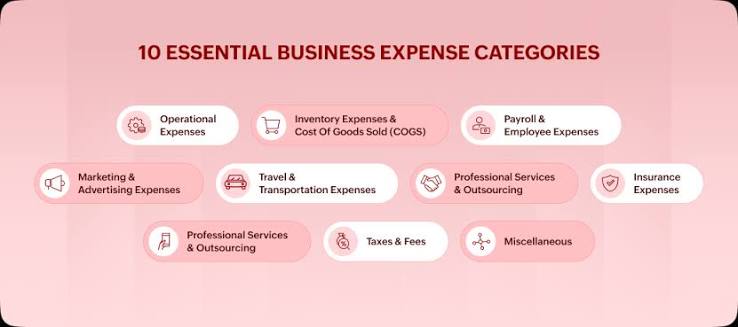
Before categorizing expenses, you need to understand the main types of costs your business incurs. While categories may vary depending on your industry, most businesses use similar expense groups.
Common business expense categories include:
- Operating expenses
- Marketing expenses
- Office expenses
- Technology expenses
- Travel expenses
- Professional services
- Payroll expenses
- Equipment expenses
- Insurance expenses
Creating a clear category structure makes bookkeeping simpler and more consistent.
Common Business Expense Categories Explained
Operating Expenses
Operating expenses are the everyday costs required to operate your business. These expenses are usually recurring and necessary for normal business activities.
Examples include:
- Office rent
- Utilities
- Internet services
- Cleaning services
- Maintenance costs
- Office supplies
Tracking operating expenses helps you understand the ongoing cost of running your business.
Marketing and Advertising Expenses
Marketing expenses include costs related to promoting your products, services, and brand.
Examples include:
- Social media advertising
- Search engine marketing
- Website development
- Promotional materials
- Email marketing platforms
- Branding services
Separating marketing expenses allows you to measure how much you invest in attracting customers.
Office Expenses
Office expenses cover items needed to maintain a workspace and support daily operations.
Examples include:
- Stationery
- Printing supplies
- Furniture
- Office equipment
- Postage costs
Keeping office expenses separate helps identify the cost of maintaining your workplace.
Technology and Software Expenses
Technology expenses include digital tools and equipment used to operate your business.
Examples include:
- Accounting software
- Business applications
- Cloud storage services
- Website hosting
- Computers and accessories
Technology costs are often significant for modern businesses, making accurate tracking important.
Travel and Transportation Expenses
Travel expenses include costs related to business trips, meetings, and transportation.
Examples include:
- Flights
- Accommodation
- Business mileage
- Public transportation
- Parking fees
- Rental vehicles
Always record the business purpose of travel expenses to maintain accurate records.
Professional Services Expenses
Professional service expenses include fees paid to external experts who support your business.
Examples include:
- Accounting services
- Bookkeeping fees
- Legal advice
- Consulting services
- Business coaching
These expenses help businesses access specialized skills and maintain operations.
Payroll and Employee Expenses
Businesses with employees need clear categories for labor-related costs.
Examples include:
- Employee wages
- Payroll processing fees
- Employee benefits
- Training expenses
- Contractor payments
Separating payroll-related expenses provides better insight into labor costs.
Equipment and Asset Expenses
Equipment expenses include purchases of long-term business assets.
Examples include:
- Computers
- Machinery
- Office furniture
- Business vehicles
- Production equipment
Some equipment purchases may need different accounting treatment compared with regular expenses, so accurate classification is important.
Step 2: Separate Business and Personal Expenses
One of the most common bookkeeping mistakes is combining personal and business expenses.
Personal expenses should not be categorized as business costs unless they have a legitimate business purpose.
To avoid confusion:
- Use a separate business bank account
- Use business credit cards for company purchases
- Keep personal purchases separate
- Record owner reimbursements correctly
Separating expenses creates cleaner financial records and makes bookkeeping much easier.
Step 3: Keep Expense Categories Simple
A common mistake is creating too many expense categories. While detailed tracking can be useful, excessive categories can make bookkeeping complicated.
A good expense category system should be:
- Easy to understand
- Consistent
- Relevant to your business
- Simple to maintain
For example, instead of creating separate categories for pens, paper, and printer ink, you may group them under “Office Supplies.”
The goal is to create useful financial information without making bookkeeping unnecessarily difficult.
Step 4: Use Consistent Categorization Rules
Consistency is essential when categorizing business expenses. Similar expenses should always be recorded in the same category.
For example:
- Monthly software subscriptions should always go under software expenses
- Advertising costs should always go under marketing expenses
- Accountant fees should always go under professional services
Consistent categorization makes financial reports more reliable.
Step 5: Review and Update Expense Categories Regularly
As your business grows, your expense categories may need adjustments. New products, services, employees, or technology investments may require additional categories.
Review your categories regularly to ensure they still provide useful information.
Ask yourself:
- Are my categories helping me understand spending?
- Are any categories unnecessary?
- Do I need more detail in certain areas?
- Are expenses being recorded consistently?
Regular reviews help maintain an efficient bookkeeping system.
Common Expense Categorization Mistakes to Avoid
Avoiding common errors can improve the accuracy of your financial records.
Using the Wrong Category
Incorrect categories can make reports misleading and affect financial analysis.
Ignoring Small Expenses
Small purchases can add up over time. Record every business expense, regardless of size.
Mixing Expense Types
Avoid combining unrelated expenses into one category.
Failing to Keep Receipts
Receipts provide evidence of expenses and support accurate recordkeeping.
Changing Categories Frequently
Constant changes make financial comparisons difficult. Establish categories and use them consistently.
How Bookkeeping Software Helps Categorize Expenses
Many businesses use bookkeeping software to simplify expense categorization. These tools can automatically organize transactions, store receipts, and generate financial reports.
Benefits include:
- Faster expense recording
- Automated transaction categorization
- Better reporting
- Reduced manual errors
- Easier financial reviews
Using technology can make expense management more efficient as your business grows.
Benefits of Correctly Categorizing Business Expenses
Proper expense categorization provides several long-term benefits.
Better Financial Visibility
You can clearly see where your money is being spent.
Improved Budgeting
Accurate expense information helps create realistic budgets.
Easier Tax Preparation
Organized records make it easier to prepare financial information.
Stronger Business Decisions
Reliable expense data supports better planning and growth strategies.
Final Thoughts: Build Better Bookkeeping Through Accurate Expense Categories
Learning how to categorize business expenses correctly is essential for maintaining accurate bookkeeping records. A clear expense category system helps businesses understand spending, manage costs, prepare financial reports, and make smarter decisions.
By creating simple categories, separating personal and business expenses, maintaining consistent records, and reviewing your system regularly, you can build a more effective bookkeeping process.
Accurate expense categorization is not just about organization—it is a powerful tool that helps businesses improve financial control and achieve long-term success.