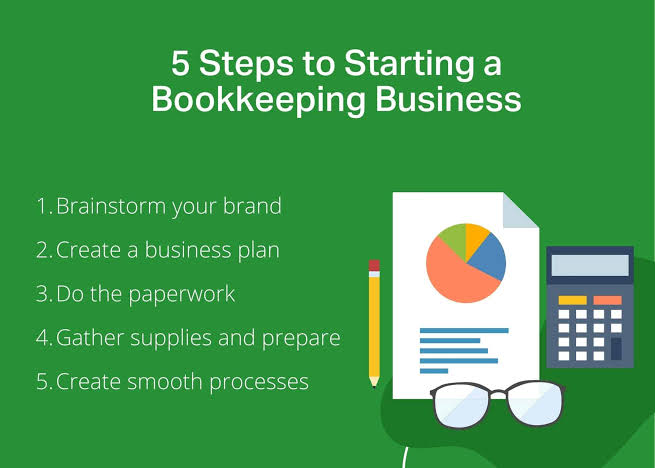
Bookkeeping is one of the most important parts of running a successful business, but it can feel complicated when you are just starting out. Good bookkeeping helps you understand where your money is coming from, where it is going, and whether your business is making a profit. It also makes tax time easier and helps you make informed financial decisions. How to Get Started With Bookkeeping: A Beginner’s Guide
The good news is that you do not need to be a financial expert to get started. With a simple system, the right tools, and consistent habits, you can keep your business finances organised. This beginner’s guide explains how to get started with bookkeeping and build a system that works for your business.
What Is Bookkeeping?
Bookkeeping is the process of recording, organising, and maintaining your business’s financial transactions. These transactions can include sales, expenses, invoices, payments, purchases, and other financial activities.
While bookkeeping and accounting are closely related, they are not exactly the same. Bookkeeping focuses primarily on recording financial information accurately, while accounting involves analysing that information and using it to understand the financial health of a business.
For a small business owner, basic bookkeeping means knowing how much money you earn, how much you spend, what customers owe you, and what your business owes to others.
Why Is Bookkeeping Important?
Accurate bookkeeping gives you a clear picture of your business finances. Without organised records, it can be difficult to know whether your business is actually profitable.
Good bookkeeping can help you:
- Track business income and expenses
- Monitor cash flow
- Prepare for tax obligations
- Create accurate financial reports
- Identify unnecessary expenses
- Understand business profitability
- Make better financial decisions
- Keep important financial records organised
Bookkeeping can also help you spot problems early. For example, regularly reviewing your numbers may reveal that certain expenses are increasing or that customers are taking too long to pay their invoices.
Step 1: Separate Your Business and Personal Finances
One of the first steps when starting bookkeeping is separating your business finances from your personal finances. Ideally, you should have a dedicated business bank account for business income and expenses.
Keeping finances separate makes it much easier to track transactions and understand your business performance. It also reduces confusion when reviewing your records or preparing information for your tax return.
Avoid using your personal bank account for regular business purchases whenever possible. If you do need to pay for something personally, keep a clear record of the transaction so it can be accounted for correctly.
Step 2: Choose a Bookkeeping Method
Next, decide how you will record your financial transactions. Some very small businesses may begin with a spreadsheet, while others use dedicated bookkeeping software.
A spreadsheet can work if your business has only a small number of transactions. However, bookkeeping software can save time as your business grows by helping you categorise transactions, create invoices, track expenses, and generate financial reports.
When choosing bookkeeping software, consider your budget, business size, number of transactions, reporting needs, and whether you need features such as payroll or inventory tracking.
The most important thing is choosing a system you can use consistently.
Step 3: Create a Chart of Accounts
A chart of accounts is a structured list of the financial categories your business uses to organise transactions. Common categories include income, cost of goods sold, operating expenses, assets, liabilities, and equity.
For example, your expense categories might include:
- Advertising and marketing
- Office supplies
- Software subscriptions
- Professional services
- Rent
- Insurance
- Travel
- Bank fees
Your categories should reflect your business activities without becoming unnecessarily complicated. A simple, consistent chart of accounts makes it easier to understand your financial reports.
Step 4: Track Every Business Transaction
Once your bookkeeping system is set up, record your transactions regularly. This includes money coming into your business and money going out.
Keep receipts, invoices, bills, bank statements, and other supporting documents. Digital copies can make records easier to organise and retrieve.
Do not rely on memory. Even small purchases can add up over time, and missing transactions can make your financial records inaccurate.
Set aside time each week to update your books. Regular bookkeeping is generally easier than trying to reconstruct months of transactions later.
Step 5: Reconcile Your Accounts
Bank reconciliation involves comparing the transactions recorded in your bookkeeping system with your bank statements. The goal is to make sure the two records match and identify any discrepancies.
Reconciling your accounts regularly can help you find missing transactions, duplicate entries, incorrect amounts, bank fees, or other errors.
For many businesses, monthly reconciliation is a useful minimum. Businesses with high transaction volumes may benefit from doing it more frequently.
This simple habit can significantly improve the accuracy of your bookkeeping records.
Step 6: Keep Business Records Organised
Good bookkeeping is not only about recording numbers. You also need to keep your supporting documents organised.
Create a consistent filing system for receipts, invoices, bills, bank statements, and other financial records. You can organise documents by month, year, supplier, customer, or transaction type.
Cloud-based storage can make documents easier to access and back up, but make sure sensitive financial information is stored securely.
Check the record-keeping requirements that apply to your location and industry, as requirements can vary.
Step 7: Review Your Financial Reports
Once you have accurate bookkeeping records, use them to understand your business.
Common financial reports include the profit and loss statement, balance sheet, and cash flow statement. These reports provide different information about your business finances.
A profit and loss statement can show your income, expenses, and profit over a particular period. A balance sheet provides a snapshot of assets, liabilities, and equity. Cash flow information helps you understand the movement of money into and out of your business.
Reviewing these reports regularly can help you identify trends and make better decisions.
Common Bookkeeping Mistakes to Avoid
Beginners often make similar bookkeeping mistakes. One of the most common is waiting too long to update financial records. Another is mixing personal and business expenses.
Other mistakes include failing to keep receipts, incorrectly categorising transactions, forgetting to reconcile bank accounts, and not setting aside money for tax obligations.
You should also avoid assuming that bookkeeping is only necessary at tax time. Bookkeeping is an ongoing business process that can provide valuable information throughout the year.
If you are unsure how to record a transaction or meet your financial obligations, consider speaking with a qualified bookkeeper or accountant.
How Often Should You Do Bookkeeping?
The right bookkeeping schedule depends on the size and complexity of your business. However, consistency is more important than waiting for a particular time of year.
For a small business, you might record transactions weekly, reconcile accounts monthly, and review financial reports each month or quarter.
Creating a recurring bookkeeping routine can prevent tasks from building up. Even spending a short amount of time on your books each week can make a significant difference.
Final Thoughts
Learning how to get started with bookkeeping does not have to be overwhelming. Start by separating your business and personal finances, choosing a suitable bookkeeping system, organising your accounts, recording transactions consistently, and keeping supporting documents.
As your business grows, your bookkeeping needs may become more complex. At that point, professional bookkeeping or accounting support may be worthwhile.
The key is to start early and stay consistent. Accurate bookkeeping gives you greater control over your finances, helps you understand your business performance, and provides a stronger foundation for long-term business growth.