Keeping track of business expenses is one of the most important parts of running a successful small business. However, when receipts pile up, transactions multiply and tax time approaches, expense tracking can quickly feel overwhelming. How to Track Business Expenses Without Getting Overwhelmed
The good news is that tracking business expenses does not need to be complicated. With a simple bookkeeping system and a consistent routine, you can stay organised, understand where your money is going and make better financial decisions.
In this guide, we’ll explain how to track business expenses effectively without spending hours every week on bookkeeping.
Why Tracking Business Expenses Matters
Business expenses can include everything from office supplies and software subscriptions to advertising, travel, equipment and professional services. Recording these expenses accurately gives you a clearer picture of your business finances.
Good expense tracking can help you:
- Understand how much your business is actually spending
- Monitor your cash flow
- Prepare accurate financial reports
- Make informed business decisions
- Keep financial records organised
- Make tax preparation easier
- Identify unnecessary or unexpected costs
When expenses are not recorded properly, it can be difficult to know whether your business is genuinely profitable. Small expenses can also add up over time, making regular bookkeeping an important habit for every small business owner.
1. Separate Business and Personal Expenses
One of the simplest ways to make bookkeeping easier is to keep your business and personal finances separate.
If possible, use a dedicated business bank account and business credit card for company purchases. This makes it much easier to identify business transactions and reduces the amount of time you spend sorting through personal expenses.
Mixing personal and business spending can create confusion, especially when you need to review your records or prepare your information for your accountant.
A separate business account also gives you a clearer view of your business cash flow and makes your bookkeeping system easier to maintain.
2. Choose a Simple Expense Tracking System
You do not need an overly complicated system to track business expenses. The best system is one you can use consistently.
For many small businesses, bookkeeping software can automatically import transactions from a connected bank account. This can significantly reduce manual data entry.
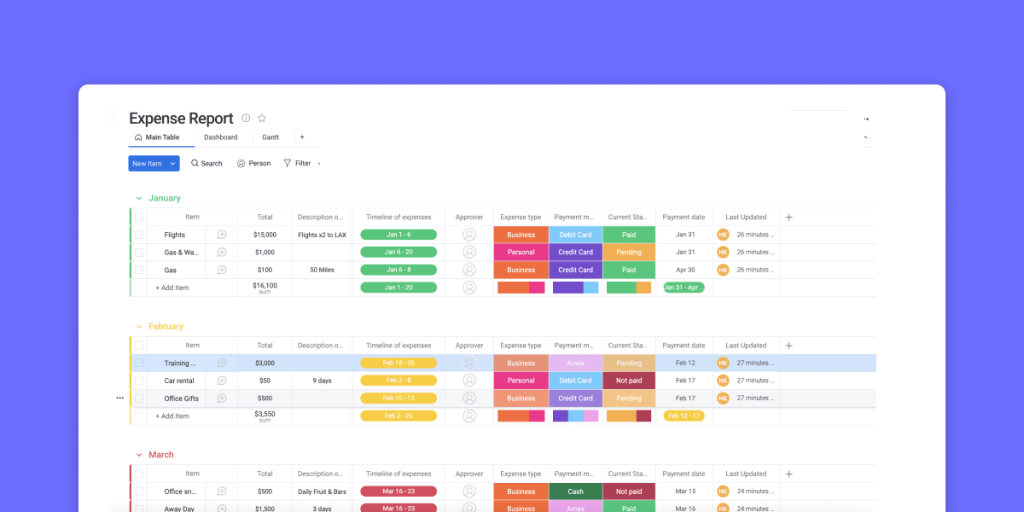
If your business is very small, a spreadsheet may also work initially. However, as your transaction volume grows, dedicated bookkeeping software can make expense tracking, reporting and reconciliation much easier.
Choose a system that allows you to categorise expenses, attach receipts and review transactions regularly.
3. Keep Your Receipts Organised
Receipts are an important part of maintaining accurate financial records. Instead of keeping paper receipts in random folders or drawers, create a simple digital filing system.
You can scan or photograph receipts and store them electronically. Many bookkeeping platforms also allow you to attach receipts directly to transactions.
Create a consistent naming or filing system so you can find documents when you need them. For example, you could organise receipts by month, expense category or financial year.
The goal is not to create a complicated filing system. It is to make finding a specific receipt quick and easy.
4. Categorise Expenses Consistently
Expense categories help you understand where your business money is going. Common categories may include advertising, office expenses, travel, insurance, software, professional services and equipment.
The exact categories you use will depend on your business and accounting requirements.
Avoid creating too many categories. If every transaction has its own category, your bookkeeping can become unnecessarily complicated.
Instead, create a practical set of categories and use them consistently. If you are unsure how a particular expense should be classified, ask your accountant or bookkeeper rather than guessing.
5. Schedule Regular Bookkeeping Time
One of the biggest reasons business expenses become overwhelming is leaving everything until the end of the month or financial year.
Instead, schedule a small amount of time each week to review your transactions.
For example, you might spend 20 to 30 minutes each Friday checking new transactions, categorising expenses and making sure receipts are attached.
Regular bookkeeping prevents a large backlog from developing. It also helps you notice unusual transactions or rising expenses sooner.
Consistency is more important than spending hours at once trying to catch up.
6. Automate Where Possible
Automation can remove many repetitive bookkeeping tasks from your workload.
Depending on your bookkeeping software, you may be able to automatically import bank transactions, create recurring transactions, send invoices, match payments and store digital receipts.
Automation does not mean you should ignore your books. You should still review transactions and check that information has been recorded correctly.
However, reducing manual data entry can save time and make your bookkeeping routine much easier to manage.
7. Review Your Expenses Each Month
Tracking expenses is not only about recording transactions. You should also review the information regularly.
At the end of each month, look at your major expense categories and compare them with previous months.
Ask yourself:
- Have any expenses increased unexpectedly?
- Are there subscriptions you no longer need?
- Are you spending more than planned?
- Are there opportunities to reduce unnecessary costs?
- Do your expenses match your business activity?
This simple monthly review can turn bookkeeping records into useful information for managing your business.
8. Know When to Get Professional Help
As your business grows, your bookkeeping needs may become more complicated. More employees, transactions, suppliers, assets and financial obligations can make DIY bookkeeping increasingly time-consuming. How to Track Business Expenses Without Getting Overwhelmed
If bookkeeping is taking you away from important business activities, consider working with a professional bookkeeper or accountant.
A professional can help you establish an appropriate bookkeeping system, maintain accurate records and identify areas that may need attention.
Getting help does not mean giving up control of your finances. It can simply give you more time to focus on running and growing your business.
Make Expense Tracking a Habit
The easiest way to track business expenses without getting overwhelmed is to make the process part of your normal business routine.
Keep business and personal spending separate, use a straightforward bookkeeping system, organise receipts, categorise transactions consistently and review your records regularly.
You do not need to become a bookkeeping expert overnight. Start with a simple system and improve it as your business grows.
Most importantly, do not wait until tax time to organise your expenses. A few minutes of bookkeeping each week can prevent hours of stressful catch-up later.
When your business expenses are organised and up to date, you have a clearer understanding of your cash flow, spending and overall financial position. That information can help you make more confident day-to-day decisions and build a stronger foundation for long-term business growth.