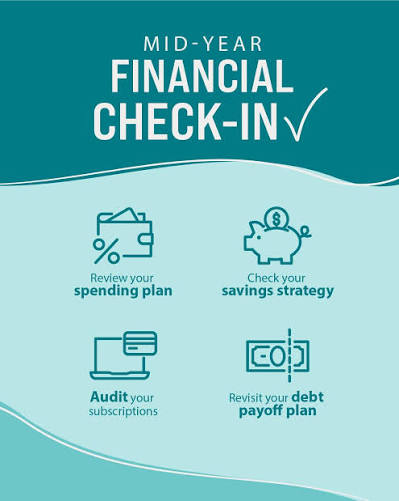
A mid-year financial health check is an essential process for business owners who want to understand their current financial position and prepare for the months ahead. While many businesses review their finances at the end of the financial year, conducting a detailed review halfway through the year provides valuable insights and allows time to make improvements before problems become serious.
A financial health check helps business owners evaluate revenue, expenses, cash flow, profitability, and overall business performance. By reviewing key financial areas regularly, businesses can make informed decisions, identify opportunities, and stay on track toward achieving their annual goals.
Whether you run a small business, startup, or growing company, a mid-year financial review can provide the clarity needed to improve financial stability and support long-term growth.
Why a Mid-Year Financial Health Check Is Important
Many business owners focus heavily on daily operations and may not have enough time to regularly analyse their financial performance. However, ignoring financial reviews can lead to missed opportunities, unexpected expenses, and cash flow challenges.
A mid-year financial health check allows you to:
- Measure progress against your yearly goals
- Identify financial challenges early
- Adjust budgets and spending plans
- Improve cash flow management
- Make better business decisions
- Prepare for upcoming tax and financial obligations
By reviewing your finances halfway through the year, you can make strategic adjustments instead of waiting until year-end when fewer options may be available.
1. Review Your Revenue and Sales Performance
The first step in a mid-year financial health check is reviewing your business revenue. Understanding how much income your business has generated compared to your expectations can help determine whether you are on track to meet your annual targets.
Review important sales metrics, including:
- Total revenue earned
- Monthly sales trends
- Best-performing products or services
- Customer acquisition rates
- Changes in customer spending patterns
Compare your current results with your previous year’s performance and your original business goals. If revenue is lower than expected, consider whether you need to improve marketing strategies, adjust pricing, expand your services, or focus on customer retention.
Understanding your revenue performance provides a clear picture of where your business stands financially.
2. Analyse Business Expenses
Managing expenses is a critical part of maintaining a healthy business. A mid-year financial review is the perfect time to examine where your money is being spent and identify opportunities to improve efficiency.
Review expenses such as:
- Rent and office costs
- Employee wages
- Software subscriptions
- Marketing expenses
- Supplier payments
- Equipment purchases
- Professional services
Look for unnecessary or outdated expenses that may be reducing your profitability. For example, unused software subscriptions or inefficient processes could be costing your business money without providing value.
However, expense reduction should be strategic. Cutting important investments that support business growth may create challenges in the future.
3. Check Your Cash Flow Position
Cash flow is one of the most important indicators of business financial health. A company can be profitable on paper but still experience difficulties if cash is not available when bills need to be paid.
During your mid-year financial health check, review:
- Money coming into the business
- Outstanding customer invoices
- Supplier payments
- Upcoming expenses
- Available cash reserves
If customers are taking too long to pay invoices, consider improving your invoicing process or introducing clearer payment terms.
Strong cash flow management helps businesses maintain financial flexibility and handle unexpected costs.
4. Review Your Profitability
Revenue growth does not always mean increased profits. A business may generate higher sales while expenses also increase, reducing the actual financial benefit.
Review your profitability by analysing:
- Gross profit margins
- Net profit
- Cost of delivering products or services
- Operating expenses
- Overall return on investment
Understanding your profit margins helps identify which areas of your business are most valuable and where improvements can be made.
If profitability is lower than expected, consider reviewing pricing strategies, improving operational efficiency, or reducing unnecessary costs.
5. Evaluate Your Budget and Financial Forecast
A budget is not a document that should only be created once a year. Businesses should regularly review and update their budgets based on actual performance.
During your mid-year financial check, compare your:
- Planned income versus actual income
- Budgeted expenses versus actual spending
- Financial goals versus current progress
If your original budget no longer reflects your business situation, make adjustments for the remaining months.
Updating your financial forecast allows you to plan more accurately and make better decisions about hiring, investments, marketing, and expansion.
6. Review Your Bookkeeping Records
Accurate bookkeeping is the foundation of effective financial management. A mid-year review is an excellent opportunity to ensure your financial records are complete, organised, and up to date.
Check that you have:
- Recorded all income and expenses
- Reconciled bank accounts
- Organised receipts and invoices
- Categorised transactions correctly
- Updated financial reports
Poor bookkeeping can result in inaccurate financial information and make it harder to understand your business performance.
Working with a professional bookkeeper or accountant can help ensure your records remain accurate and compliant throughout the year.
7. Assess Your Tax Preparation Strategy
Tax planning should be an ongoing process rather than a last-minute task. A mid-year financial health check gives business owners time to prepare for upcoming tax obligations.
Review:
- Tax payments made so far
- Potential deductions
- Business expenses
- Required financial documentation
- Upcoming deadlines
Early tax preparation can reduce stress, improve financial planning, and help prevent unexpected tax liabilities.
8. Review Business Debt and Financial Commitments
Debt management is another important area to review during a mid-year financial check. Understanding your current financial obligations can help you make better decisions about future borrowing and investments.
Review:
- Business loans
- Credit card balances
- Equipment financing
- Supplier debts
- Interest costs
Consider whether your current debt levels are manageable and whether repayment strategies need to be adjusted.
Reducing unnecessary debt can improve financial stability and create more opportunities for business growth.
9. Measure Progress Toward Financial Goals
A successful mid-year financial health check should always include a review of your business goals.
Ask yourself:
- Are you meeting your revenue targets?
- Are expenses within your planned budget?
- Has profitability improved?
- Are you achieving your growth objectives?
If your business is not progressing as expected, use this information to create new strategies for the second half of the year.
Financial goals should be measurable, realistic, and regularly reviewed to remain effective.
10. Create an Action Plan for the Second Half of the Year
The final step of your mid-year financial review is turning your findings into action.
Based on your results, create a plan that includes:
- Financial priorities
- Cost-saving opportunities
- Revenue growth strategies
- Cash flow improvements
- Updated business goals
A clear action plan ensures that your financial review leads to meaningful improvements rather than simply becoming a report that gets forgotten.
Final Thoughts: Make Financial Reviews Part of Your Business Strategy
A mid-year financial health check gives business owners the opportunity to evaluate performance, identify challenges, and make adjustments before the year ends. Reviewing revenue, expenses, cash flow, profitability, bookkeeping, and financial goals can help create a stronger foundation for future success.
Financial management is an ongoing process, not a once-a-year activity. Businesses that regularly review their finances are better positioned to make informed decisions, improve profitability, and achieve sustainable growth.
By completing a mid-year financial review, you can gain greater control over your finances and confidently plan for the months ahead.