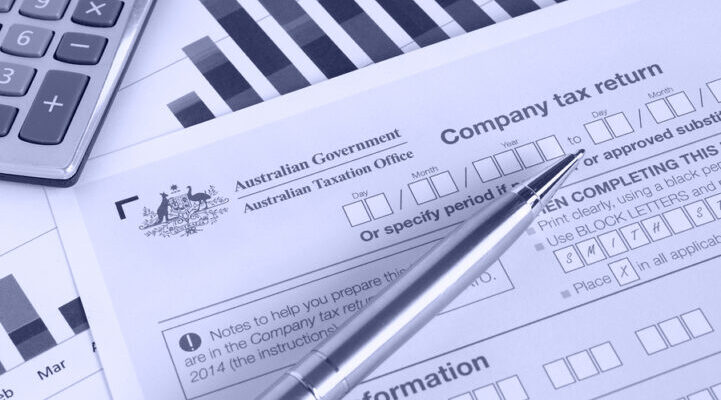
Running a small business comes with many responsibilities, and one of the most critical is managing taxes correctly. Even small errors on tax returns can draw attention from the tax authorities and potentially trigger an audit. Understanding common small business tax mistakes and how to avoid them is essential for keeping your business compliant and minimizing stress. Small Business Tax Mistakes That Trigger Audits
This guide will explore the most frequent tax mistakes small businesses make, why they increase audit risk, and practical strategies to prevent them. By following these tips, you can reduce errors, avoid penalties, and maintain financial peace of mind.
Why Small Businesses Are at Higher Audit Risk
Small businesses often face increased scrutiny from tax authorities because:
- Income can be inconsistent or difficult to track
- Owners sometimes mix personal and business expenses
- Many deductions and credits are subjective
- Tax reporting errors are more common in smaller operations
While most small businesses act in good faith, even minor mistakes can raise red flags. Being proactive and accurate is key to reducing audit risk. Small Business Tax Mistakes That Trigger Audits
1. Failing to Keep Accurate Records
One of the most common mistakes that trigger audits is poor record-keeping. Accurate, well-organized records are essential for:
- Supporting deductions and claims
- Demonstrating compliance during an audit
- Managing cash flow and financial decisions
Small businesses should keep documentation for:
- Invoices and receipts
- Bank statements
- Payroll records
- Expense reports
Digital accounting software can simplify record-keeping and ensure all financial transactions are tracked accurately.
2. Mixing Personal and Business Expenses
Using business accounts for personal expenses—or vice versa—is a red flag for tax authorities. Common examples include:
- Paying personal bills from the business account
- Claiming personal expenses as business deductions
- Using business credit cards for non-business purchases
To prevent this, maintain separate bank accounts and credit cards for personal and business use. Clearly categorize transactions in your accounting system to avoid confusion.
3. Overstating or Misclassifying Expenses
Inflating expenses or incorrectly classifying them is a major cause of audit triggers. Small businesses sometimes:
- Claim non-deductible items as business expenses
- Mislabel personal expenses as business costs
- Overstate deductions for travel, meals, or home office
Always ensure that deductions are legitimate, properly documented, and directly related to the business. When in doubt, consult a tax professional before claiming unusual expenses.
4. Failing to Report All Income
Underreporting income—intentionally or not—is a significant audit risk. Common income reporting mistakes include:
- Forgetting side income from freelance work
- Not including cash payments
- Missing payments processed through online platforms
Use accounting software to track all sources of revenue and reconcile bank deposits regularly. Accurate income reporting is crucial for compliance and avoiding penalties.
5. Incorrectly Handling Payroll Taxes
Payroll taxes are complex and frequently audited. Small business mistakes include:
- Misclassifying employees as independent contractors
- Failing to withhold the correct income tax or social security contributions
- Late payroll tax payments
Ensure you understand employee classification rules and remit payroll taxes on time. Errors in payroll reporting are a common audit trigger.
6. Claiming Excessive Home Office Deductions
Home office deductions are valuable but often scrutinized. Common mistakes include:
- Claiming space not used primarily for business
- Including personal household expenses in the claim
- Overestimating the portion of your home used for work
To claim a home office deduction safely:
- Measure the actual area used exclusively for business
- Keep utility and rent receipts
- Maintain a log of time spent working in the home office
Proper documentation reduces the likelihood of audit challenges.
7. Improper Inventory Reporting
Businesses that sell physical products must accurately track inventory. Mistakes include:
- Overstating inventory to reduce taxable income
- Misreporting cost of goods sold (COGS)
- Failing to account for damaged or obsolete stock
Use consistent inventory methods and maintain records of purchases, sales, and stock adjustments to avoid discrepancies.
8. Failing to Pay Estimated Taxes
Small businesses often face quarterly estimated tax obligations. Failing to pay or underpaying can lead to:
- Interest and penalties
- Red flags for audits
- Increased stress at year-end
Calculate estimated taxes accurately and make timely payments to reduce audit risk and avoid large year-end bills.
9. Ignoring Changes in Tax Laws
Tax laws for small businesses change frequently. Common mistakes include:
- Using outdated deduction rules
- Missing new tax credits or incentives
- Miscalculating depreciation or asset write-offs
Stay informed through tax updates, professional advisories, or consultation with a CPA to ensure compliance with current rules.
10. Relying Solely on DIY Tax Preparation
While many small businesses attempt to prepare their own taxes, DIY filings can result in errors that trigger audits. Complexities such as:
- Multi-state sales taxes
- Employee benefits
- Depreciation schedules
- Retirement contribution reporting
…can be challenging without professional guidance. Working with a qualified accountant or tax professional reduces errors and audit risk.
How to Reduce Audit Risk
Implementing a few proactive strategies can significantly lower the likelihood of an audit:
- Keep detailed and organized records – receipts, invoices, and bank statements
- Separate personal and business finances – dedicated accounts and credit cards
- Document all deductions – maintain logs for travel, meals, and home office
- Report all income – reconcile records and bank deposits regularly
- Stay current with tax laws – subscribe to updates or consult a tax professional
- Pay estimated taxes on time – avoid penalties and interest
A disciplined approach to tax reporting is one of the most effective ways to prevent audits.
Final Thoughts
Understanding small business tax mistakes that trigger audits is crucial for every entrepreneur. By maintaining accurate records, separating finances, correctly classifying expenses, and staying informed about tax laws, you can reduce audit risk and ensure compliance.
Proactive planning, documentation, and consultation with a tax professional not only protect your business from audits but also help you maximise deductions and keep more of your hard-earned money.
Tax season doesn’t have to be stressful. With the right strategies, it can become an opportunity to strengthen your business’s financial health while avoiding common pitfalls.