Statutory reporting is no longer a static, once-a-year compliance exercise. As regulatory requirements continue to evolve across jurisdictions, organisations are operating in a shifting regulatory landscape where change is frequent, complex, and unavoidable. For finance, compliance, and governance teams, statutory reporting now demands greater agility, accuracy, and strategic oversight than ever before.
This article explores how regulatory change is reshaping statutory reporting, the challenges organisations face, and how businesses can adapt their reporting processes to remain compliant and future-ready.
Understanding Statutory Reporting
Statutory reporting refers to the mandatory financial and regulatory reports that organisations are legally required to prepare and submit to government authorities, regulators, and other statutory bodies. These requirements vary by country and industry but commonly include:
- Annual and interim financial statements
- Tax and regulatory filings
- Entity-level statutory accounts
- Governance, risk, and compliance disclosures
The primary objective of statutory reporting is to ensure regulatory compliance, transparency, and accountability. Failure to comply can lead to fines, sanctions, reputational damage, and increased regulatory scrutiny.
Why the Regulatory Landscape Is Shifting
The regulatory environment is changing at an unprecedented pace, driven by several global and local factors.
Globalisation and Regulatory Alignment
As businesses expand across borders, regulators are working to align reporting standards and reduce systemic risk. This has resulted in frequent updates to statutory reporting frameworks and increased coordination between regulatory bodies.
Increased Regulatory Scrutiny
Following financial crises, corporate failures, and governance scandals, regulators are placing greater emphasis on transparency, accuracy, and accountability in statutory reporting.
Digital Transformation
The move toward digital reporting, data standardisation, and electronic submissions has prompted regulators to update both the content and format of statutory reports.
Expansion of ESG and Non-Financial Reporting
Environmental, Social, and Governance (ESG) requirements are becoming a core part of statutory reporting, adding new disclosure obligations and increasing reporting complexity.
The Impact of Regulatory Change on Statutory Reporting
Greater Reporting Complexity
New regulations often introduce additional disclosures, revised accounting treatments, or new reporting templates. For statutory reporting teams, this increases the volume and complexity of data required.
Increased Compliance Risk
As regulations change, organisations face a higher risk of misinterpretation or non-compliance—particularly when operating across multiple jurisdictions with differing requirements.
Pressure on Timelines and Resources
Regulatory updates frequently come with tight implementation timelines, placing pressure on finance and compliance teams already managing multiple reporting cycles.
Higher Audit and Review Requirements
More complex regulations typically result in deeper audit scrutiny, requiring stronger documentation, controls, and audit trails within statutory reporting processes.
Key Challenges for Organisations
Many organisations struggle to adapt statutory reporting processes to a shifting regulatory landscape due to common structural and operational challenges.
Reliance on Manual Processes
Spreadsheet-driven reporting makes it difficult to respond quickly to regulatory change and increases the risk of errors and inconsistencies.
Fragmented Reporting Across Entities
Decentralised reporting structures often result in inconsistent application of regulations across subsidiaries and jurisdictions.
Limited Regulatory Visibility
Without a central view of regulatory requirements, organisations may miss updates or apply changes too late in the reporting cycle.
Knowledge Silos
Statutory reporting expertise is often concentrated in a small number of individuals, creating risk when regulations change or staff turnover occurs.
Best Practices for Managing Statutory Reporting in a Changing Environment
1. Monitor Regulatory Developments Continuously
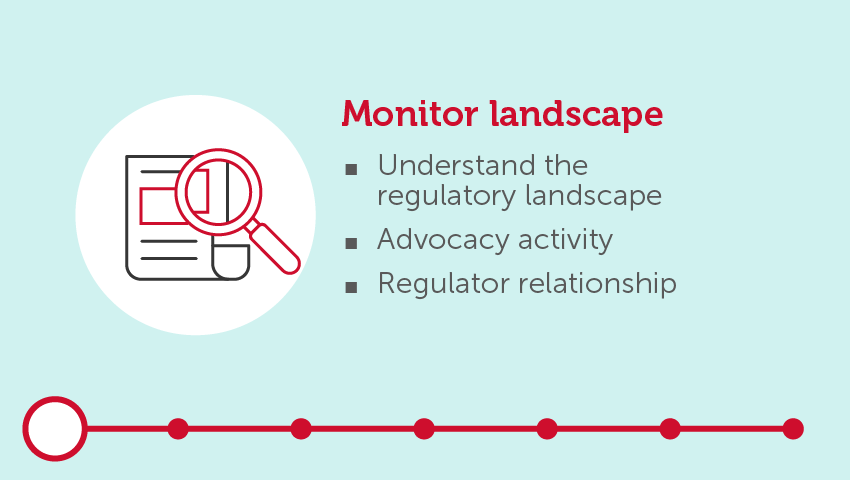
Organisations should treat regulatory monitoring as an ongoing activity, not a periodic task. Early awareness allows statutory reporting teams to plan, test, and implement changes effectively.
2. Standardise Reporting Frameworks
Standardised charts of accounts, templates, and reporting policies make it easier to apply regulatory changes consistently across entities.
3. Strengthen Governance and Controls
Clear ownership, documented procedures, and strong internal controls are essential for maintaining compliance in a shifting regulatory landscape.
4. Improve Collaboration Between Teams
Close collaboration between finance, compliance, tax, and legal teams ensures regulatory changes are interpreted correctly and reflected accurately in statutory reports.
The Role of Technology in Modern Statutory Reporting
Technology has become a critical enabler for managing statutory reporting amid ongoing regulatory change.
Modern statutory reporting solutions can:
- Centralise data and reporting across jurisdictions
- Automate calculations, validations, and disclosures
- Provide audit trails and version control
- Enable faster updates when regulations change
- Reduce reliance on manual spreadsheets
By leveraging technology, organisations can increase efficiency, reduce risk, and improve confidence in statutory reporting outcomes.
Preparing for the Future Regulatory Landscape
The pace of regulatory change shows no sign of slowing. Looking ahead, organisations should expect:
- More frequent updates to statutory reporting requirements
- Increased digitisation and real-time regulatory reporting
- Broader ESG and sustainability disclosure mandates
- Greater enforcement and regulatory scrutiny
To prepare, statutory reporting must be positioned as a strategic function, supported by scalable processes, skilled teams, and adaptable systems.
Turning Regulatory Change into a Strategic Advantage
While regulatory change can be challenging, it also presents an opportunity to modernise statutory reporting. Organisations that invest in robust reporting frameworks can benefit from:
- Improved data accuracy and consistency
- Stronger governance and compliance controls
- Reduced audit risk and remediation costs
- Increased transparency for stakeholders
By proactively adapting to a shifting regulatory landscape, statutory reporting teams can move from reactive compliance to strategic value creation.
Conclusion
Statutory reporting in a shifting regulatory landscape requires more than technical expertise—it demands agility, visibility, and forward planning. As regulations continue to evolve, organisations must rethink traditional reporting approaches and adopt more resilient, technology-enabled processes.
Those that successfully navigate regulatory change will not only remain compliant but also build stronger, more transparent reporting frameworks that support long-term business confidence and growth.