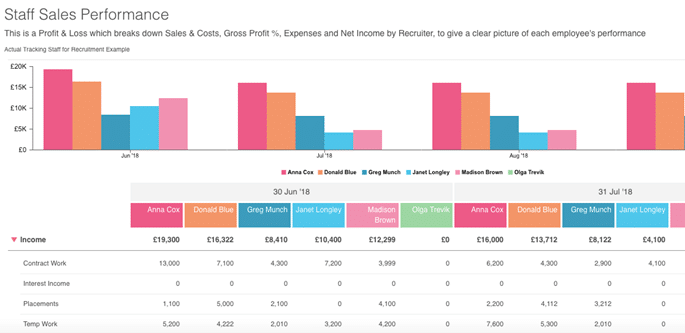
For many business owners, financial reports can feel overwhelming. You might be unsure what to track, what’s truly useful, and what’s just unnecessary detail. That’s where management accounts come in—they provide the information you need to make decisions, without drowning you in numbers. The Basics of Management Accounts: What to Include and What to Ignore
In this guide, we’ll explain the basics of management accounts, focusing on what to include and what to ignore, so you can create reports that are practical, actionable, and easy to understand.
What Are Management Accounts?
Management accounts are internal financial reports produced regularly—usually monthly or quarterly—to provide insight into how a business is performing. Unlike statutory accounts prepared for tax authorities, management accounts are meant for decision-making, planning, and control.
They give answers to questions like:
- Are we profitable this month?
- How is cash flow trending?
- Which areas of the business are performing well?
- Where should we focus our resources?
The goal is clarity, not compliance.
Why Management Accounts Matter
Management accounts are important because they provide timely, relevant financial information. Many small businesses fail not because of poor sales but because they lack visibility into their finances.
Key benefits include:
- Better decision-making – Know what you can afford and where to invest
- Cash flow control – Avoid surprises and ensure bills are paid
- Early problem detection – Identify issues before they escalate
- Performance tracking – Monitor growth and profitability
- Confidence in planning – Make informed strategic decisions
By focusing on useful information, management accounts transform accounting from a technical task into a practical business tool.
Core Components to Include in Management Accounts
While management accounts can be tailored, certain reports are considered essential. Including these ensures your reports provide value without unnecessary complexity.
1. Profit and Loss Statement (P&L)
The P&L is the backbone of any management account. It shows your income, expenses, and profit over a specific period.
What to include:
- Revenue from sales or services
- Cost of sales (direct costs)
- Operating expenses (rent, salaries, utilities)
- Net profit or loss
Tip: Compare against previous months or budgeted figures to spot trends and variances.
2. Cash Flow Statement
Cash flow is the lifeblood of any business. A cash flow statement shows how money moves in and out, helping you avoid shortfalls.
What to include:
- Cash received from customers
- Cash paid to suppliers and employees
- Loan repayments or other financial transactions
- Opening and closing cash balances
Why it matters: Profit doesn’t always mean cash is available. Monitoring cash flow prevents liquidity problems.
3. Balance Sheet
The balance sheet is a snapshot of your financial position at a point in time. It shows what the business owns and owes.
What to include:
- Assets (cash, inventory, equipment)
- Liabilities (loans, payables)
- Owner’s equity
Why it matters: A balance sheet shows your overall financial health and ability to invest, borrow, or plan for growth.
4. Key Performance Indicators (KPIs)
KPIs turn raw numbers into actionable insights. They help you track performance in ways that matter most for your business.
Examples to include:
- Gross profit margin
- Operating expenses as a percentage of revenue
- Customer acquisition or retention rates
- Sales growth or recurring revenue
Tip: Choose 3–5 KPIs relevant to your business. Too many metrics can confuse rather than clarify.
What to Ignore in Management Accounts
While detail can be useful, not all financial information belongs in management accounts. Avoid including:
- Too much transactional detail – Don’t list every invoice or receipt; summarise totals instead.
- Non-essential metrics – Only include KPIs that inform decisions. Avoid vanity metrics.
- Historical compliance data – Tax calculations, payroll filings, or statutory accounts don’t need to clutter internal reports.
- Overly complex accounting entries – You don’t need journal-level detail for decision-making.
Rule of thumb: If a number doesn’t help you make a business decision, it probably doesn’t belong in your management accounts.
How to Create Management Accounts Without Accounting Expertise
Even if you’re not an accountant, you can create management accounts by following a few practical steps:
Step 1: Keep Accurate Records
Accurate management accounts start with good bookkeeping. Ensure:
- All income and expenses are recorded
- Bank accounts are reconciled regularly
- Transactions are categorised consistently
Using software like Xero, QuickBooks, or Wave can simplify this step.
Step 2: Choose a Simple Format
Start with a straightforward layout that includes:
- P&L statement
- Cash flow statement
- Balance sheet
- Selected KPIs
Spreadsheets or basic accounting software templates work well for beginners.
Step 3: Set a Reporting Schedule
Most businesses produce management accounts monthly. Some smaller businesses may start with quarterly reports.
Tip: Consistency is more important than frequency. Monthly reporting gives timely insight and helps track trends.
Step 4: Compare Results
Management accounts are most useful when you compare:
- Current performance vs previous periods
- Actual results vs budget or forecast
- KPIs vs targets
This comparison highlights areas needing attention and supports better decision-making.
Step 5: Review and Act
Creating reports is only half the work. Review your management accounts each month and use the insights to:
- Adjust pricing or costs
- Plan investments or hiring
- Monitor cash flow trends
- Identify growth opportunities
Tip: Even a short monthly review meeting can make management accounts actionable.
Common Mistakes to Avoid
- Ignoring cash flow – Profit does not equal cash.
- Overloading reports with detail – Keep it simple and actionable.
- Reviewing too late – Timely reports are more useful.
- Tracking irrelevant KPIs – Focus only on what drives decisions.
- Neglecting trends – Look at results over time, not just one month.
Avoiding these mistakes ensures management accounts are a practical tool rather than a burden.
Final Thoughts
The basics of management accounts are simple: include only what helps you make better decisions, monitor performance, and control cash flow, and ignore everything else that adds unnecessary complexity.
By focusing on:
- P&L statements
- Cash flow reports
- Balance sheets
- Key KPIs
…you can create management accounts that are clear, actionable, and useful—even if you’re not an accountant.
Management accounts are not just about numbers; they are about giving business owners the insight and confidence to run, grow, and improve their business.