Understanding your business profitability is essential for making informed decisions, securing investments, and ensuring long-term success. Accurate measurement of profits isn’t just for accountants—it’s a critical tool for every business owner. This guide will walk you through the essentials of measuring profitability, the key metrics to track, and how bookkeeping plays a pivotal role in your financial health. The Bookkeeper’s Guide to Measuring Business Profitability Accurately
Why Measuring Profitability Matters
Profitability is the true indicator of business health. Without an accurate measure of profits, you might be making decisions based on incomplete or misleading financial data. Bookkeeping provides the framework to track revenue, costs, and expenses, allowing you to:
- Identify which products or services are most profitable
- Make strategic investment decisions
- Plan for growth and sustainability
- Avoid financial pitfalls caused by hidden costs
Measuring profitability accurately is not just about looking at your bank balance—it’s about understanding the complete financial picture.
Key Profitability Metrics Every Business Should Track
To measure profitability effectively, bookkeepers and business owners should focus on several key metrics:
1. Gross Profit Margin
Gross profit margin shows how efficiently your business is producing and selling goods or services. It is calculated as:Gross Profit Margin=RevenueRevenue−Cost of Goods Sold×100
A higher gross profit margin indicates that your products or services are generating strong revenue relative to the costs of producing them. Bookkeepers should monitor this metric regularly to identify pricing or production inefficiencies.
2. Net Profit Margin
Net profit margin measures the overall profitability of your business after accounting for all expenses, taxes, and interest. The formula is:Net Profit Margin=RevenueNet Profit×100
This metric provides insight into your business’s ability to convert revenue into actual profit and helps track long-term financial performance.
3. Operating Profit Margin
Operating profit margin focuses on profits generated from core business operations, excluding non-operational revenue or expenses. It’s a useful measure for understanding operational efficiency.Operating Profit Margin=RevenueOperating Income×100
Bookkeepers should track this to identify areas where operational costs can be reduced to improve profitability.
4. Return on Assets (ROA)
ROA evaluates how efficiently your business is using its assets to generate profit:ROA=Total AssetsNet Income×100
This metric helps assess how well your resources are being utilized and whether investments in equipment or inventory are paying off.
5. Return on Equity (ROE)
ROE measures profitability relative to shareholders’ equity:ROE=Shareholders’ EquityNet Income×100
A strong ROE indicates your business is effectively using invested capital to generate profits.
How Accurate Bookkeeping Supports Profitability Measurement
Accurate bookkeeping is the foundation of reliable profitability analysis. Without organized financial records, your metrics will be skewed, leading to poor decision-making. Here’s how proper bookkeeping helps:
1. Tracking Revenue Accurately
Bookkeeping ensures all sources of income are recorded, categorized, and reconciled. This prevents overlooked sales or underreported revenue, which could distort profitability calculations.
2. Recording Expenses Properly
Expenses are as critical as revenue in determining profit. Bookkeepers must categorize expenses correctly—fixed vs. variable, operational vs. non-operational—to ensure accurate margin calculations.
3. Reconciling Accounts Regularly
Bank reconciliation ensures that your financial records match actual cash flow. This reduces errors, prevents fraud, and ensures that your profitability metrics reflect reality.
4. Using Software for Efficiency
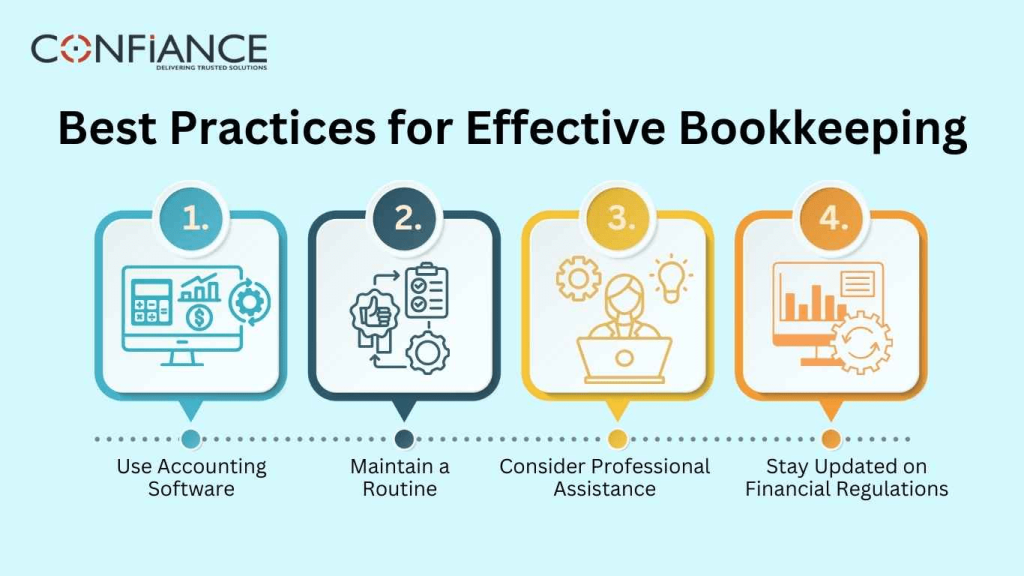
Modern accounting software automates many bookkeeping tasks, provides real-time financial data, and generates reports for profitability analysis. Tools like QuickBooks, Xero, or Wave can streamline this process significantly.
Step-by-Step Process to Measure Profitability Accurately
Measuring profitability doesn’t have to be complicated. Follow these steps for an accurate analysis:
Step 1: Gather Financial Statements
Start with your balance sheet, income statement, and cash flow statement. These documents provide the raw data needed to calculate profitability metrics.
Step 2: Calculate Key Metrics
Use the formulas for gross profit margin, net profit margin, operating margin, ROA, and ROE to evaluate performance. Make sure to consistently use the same accounting methods to maintain accuracy.
Step 3: Compare Against Benchmarks
Compare your metrics against industry standards or historical performance. This provides context for your profitability and highlights areas that need attention.
Step 4: Identify Trends
Look at trends over time rather than isolated monthly results. Long-term trends reveal whether your profitability is improving, stagnating, or declining.
Step 5: Adjust Business Strategy
Use your findings to make informed decisions. For example, if gross profit margin is low, consider adjusting pricing, reducing costs, or focusing on higher-margin products.
Common Mistakes That Can Skew Profitability Measurement
Even with accurate bookkeeping, mistakes can occur. Avoid these common pitfalls:
- Mixing personal and business expenses: This can inflate expenses and reduce apparent profitability.
- Ignoring non-cash expenses: Depreciation and amortization impact net profit but not cash flow.
- Overlooking hidden costs: Employee benefits, shipping, or maintenance costs must be included.
- Using inconsistent accounting methods: Switching between cash and accrual accounting without adjustments can distort results.
Tips for Bookkeepers to Ensure Accuracy
- Regularly review financial statements: Don’t wait until year-end. Monthly reviews catch errors early.
- Automate where possible: Accounting software can reduce manual errors.
- Reconcile accounts frequently: Weekly or monthly reconciliation ensures that financial records are accurate.
- Document everything: Keep receipts, invoices, and financial records organized.
Conclusion
Measuring business profitability accurately is essential for sustainable growth. By focusing on key metrics, maintaining precise bookkeeping, and avoiding common errors, businesses can gain a clear understanding of their financial health. Proper bookkeeping is not just an administrative task—it’s a strategic tool that helps owners make informed decisions, improve margins, and drive long-term success.
By following this guide, bookkeepers and business owners alike can ensure that their profitability measurements are both accurate and actionable, paving the way for smarter financial management and stronger business outcomes. The Bookkeeper’s Guide to Measuring Business Profitability Accurately