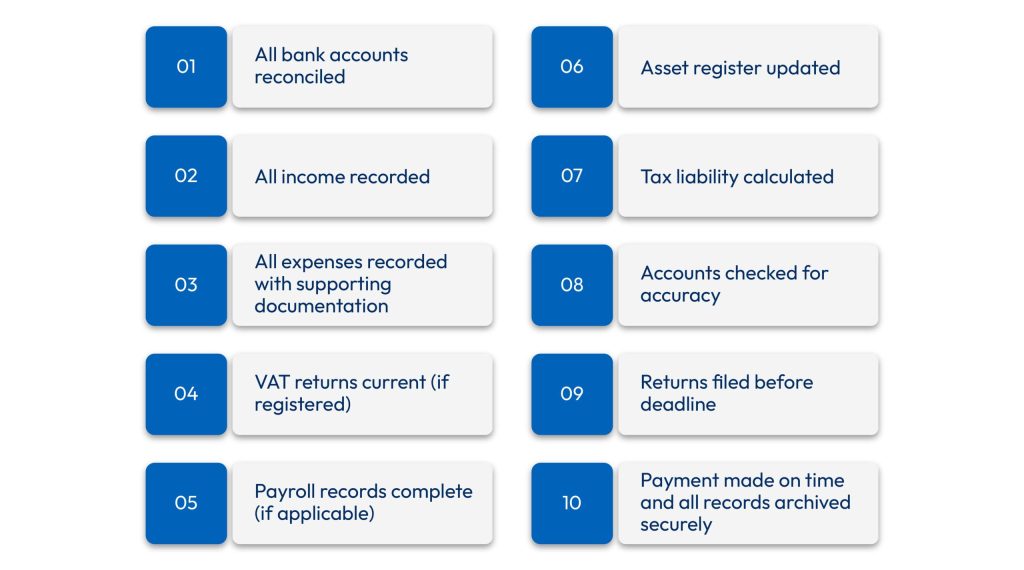
Preparing business reports before tax time is one of the most important steps a business can take to ensure compliance, accuracy, and financial stability. Yet many businesses leave report preparation until the last minute, turning tax season into a stressful and reactive process. The Ideal Timeline for Business Report Preparation Before Tax Time
The reality is that tax time success depends heavily on when you prepare your business reports, not just how. Establishing a clear, structured timeline allows businesses to avoid errors, maximise deductions, and make informed decisions well before tax deadlines arrive.
This article outlines the ideal timeline for business report preparation before tax time, explains what reports should be prepared at each stage, and shows how early planning can save time, money, and stress.
Why a Timeline for Business Report Preparation Matters
Business reports provide the financial data used to calculate tax obligations. These reports include income statements, balance sheets, cash flow statements, payroll records, and expense summaries. Without a timeline, businesses often rush this process, increasing the risk of mistakes.
A structured reporting timeline helps businesses:
- Maintain accurate financial records
- Reduce last-minute corrections
- Avoid penalties and compliance issues
- Identify tax-saving opportunities early
- Improve overall financial management
From both an operational and tax perspective, timing is a key factor in effective business reporting.
The Ideal Timeline: Preparing Business Reports Step by Step
Year-Round: Ongoing Financial Record-Keeping
The most effective approach to business report preparation begins throughout the year, not just before tax time. Regular bookkeeping ensures that financial data is always current and reliable.
During the year, businesses should:
- Record income and expenses consistently
- Reconcile bank and credit card accounts monthly
- Store receipts and invoices securely
- Monitor cash flow and profitability
This ongoing process forms the foundation of accurate business reports and reduces the workload as tax time approaches.
Six Months Before Tax Time: Review and Clean Up Records
Approximately six months before tax time, businesses should begin reviewing their financial records in detail. This is the ideal stage to identify gaps, errors, or inconsistencies that could affect reporting later.
Key actions during this phase include:
- Reviewing bookkeeping accuracy
- Catching up on any missing data
- Correcting misclassified transactions
- Reconciling outstanding accounts
Starting this process early allows businesses to address issues without pressure and ensures reports are built on clean, reliable data.
Three to Four Months Before Tax Time: Generate Draft Reports
Around three to four months before tax time, businesses should begin generating draft business reports. These preliminary reports help identify potential tax issues while there is still time to act.
At this stage, businesses should prepare:
- Draft profit and loss statements
- Preliminary balance sheets
- Cash flow summaries
- Payroll and contractor payment reports
Draft reports provide visibility into financial performance and allow business owners to ask informed questions of their accountant or tax advisor.
Two Months Before Tax Time: Review and Optimise
Approximately two months before tax time, businesses should focus on reviewing and refining their reports. This phase is critical for ensuring accuracy and identifying tax-saving opportunities.
During this period, businesses should:
- Review expense categories for accuracy
- Confirm deductible expenses are properly recorded
- Ensure depreciation and asset records are up to date
- Verify payroll tax and superannuation obligations
This is also the ideal time to discuss tax planning strategies with a professional, as many opportunities must be addressed before the end of the financial year.
One Month Before Tax Time: Finalise Reports
In the final one month before tax time, business reports should move from draft to final status. At this stage, the focus shifts from preparation to confirmation.
Final steps include:
- Locking in profit and loss statements
- Confirming balance sheet accuracy
- Ensuring all supporting documentation is available
- Addressing any outstanding questions from advisors
By this point, businesses that followed the timeline should have minimal stress and few surprises.
Tax Time: Submission and Compliance
When tax time arrives, businesses that prepared reports early are well-positioned for a smooth filing process. Reports can be submitted promptly, and any follow-up requests can be handled quickly.
At this stage, businesses should:
- Submit final reports to their accountant or tax agent
- Review tax returns for accuracy
- Meet all filing and payment deadlines
- Store reports securely for future reference
Tax time becomes a compliance task rather than a financial emergency.
Key Business Reports to Prepare Before Tax Time
Profit and Loss Statement
The profit and loss statement summarises income, expenses, and net profit. Preparing this report early allows businesses to identify trends, unusual expenses, and potential errors that could affect taxable income.
Balance Sheet
The balance sheet provides a snapshot of assets, liabilities, and equity. Tax authorities often review this report to ensure consistency across filings, making accuracy essential.
Cash Flow Statement
Cash flow reports help explain timing differences between income and expenses. Reviewing cash flow before tax time can prevent misunderstandings and support financial planning.
Payroll and Contractor Reports
Payroll records, tax withholdings, and contractor payments must be accurate and compliant. Early preparation reduces the risk of penalties related to late or incorrect reporting.
Common Mistakes When Businesses Ignore a Reporting Timeline
Businesses that fail to follow a structured timeline often experience:
- Rushed and inaccurate reports
- Missed deductions and credits
- Increased reliance on emergency accounting support
- Higher risk of audits or penalties
- Poor cash flow planning for tax payments
These issues are rarely caused by complexity alone — they are usually the result of delayed preparation.
How Technology Supports Timely Business Reporting
Modern accounting software plays a key role in maintaining an effective reporting timeline. Cloud-based tools allow businesses to track financial data in real time and generate reports quickly.
Technology can help businesses:
- Automate transaction recording
- Reduce manual errors
- Generate reports instantly
- Share data securely with advisors
While technology doesn’t replace professional advice, it significantly improves efficiency and accuracy throughout the reporting process.
Final Thoughts: The Ideal Timeline for Business Report Preparation Before Tax Time
The ideal timeline for business report preparation before tax time starts well before tax season begins. Businesses that maintain year-round records and begin structured preparation six months in advance experience fewer errors, lower stress, and better financial outcomes.
At a minimum, businesses should start preparing reports three to six months before tax time. However, those that treat reporting as an ongoing process gain the greatest advantage — turning tax time into a predictable, manageable task rather than a last-minute scramble.
With the right timeline in place, business report preparation becomes a tool for smarter decision-making, not just a compliance obligation.