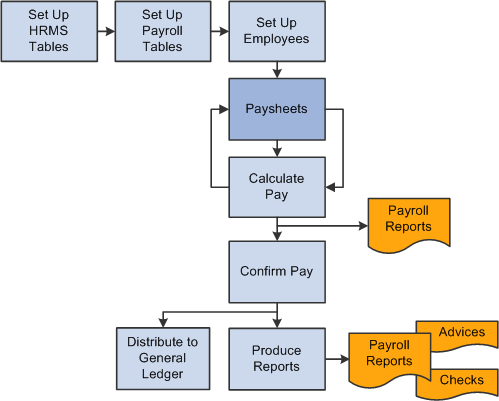
Payroll is one of the most important operational functions in any organization. While employees focus on receiving their paychecks on time, business owners and HR teams understand that a detailed, structured system operates behind the scenes. From collecting employee data to calculating taxes and processing payments, the payroll process involves multiple steps to ensure accuracy and compliance. The Payroll Process Explained: What Happens Before Employees Get Paid
In this comprehensive guide, we’ll break down the payroll process explained step by step, highlighting exactly what happens before employees get paid and how businesses can optimize payroll operations for efficiency and compliance.
Why Understanding the Payroll Process Matters
Before diving into the details, it’s important to understand why payroll management is critical for business success.
An effective payroll process ensures:
- Employees are paid accurately and on time
- Payroll taxes are withheld and remitted correctly
- Benefits and deductions are processed properly
- Labor laws and tax regulations are followed
- Financial records remain accurate
Errors in payroll can result in compliance penalties, financial discrepancies, and reduced employee trust. That’s why understanding what happens before employees get paid is essential for every business owner.
Step 1: Employee Onboarding and Data Collection
The payroll process begins long before the first paycheck is issued. During onboarding, employers collect critical employee information required for payroll setup.
This typically includes:
- Full legal name and address
- Tax identification number
- Tax withholding forms
- Bank account details for direct deposit
- Salary or hourly wage agreement
- Benefits enrollment forms
Accurate employee data ensures payroll calculations are correct from the start. Any missing or incorrect information can cause tax errors or delayed payments.
Step 2: Establishing the Payroll Schedule
Before processing payroll, businesses must determine how often employees will be paid.
Common payroll schedules include:
- Weekly
- Biweekly
- Semi-monthly
- Monthly
The chosen schedule affects cash flow planning, tax reporting timelines, and administrative workload. Consistency is key to maintaining employee satisfaction and regulatory compliance.
Step 3: Time and Attendance Tracking
For hourly employees, time tracking is a core part of payroll processing. Even for salaried staff, tracking paid time off (PTO), sick leave, and overtime may be required.
Employers use various systems to track work hours, such as:
- Digital time tracking software
- Biometric clock-in systems
- Manual timesheets
- Integrated HR and payroll systems
Before payroll calculations begin, timesheets must be reviewed and approved by managers to ensure:
- Hours worked are accurate
- Overtime is properly recorded
- Leave balances are correct
This step lays the foundation for accurate wage calculation.
Step 4: Calculating Gross Pay
Gross pay represents the total amount an employee earns before deductions.
For hourly employees:
- Hours worked × hourly rate
- Overtime hours × overtime rate
For salaried employees:
- Annual salary ÷ number of pay periods
Gross pay may also include:
- Bonuses
- Commissions
- Shift differentials
- Holiday pay
Accurate gross pay calculation is crucial because it determines tax withholdings and employer payroll tax obligations.
Step 5: Calculating Payroll Taxes
Once gross pay is determined, payroll systems calculate required tax withholdings.
Mandatory payroll tax deductions typically include:
- Federal income tax
- State or local income taxes
- Social security contributions
- Medicare contributions
Employers must use up-to-date tax tables and employee withholding information to ensure compliance. Payroll software often automates these calculations to reduce human error.
In addition to employee withholdings, employers must calculate and contribute employer-side payroll taxes, which are separate financial obligations. The Payroll Process Explained: What Happens Before Employees Get Paid
Step 6: Processing Benefits and Other Deductions
Beyond taxes, payroll processing includes voluntary and required deductions.
These may include:
- Health insurance premiums
- Retirement plan contributions
- Life insurance
- Wage garnishments
- Union dues
Some deductions are pre-tax, while others are post-tax. Payroll systems must correctly categorize and apply each deduction to ensure compliance and accurate net pay.
Incorrect handling of benefits deductions can impact employee coverage and create legal complications.
Step 7: Reviewing and Approving Payroll
Before employees get paid, payroll data undergoes review and approval.
This quality control step helps identify:
- Calculation errors
- Missing hours
- Duplicate payments
- Incorrect deductions
- Tax miscalculations
Many organizations implement a two-level approval system to reduce errors and prevent fraud. Careful payroll review protects the business from costly corrections and compliance issues.
Step 8: Calculating Net Pay
After all deductions are applied, payroll systems calculate net pay.
The formula is:
Net Pay = Gross Pay – Taxes – Deductions
Net pay is the amount employees receive in their bank accounts or on their paychecks. Providing detailed pay stubs improves transparency and allows employees to understand their earnings and deductions.
Step 9: Distributing Employee Payments
Once payroll is finalized and approved, payments are distributed.
Most businesses use:
- Direct deposit
- Payroll cards
- Paper checks
Direct deposit is the preferred method due to its efficiency and security. Payroll systems generate electronic payment files that are transmitted to financial institutions for processing.
Employers must ensure sufficient funds are available to cover payroll expenses before releasing payments.
Step 10: Filing Payroll Taxes and Compliance Reporting
The payroll process does not end when employees are paid. Employers must submit withheld taxes and employer contributions to government agencies.
This includes:
- Depositing payroll taxes
- Filing quarterly tax reports
- Submitting annual payroll summaries
- Issuing year-end tax forms to employees
Timely and accurate tax filing is essential to avoid penalties and audits. Automated payroll systems can streamline this reporting process.
Step 11: Recordkeeping and Documentation
Maintaining payroll records is a legal requirement in most jurisdictions. Employers must retain payroll documentation for several years.
Records typically include:
- Employee personal information
- Timesheets
- Wage calculations
- Tax filings
- Deduction authorizations
- Payment confirmations
Proper recordkeeping ensures compliance and provides documentation during audits or employee disputes.
How Payroll Software Simplifies the Payroll Process
Modern payroll software automates many of the steps outlined above. These systems can:
- Calculate wages and overtime automatically
- Update tax tables in real time
- Process deductions accurately
- Generate pay stubs
- File payroll taxes electronically
- Integrate with accounting systems
Automation reduces administrative workload and minimizes errors. For small and growing businesses, payroll software can significantly improve efficiency.
Common Payroll Challenges Before Employees Get Paid
Several issues can arise during payroll processing:
- Inaccurate time tracking
- Misclassification of employees
- Failure to update tax rates
- Missed deduction changes
- Insufficient payroll funds
Understanding the payroll process explained step by step allows business owners to identify risks early and implement stronger controls.
Best Practices for a Smooth Payroll Process
To ensure payroll runs efficiently:
- Standardize payroll procedures
- Use reliable payroll software
- Conduct regular payroll audits
- Stay updated on labor law changes
- Train payroll staff regularly
- Secure employee data with proper safeguards
These best practices reduce compliance risks and enhance employee trust.
Final Thoughts: What Happens Before Employees Get Paid
The payroll process involves far more than issuing paychecks. From onboarding and time tracking to tax calculations, deductions, approvals, and compliance reporting, each step plays a vital role in ensuring employees are paid accurately and on time.
Understanding what happens before employees get paid empowers business owners to manage payroll more effectively, reduce errors, and maintain compliance with tax and labor regulations.
When payroll operations are well-structured and properly managed, they support financial stability, strengthen employee confidence, and contribute to long-term business success.