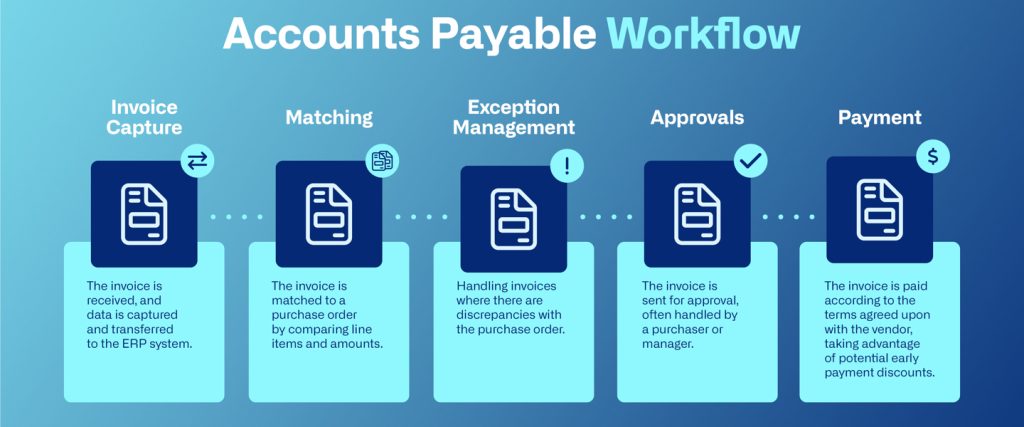
Effectively managing accounts payable (AP) and accounts receivable (AR) is crucial for maintaining a healthy cash flow and ensuring the financial stability of your business. These processes involve tracking and managing money owed to you (AR) and money you owe (AP), both of which directly impact your company’s liquidity and profitability. Tips for Efficiently Managing Accounts Payable and Receivable
📌 Understanding Accounts Payable and Receivable
- Accounts Payable (AP): Money your business owes to suppliers for goods or services received.
- Accounts Receivable (AR): Money owed to your business by customers for goods or services provided.
Proper management of both AP and AR ensures timely payments, maintains supplier and customer relationships, and supports overall business operations.
🧾 1. Standardize and Automate Processes
Implementing standardized procedures for invoicing, payment approvals, and collections can reduce errors and improve efficiency. Automation tools can streamline these processes, sending reminders for overdue invoices and generating reports for better tracking. This approach minimizes manual errors and accelerates cash flow.
📊 2. Monitor Key Performance Indicators (KPIs)
Tracking KPIs such as Days Sales Outstanding (DSO) for AR and Days Payable Outstanding (DPO) for AP helps assess the efficiency of your credit and payment policies. A lower DSO indicates quicker collection of receivables, while a higher DPO suggests effective management of payables.
📅 3. Establish Clear Credit Policies
Define credit terms, including payment deadlines and interest on overdue accounts, to set expectations with customers. Clear policies help mitigate risks associated with late payments and bad debts.
💳 4. Negotiate Favorable Payment Terms with Suppliers
Engage in discussions with suppliers to secure extended payment terms or discounts for early payments. This can enhance your cash flow and strengthen supplier relationships.
📈 5. Implement Regular Reconciliation
Regularly reconcile your AP and AR records with bank statements to identify discrepancies promptly. This practice ensures the accuracy of your financial data and helps maintain trust with stakeholders.
📧 6. Communicate Effectively with Customers and Suppliers
Maintain open lines of communication regarding payment terms, overdue invoices, and any issues that may arise. Proactive communication can prevent misunderstandings and foster positive relationships.
💼 7. Train Your Team
Ensure that your accounting team is well-trained in AP and AR procedures, including the use of accounting software and understanding of financial policies. A knowledgeable team can handle tasks efficiently and reduce the risk of errors.
🧾 8. Utilize Accounting Software
Adopt accounting software that integrates AP and AR functions, allowing for real-time tracking, automated invoicing, and financial reporting. This integration enhances accuracy and saves time.
🔄 9. Review and Adjust Policies Regularly
Periodically assess your AP and AR policies to ensure they align with current business conditions and market trends. Adjusting policies as needed can improve cash flow and operational efficiency.
🧾 10. Implement a Dispute Resolution Process
Establish a clear process for handling disputes related to invoices or payments. Addressing issues promptly can prevent delays in collections and maintain good customer relationships.
🧾 Conclusion
Efficient management of accounts payable and receivable is vital for maintaining a healthy cash flow and ensuring the financial stability of your business. By implementing standardized processes, monitoring key performance indicators, establishing clear credit policies, and utilizing accounting software, you can streamline these functions and support the growth and success of your business. Tips for Efficiently Managing Accounts Payable and Receivable