Running a successful business requires more than just checking your bank balance or waiting for year-end financial statements. To make informed decisions, business owners need accurate, timely, and relevant financial information. This is where management accounts come in.
Management accounts provide regular financial insights that help you understand how your business is performing right now, not months later. In this article, we’ll explain what management accounts are, what they include, and why every business—regardless of size—needs them.
What Are Management Accounts?
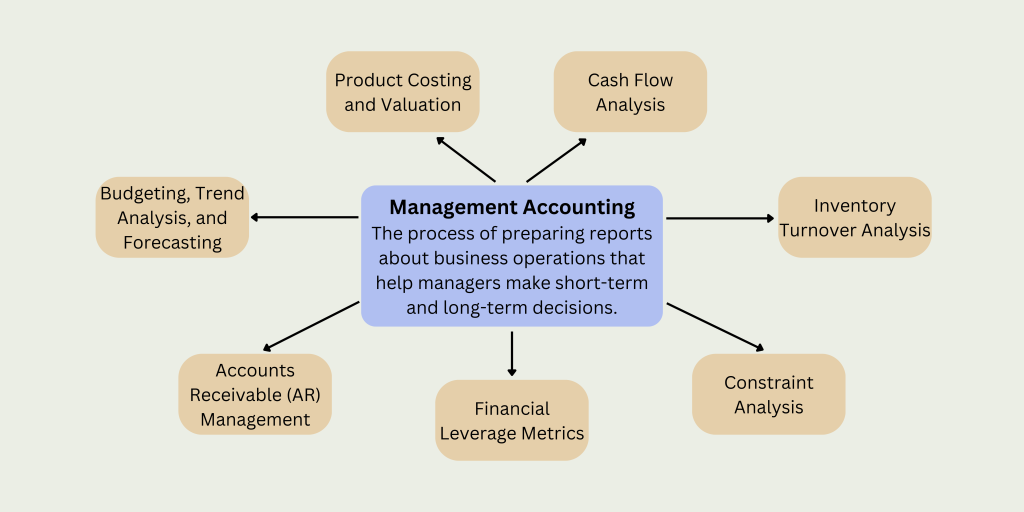
Management accounts are internal financial reports prepared for business owners and managers to help them monitor performance and make better decisions. Unlike statutory or financial accounts, management accounts are not produced for tax authorities or external stakeholders. Instead, they are designed specifically for internal use.
They are usually prepared monthly or quarterly and focus on the key financial metrics that matter most to your business. Management accounts are flexible, customisable, and tailored to your specific goals.
In simple terms, management accounts answer questions like:
- Is my business profitable?
- Where am I making or losing money?
- Can I afford to hire staff or invest in growth?
- How does this month compare to last month or last year?
What Do Management Accounts Typically Include?
While management accounts can be customised, most include the following core components:
1. Profit and Loss Statement (P&L)
The profit and loss statement shows your income, expenses, and profit over a specific period. It helps you understand:
- Revenue trends
- Cost control
- Gross and net profit margins
This is often the most important part of management accounts, as it shows whether your business is actually making money.
2. Balance Sheet
The balance sheet provides a snapshot of your business’s financial position at a point in time. It includes:
- Assets (what the business owns)
- Liabilities (what the business owes)
- Equity (the owner’s interest)
This report helps you assess the overall financial health and stability of your business.
3. Cash Flow Report
Cash flow is critical for business survival. A cash flow report shows:
- Cash coming into the business
- Cash going out
- Your available cash balance
Many profitable businesses fail because of poor cash flow management. Management accounts help prevent this by highlighting cash issues early.
4. Key Performance Indicators (KPIs)
KPIs are metrics that measure how well your business is performing. Examples include:
- Gross profit margin
- Operating costs as a percentage of revenue
- Debtor days and creditor days
- Monthly recurring revenue (for subscription businesses)
KPIs turn raw numbers into actionable insights.
Management Accounts vs Financial Accounts: What’s the Difference?
Many business owners confuse management accounts with financial accounts, but they serve very different purposes.
Financial accounts:
- Are prepared annually
- Are required for tax and compliance
- Follow strict accounting standards
- Look backwards
Management accounts:
- Are prepared monthly or quarterly
- Are optional but highly valuable
- Are flexible and business-specific
- Focus on current performance and future decisions
In short, financial accounts are about compliance, while management accounts are about control and strategy.
Why Are Management Accounts Important for Businesses?
1. Better Decision-Making
Management accounts give you the data you need to make informed decisions. Whether you’re considering hiring staff, increasing prices, or investing in new equipment, management accounts show you what your business can realistically afford.
Without management accounts, many decisions are based on guesswork rather than facts.
2. Improved Cash Flow Management
Cash flow problems are one of the main reasons businesses fail. Management accounts help you:
- Spot cash shortages early
- Plan for upcoming expenses
- Avoid unexpected financial stress
By reviewing cash flow regularly, you stay in control instead of reacting to problems too late.
3. Early Identification of Problems
Regular management accounts highlight issues before they become serious. For example:
- Rising costs
- Falling profit margins
- Declining sales in specific areas
Early visibility allows you to take corrective action quickly.
4. Clear Performance Tracking
Management accounts allow you to compare:
- Month-on-month performance
- Year-on-year growth
- Actual results vs budgets or forecasts
This helps you understand what’s working and what needs improvement.
Who Should Use Management Accounts?
Management accounts are not just for large corporations. They are valuable for:
- Small businesses wanting better financial control
- Startups tracking burn rate and growth
- Growing businesses planning expansion
- Established companies aiming to improve profitability
If you make decisions that affect money—which every business does—management accounts are essential.
How Often Should Management Accounts Be Prepared?
Most businesses prepare management accounts monthly, as this provides the right balance between accuracy and timeliness. Some smaller businesses may start with quarterly accounts, but monthly reporting is recommended once the business begins to grow.
The key is consistency. Regular reporting creates clarity and confidence in your numbers.
Can You Create Management Accounts Yourself?
Yes, many businesses prepare management accounts using:
- Accounting software
- Excel or spreadsheets
- Bookkeepers or accountants
However, accuracy is crucial. Poor-quality management accounts can be misleading and result in bad decisions. Many business owners choose to work with a professional to ensure their management accounts are reliable and meaningful.
Final Thoughts: Why Every Business Needs Management Accounts
Management accounts are one of the most powerful tools a business owner can use. They provide clarity, control, and confidence, allowing you to run your business proactively rather than reactively.
By understanding what management accounts are and why they matter, you put yourself in a stronger position to:
- Improve profitability
- Manage cash flow
- Plan for growth
- Make smarter decisions
Whether you’re just starting out or running an established business, management accounts are not a luxury—they are a necessity.