Understanding what counts as a business expense is essential for every business owner, freelancer, and entrepreneur. Proper expense tracking helps you maintain accurate bookkeeping records, manage cash flow, prepare for tax time, and understand the true cost of running your business. What Counts as a Business Expense? A Beginner’s Guide
Many beginners struggle to identify which purchases qualify as business expenses and which costs should remain personal. Recording expenses incorrectly can lead to inaccurate financial reports and missed opportunities to claim eligible deductions.
This beginner’s guide explains what a business expense is, the different types of expenses, common examples, and how to manage them effectively.
What Is a Business Expense?
A business expense is any cost that is necessary and directly related to operating a business. These expenses are incurred while producing income, managing daily operations, or supporting business growth.
Examples of common business expenses include office rent, software subscriptions, advertising costs, employee wages, professional services, and business equipment.
For an expense to qualify as a business expense, it generally needs to be:
- Related to your business activities
- Necessary for operating your business
- Properly documented with receipts or records
- Recorded accurately in your bookkeeping system
Keeping detailed records of business expenses allows you to understand where your money goes and helps maintain financial accuracy.
Why Tracking Business Expenses Is Important
Accurate expense tracking is one of the foundations of effective bookkeeping. Without proper records, business owners may struggle to understand profitability, prepare financial reports, or manage budgets.
Tracking business expenses helps you:
- Monitor business spending
- Improve cash flow management
- Identify unnecessary costs
- Create accurate financial statements
- Prepare for tax reporting
- Make better financial decisions
A clear record of expenses provides valuable insight into how your business is performing.
Common Types of Business Expenses
Business expenses can vary depending on the industry and size of your company. However, most businesses have several common expense categories.
Operating Expenses
Operating expenses are the everyday costs required to keep your business running. These are usually recurring expenses that support normal business activities.
Examples include:
- Office rent
- Electricity and internet bills
- Office supplies
- Business insurance
- Cleaning services
- Equipment maintenance
These expenses are necessary for maintaining daily operations.
Marketing and Advertising Expenses
Marketing expenses include costs related to promoting your products or services and attracting customers.
Examples include:
- Website development
- Search engine optimization services
- Social media advertising
- Online advertisements
- Business cards and promotional materials
- Email marketing software
Investing in marketing helps businesses increase visibility and generate sales.
Professional Services Expenses
Many businesses rely on outside experts to support their operations. These professional services are often considered legitimate business expenses when they are directly related to business activities.
Examples include:
- Accounting services
- Bookkeeping services
- Legal advice
- Business consulting
- Financial planning services
Professional support can help businesses operate efficiently and remain compliant. What Counts as a Business Expense? A Beginner’s Guide
Technology and Software Expenses
Modern businesses often depend on technology to manage operations, communicate with customers, and improve productivity.
Common technology expenses include:
- Accounting software
- Customer relationship management systems
- Website hosting
- Cloud storage subscriptions
- Business communication tools
- Computer equipment
Keeping track of technology costs helps businesses understand their investment in digital tools.
Travel and Transportation Expenses
Business-related travel expenses may qualify as business expenses when they are necessary for conducting business activities.
Examples include:
- Business flights
- Accommodation for work trips
- Transportation costs
- Vehicle expenses related to business use
- Parking fees
- Business mileage
It is important to maintain records showing the purpose of each business trip.
Employee and Contractor Expenses
Businesses that hire employees or contractors may have several related expenses.
Examples include:
- Employee wages
- Payroll costs
- Training expenses
- Contractor payments
- Employee benefits
- Workplace equipment
Properly recording these expenses helps businesses manage labor costs and maintain accurate financial reports.
What Does Not Count as a Business Expense?
Not every purchase made by a business owner qualifies as a business expense. Personal costs should not be recorded as business expenses unless there is a clear business purpose.
Examples of expenses that usually do not qualify include:
- Personal shopping
- Personal entertainment
- Private travel costs
- Personal household bills
- Non-business subscriptions
Mixing personal and business expenses can create bookkeeping problems and make financial records inaccurate.
How to Determine If an Expense Is Business Related
Before recording an expense, ask yourself the following questions:
Is the Expense Connected to My Business?
The expense should support your business operations, customers, employees, or income generation.
Is the Expense Necessary?
A business expense should have a clear purpose related to running or growing your company.
Do I Have Supporting Documentation?
Keep invoices, receipts, and payment records to prove the expense occurred.
Would Another Person Understand the Business Purpose?
Clear descriptions make bookkeeping easier and help explain expenses during financial reviews.
How to Record Business Expenses Correctly
Recording expenses correctly is an important part of maintaining good bookkeeping practices.
Follow these steps:
- Keep all receipts and invoices.
- Record expenses regularly instead of waiting until the end of the year.
- Categorize each expense correctly.
- Store digital copies of important documents.
- Review expense records regularly.
Using bookkeeping software can make expense tracking faster and reduce manual errors.
Business Expense Categories Every Beginner Should Know
Creating clear expense categories makes bookkeeping easier and improves financial reporting.
Common categories include:
- Rent and utilities
- Advertising and marketing
- Office expenses
- Software and subscriptions
- Travel expenses
- Professional fees
- Insurance
- Payroll expenses
- Equipment purchases
The exact categories you use may depend on your business structure and industry.
Tips for Managing Business Expenses Effectively
Good expense management requires consistency and organization. Follow these tips to keep your records accurate:
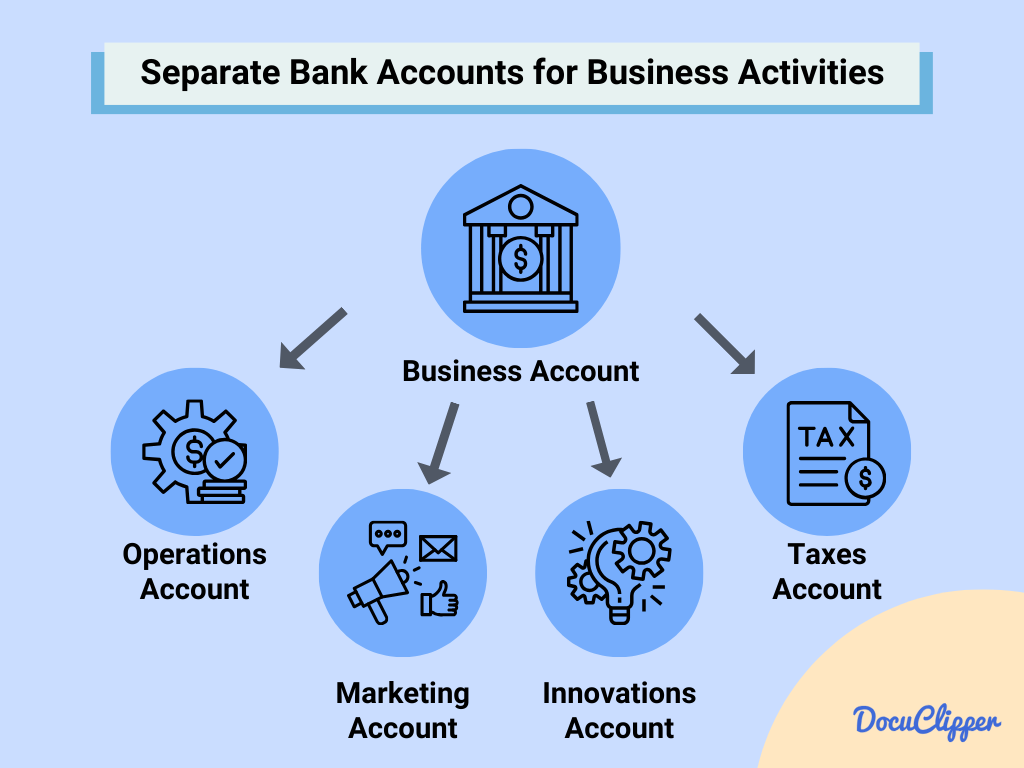
- Separate personal and business bank accounts
- Review expenses every month
- Use digital receipt storage
- Create a bookkeeping routine
- Avoid unnecessary business spending
- Track recurring subscriptions
- Reconcile expenses with bank statements
A reliable expense management system makes financial decisions easier and reduces bookkeeping stress.
Final Thoughts: Understanding Business Expenses Made Simple
Knowing what counts as a business expense is an important skill for every business owner. Proper expense tracking improves bookkeeping accuracy, helps manage cash flow, and provides a clearer picture of your business performance.
By understanding expense categories, keeping detailed records, and separating personal and business costs, you can create a strong financial foundation for your business.
Whether you manage your own bookkeeping or work with a professional, learning how business expenses work will help you make smarter financial decisions and support long-term growth. What Counts as a Business Expense? A Beginner’s Guide