Starting bookkeeping can feel intimidating if you’re new to managing finances, but it doesn’t have to be complicated. With the right tools, a few practical tips, and simple templates, anyone can build an effective bookkeeping system. Whether you’re a small business owner, freelancer, or aspiring bookkeeper, understanding what you need to start bookkeeping is the first step toward financial clarity and control. What You Need to Start Bookkeeping (Tools, Tips, and Templates)
This guide covers the essential tools, practical tips, and helpful templates you need to start bookkeeping confidently and correctly.
Why Bookkeeping Is Important from the Start
Bookkeeping is the process of recording, organizing, and maintaining financial transactions. Starting bookkeeping early helps you stay organized, avoid costly mistakes, and make informed financial decisions.
Good bookkeeping allows you to:
- Track income and expenses accurately
- Monitor cash flow
- Prepare for tax season with ease
- Understand business performance
- Stay compliant with financial regulations
Without a proper bookkeeping setup, financial data can quickly become disorganized and unreliable. That’s why having the right bookkeeping tools and systems from the beginning is so important.
Essential Tools You Need to Start Bookkeeping
One of the first questions beginners ask is what tools are needed to start bookkeeping. The good news is that you don’t need anything overly complex—just the right basics.
1. A Dedicated Business Bank Account
Separating personal and business finances is essential. A dedicated business bank account makes bookkeeping easier, cleaner, and more accurate. It allows you to track income and expenses clearly without sorting through personal transactions.
2. Bookkeeping Software or Spreadsheets
You can start bookkeeping manually or digitally, depending on your needs.
Bookkeeping software options like QuickBooks, Xero, or Wave help automate:
- Transaction tracking
- Expense categorization
- Financial reporting
For beginners, bookkeeping software is often the best choice because it reduces errors and saves time.
If you prefer a low-cost option, spreadsheets can also work when starting out, though they require more manual effort and organization.
3. Receipt and Document Storage System
Keeping financial documents organized is a critical bookkeeping tool. This includes:
- Receipts
- Invoices
- Bank statements
- Credit card statements
Digital storage systems, such as cloud folders or receipt-scanning apps, make it easy to store and retrieve documents when needed. What You Need to Start Bookkeeping (Tools, Tips, and Templates)
Key Tips for Starting Bookkeeping Successfully
Having the right tools is important, but knowing how to use them effectively makes all the difference. These bookkeeping tips help beginners avoid common mistakes and build good habits early.
Tip 1: Choose the Right Bookkeeping Method
Before recording transactions, decide which bookkeeping method you’ll use.
- Cash basis bookkeeping records income and expenses when money changes hands.
- Accrual bookkeeping records income and expenses when they are earned or incurred.
Most beginners and small businesses start with cash basis bookkeeping because it’s simpler and easier to manage.
Tip 2: Record Transactions Consistently
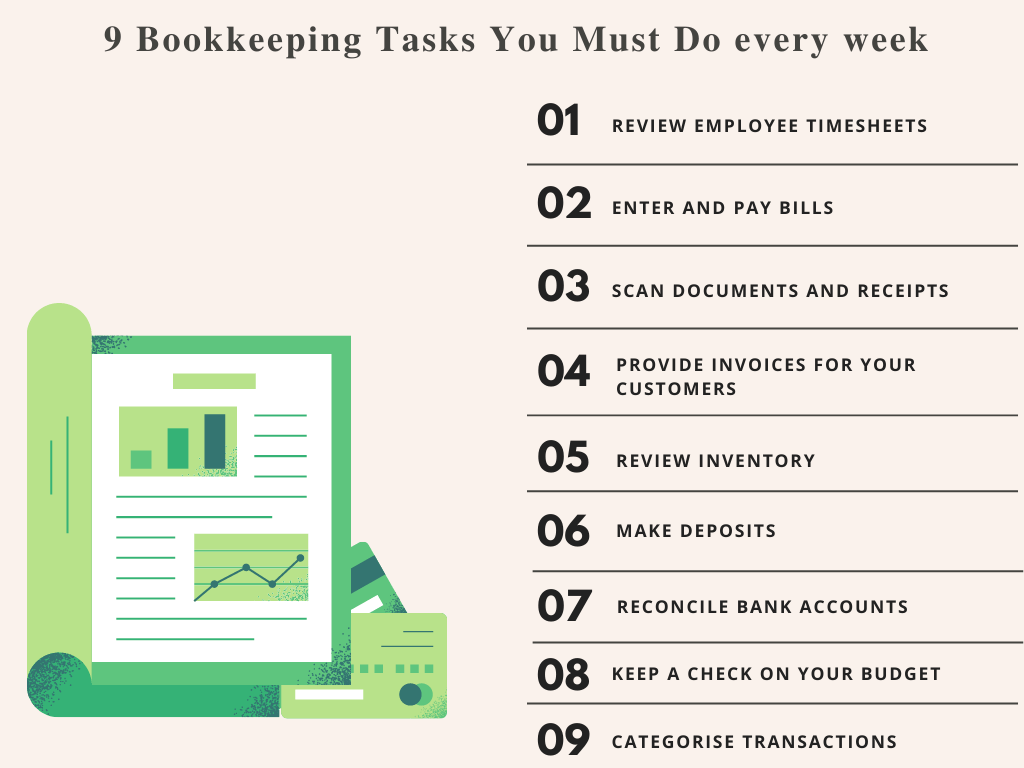
Consistency is key when starting bookkeeping. Make it a habit to record transactions daily or weekly. This prevents backlogs and ensures your records stay accurate.
Transactions to record include:
- Sales and income
- Business expenses
- Bills and payments
- Customer invoices
Regular updates make bookkeeping less overwhelming and more reliable.
Understanding the Chart of Accounts
A chart of accounts is a structured list of categories used to classify financial transactions. Setting this up correctly is essential when starting bookkeeping.
Common categories include:
- Income
- Cost of Goods Sold
- Operating Expenses
- Assets
- Liabilities
- Owner’s Equity
Most bookkeeping software provides a default chart of accounts, which you can customize to fit your business. A well-organized chart of accounts improves reporting accuracy and financial insights.
Bookkeeping Templates Every Beginner Should Use
Templates are powerful tools when you’re learning what you need to start bookkeeping. They save time, reduce errors, and provide structure.
1. Income and Expense Tracker Template
This template helps you record:
- Date of transaction
- Description
- Category
- Amount
An income and expense tracker is the foundation of bookkeeping and helps you monitor cash flow.
2. Invoice Template
An invoice template ensures consistency when billing clients. It should include:
- Business details
- Client information
- Invoice number
- Payment terms
- Total amount due
Using standardized invoices improves professionalism and payment tracking.
3. Receipt Log Template
A receipt log helps you track expenses and match them to receipts. This is especially useful during tax season or audits.
4. Monthly Reconciliation Checklist
A reconciliation checklist ensures you compare your records with bank statements each month. This template helps catch errors and missing transactions early.
Organizing and Managing Financial Documents
Document organization is often overlooked but is a vital part of bookkeeping. Keeping records organized supports accuracy and compliance.
Best practices include:
- Scanning paper receipts
- Storing documents in labeled folders
- Keeping records for the required retention period
Digital organization makes bookkeeping more efficient and reduces the risk of lost documents.
Reviewing and Using Financial Reports
One major benefit of starting bookkeeping properly is access to financial reports that help you understand your business.
Key reports include:
- Profit and Loss Statement – shows income and expenses
- Balance Sheet – shows assets, liabilities, and equity
- Cash Flow Statement – shows how money moves in and out
Reviewing these reports regularly helps you track performance, control costs, and plan for growth.
Common Beginner Bookkeeping Mistakes to Avoid
When learning what you need to start bookkeeping, it’s helpful to know what not to do.
Common mistakes include:
- Mixing personal and business finances
- Not recording transactions regularly
- Skipping account reconciliations
- Poor document organization
Avoiding these mistakes from the beginning will save time and reduce financial stress later.
Final Thoughts: Start Bookkeeping with the Right Tools and Systems
Starting bookkeeping doesn’t require advanced accounting knowledge—just the right tools, smart habits, and simple templates. By understanding what you need to start bookkeeping, you can build a system that keeps your finances organized and your business on track.
To recap, you need:
- A separate business bank account
- Reliable bookkeeping tools or software
- Clear bookkeeping tips and routines
- Practical templates for tracking and organization
With a solid foundation in place, bookkeeping becomes less of a chore and more of a powerful tool for financial clarity and confidence. Start simple, stay consistent, and let your bookkeeping system grow with your business. What You Need to Start Bookkeeping (Tools, Tips, and Templates)